







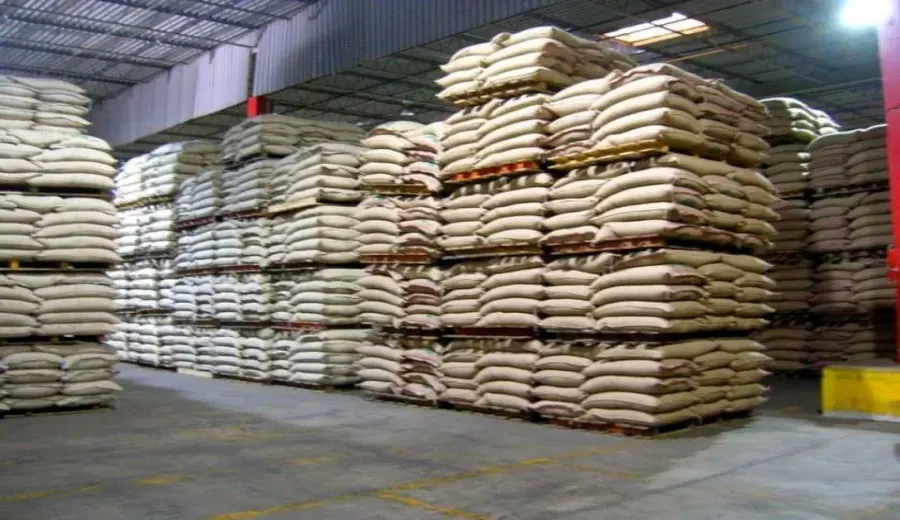
Introduction:Uganda’s coffee exports in March 2024 saw a decline in both volume and revenue, primarily due to heavy rains brought by the El Niño phenomenon, which significantly reduced harvests during the main production season. However, annual exports still show an upward trend, and the price of Robusta has risen due to supply shortages from Vietnam, helping Uganda stabilize its earnings. This article delves into the reasons behind the export data and explores the strategic significance of targeting the Chinese market, helping readers grasp global coffee supply-demand dynamics and potential investment directions.
The latest monthly data released by the Uganda Coffee Development Authority (UCDA) shows that in March 2024, the country exported 329,686 bags (each 60 kg) of coffee, generating total revenue of approximately 246.8 billion Ugandan shillings (about 64.74 million USD). Compared to February, the export volume dropped markedly, and year-on-year, the quantity fell by 32.4%, with revenue decreasing by 9.45%.
This sharp drop in exports was mainly due to the heavy rainfall triggered by the El Niño phenomenon. Uganda’s traditional coffee harvesting season generally runs from October each year to March of the following year, and during this period, persistent heavy rains caused a significant amount of coffee fruit to drop prematurely, directly impacting overall production. In addition, rising international coffee prices have also led to increased coffee theft in some areas, adding extra pressure on production region management.
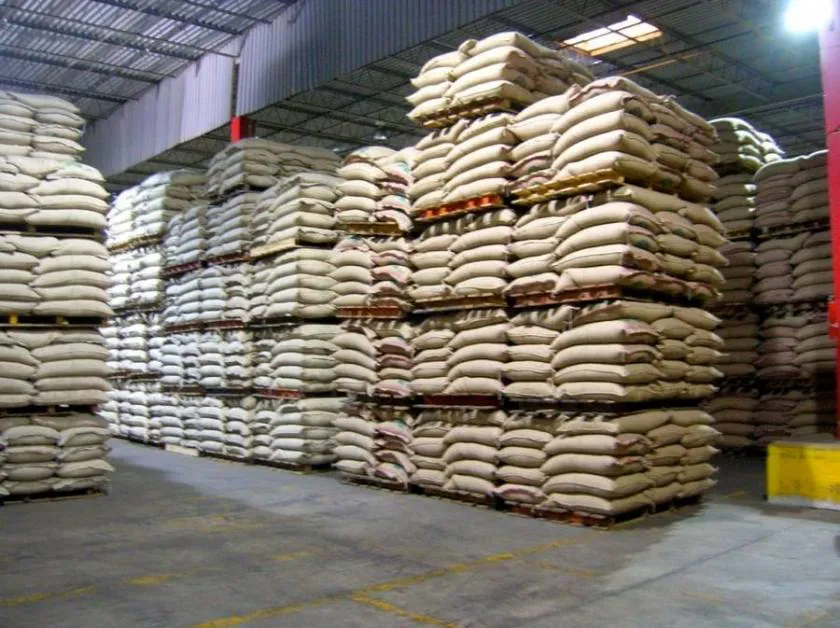
Specifically, among the coffee exported in March, Robusta accounted for 244,975 bags, generating revenue of 460.1 million USD; Arabica amounted to 84,711 bags, with revenue of about 18.72 million USD. Compared to the same month last year, although Robusta exports decreased by 33%, revenue only dropped slightly by 0.24%; Arabica saw both volume and revenue decline by 30% and 26% respectively, showing differing impacts of market demand and price fluctuations on different varieties.
Despite the poor performance in March alone, looking at the entire coffee year (April 2023 to March 2024), Uganda’s total exports reached 5.9 million bags, a 2.42% increase from the previous year’s 5.76 million bags, with total revenue of about 993.6 million USD, marking a year-on-year growth rate as high as 16.91%. Currently, the southwestern production regions have begun a new round of harvesting, and UCDA estimates that April exports could rebound to around 400,000 bags.
Notably, the average export price of Robusta in March rose to $3.27 per kilogram, up from $2.44 in the same period of 2023, an increase of $0.83. Among them, the price of washed Robusta even reached $4.23 per kilogram, making it one of the higher-priced items in the market. This price surge is mainly due to supply constraints in major producing country Vietnam caused by unfavorable weather, coupled with previous high prices leading some farmers to withhold sales or even default, further driving up market prices. Uganda, with its ample Robusta supply, has been able to maintain stable earnings amid these market changes.
In terms of market distribution, Italy remains Uganda’s largest buyer of coffee, accounting for 38.08% of total imports, followed by India (12.29%) and Germany (10.5%). The Italian market has a strong demand for Robusta, which has also enabled Uganda’s Robusta offerings to consistently achieve strong export performance.
To further enhance industry competitiveness and meet international standards, the Uganda Coffee Development Authority has applied to the government for 32.5 billion shillings in funding to establish a comprehensive coffee traceability system. This move aims to ensure that the country’s exported coffee meets the requirements of the European Union’s Deforestation-Free Regulation (EUDR), helping to maintain market access and pricing advantages. In addition, the government also plans to invest in agricultural equipment to increase the level of mechanization in the production process, further improving yield per unit area and overall efficiency, taking advantage of the current high coffee price period to generate more foreign exchange earnings for the country.
Uganda’s president has also publicly stated that efforts will be made to significantly expand coffee planting areas and increase yields, with the goal of achieving a national annual coffee production of 20 million bags by 2025. At the same time, given that China’s coffee consumption is growing at an annual rate of 15% to 20%, Uganda has also identified China as an important potential export market, hoping to further expand its sales territory through market development.
For coffee enthusiasts who enjoy exploring flavors from different regions, Uganda’s Robusta and Arabica each have their unique charm. Robusta typically features rich notes of nuts and chocolate, appealing to those who prefer a bold taste; whereas Arabica offers more fruity acidity and floral aromas, suiting consumers who favor a fresher profile. To gain a deeper understanding of Uganda coffee’s actual performance, consider trying products offered by specialty roasters to experience the diverse flavor layers of African coffee.
The above content is compiled by CoffeeHunters, a coffee news website.


