







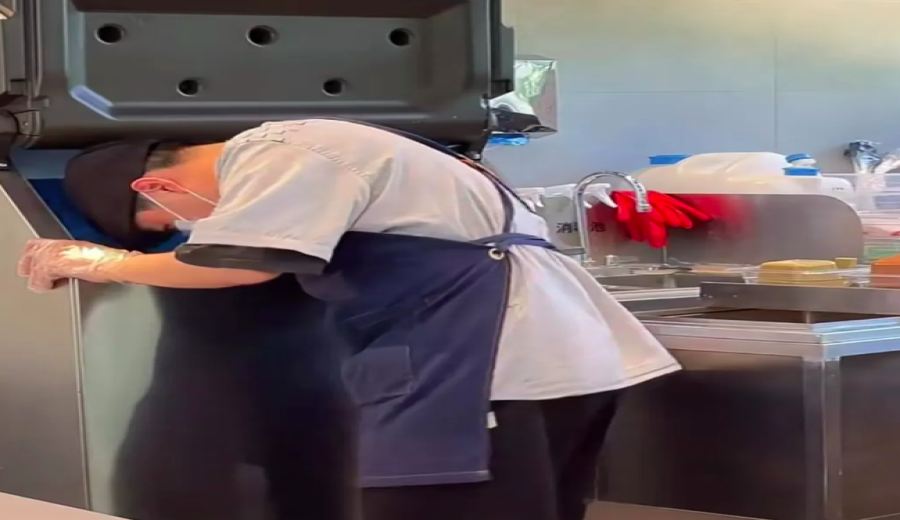
Introduction:A Luckin Coffee outlet in Huanggang, Hubei Province recently received a consumer complaint after black, unidentified particles were found in the ice of a cold drink ordered by the customer. This has drawn attention to the ice-making processes and overall hygiene management practices of chain coffee shops. This article provides a detailed overview of the incident, including the official responses and expert analysis, and explores the potential risks in the ice-making procedures of coffee shops as well as key food safety concerns. It aims to help consumers develop a better understanding while offering practical insights for the industry.
Recently, a Luckin Coffee store in Qichun County, Huanggang, Hubei, was reported by a customer who claimed to have found black, dot-like foreign objects in the ice of a cold drink purchased. The issue quickly sparked online discussions and even trended on social media platforms. According to reports, the customer and friends bought five drinks that day. One of them, consumed by a friend who doesn’t use straws, was sipped directly from the cup—leading to the discovery of multiple visible black particles in the ice at the bottom of the cup.
The customer suspected that the black substances might be mold growing in the ice and mentioned experiencing multiple episodes of vomiting after drinking the same beverage the previous day. Upon receiving the complaint, the store staff immediately processed a full refund for the customer, and the incident was also reported by the consumer to the local market supervision authorities.
After the incident came to light, many netizens expressed shock, believing that a chain coffee brand known for its standardized processes could encounter such food safety issues. Some customers even began to question the safety of products they had recently purchased. Meanwhile, many others who had not yet bought anything decided to postpone their purchases as a result.
Images circulated from the scene show that the ice in the affected drink did contain several black substances sealed within the ice itself, which appeared similar to mold spots. Although many initially associated the issue with "moldy ice," medical professionals pointed out that ice is formed from pure condensed water and theoretically does not provide conditions suitable for mold growth. Therefore, these black particles are more likely to be external contaminants rather than mold growing within the ice itself.
Professional gastroenterologists explained that if the water used in the ice-making process is contaminated, or if secondary contamination occurs during handling—such as through inadequate cleaning of the ice machine or substandard water quality—harmful microorganisms that are invisible to the naked eye may be present in the ice. This could lead to discomfort after consumption, such as abdominal pain, diarrhea, or even vomiting.
In response to the incident, local market supervision authorities promptly sent personnel to inspect the involved outlet after receiving the complaint. It was reported that inspectors did not find any obvious signs of mold or contamination on the ice machine, in the freezer, or in the surrounding environment at the time, and initially assessed the site’s hygiene condition as “appearing clean and sanitary.” However, the specific source and formation process of the black particles remain under further investigation.
Luckin Coffee’s official team responded swiftly after the incident gained attention, stating that they take the customer feedback very seriously. They have immediately launched an internal investigation and pledged to thoroughly examine the relevant procedures and operational standards. As of now, the brand has not yet released any specific investigation results or official statements.
This incident has once again drawn public attention to the management of ice-making processes in chain coffee shops. Generally speaking, professional coffee shops should regularly perform deep cleaning and disinfection of their ice machines and use filtered drinking water to make ice, thereby reducing the risk of contamination. In addition, factors such as the personal hygiene of the staff, cleanliness of uniforms, and maintenance of work surfaces also play important roles in ice hygiene. When selecting drinks—especially cold ones—consumers may also consider observing the overall cleanliness of the shop and whether the service staff follow proper hygiene practices.
The above content is compiled by CoffeeHunters, a coffee news website.


