







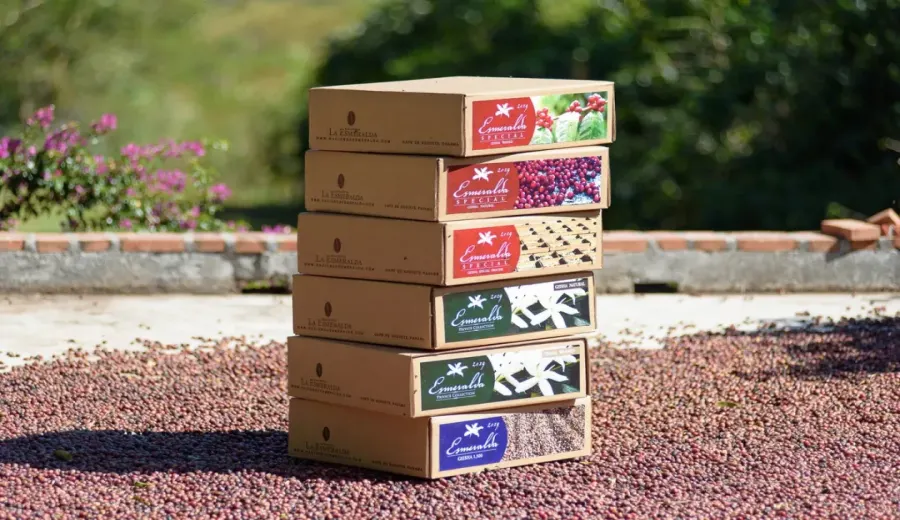
Introduction:Geisha coffee is renowned for its unique floral aroma and complex layers, but to fully showcase its potential, mastering the right roasting and pour over techniques is essential. This article delves into the origins of the Geisha variety, its physical characteristics, and the challenges of cultivation, explaining why medium-light roasting better highlights its flavors. It also provides practical and effective pour over parameters, including water temperature, grind size, brew ratio, and a three-stage pouring method, helping you consistently extract a high-quality Geisha coffee with pronounced floral notes and a balanced sweet-and-acidic profile.
In the world of specialty coffee, Geisha is undoubtedly one of the most celebrated star varieties. Originating from Ethiopia, this coffee plant variety has gained worldwide fame since winning the 2004 Best of Panama (BOP) competition, thanks to its distinctive floral aroma, bright acidity, and rich complexity. Since then, it has become the dream coffee for enthusiasts. However, Geisha is not only expensive, but also challenging to cultivate with limited yield, requiring extra care in roasting and brewing to reveal its true flavor potential.
The reason Geisha is hailed as a “luxury item” in the coffee world lies not only in its exceptional flavor profile, but also in the high barriers to its cultivation. This coffee tree demands very specific conditions in terms of altitude, climate, and soil, typically thriving only in high-altitude environments with persistent cloud cover and significant day-night temperature variations. As a result, Geisha production is limited, and its unique flavor traits contribute to its consistently high market price. Nevertheless, with the correct roasting and brewing methods, one can fully experience its outstanding flavors.
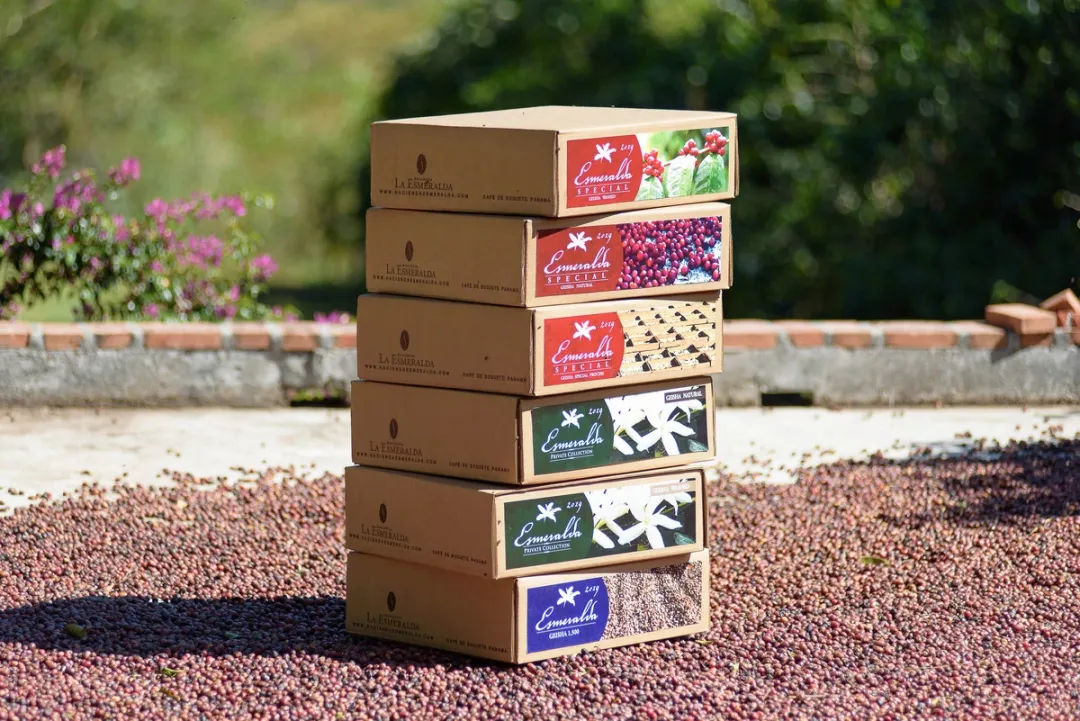
Visually, Geisha green beans are noticeably larger and more elongated than regular coffee beans, slightly pointed at both ends, and generally exhibit an elegant oval shape. This unique bean shape is not only easily recognizable but also suggests a higher bean density. Due to their dense and hard nature, using too fast a roasting profile can easily lead to underdevelopment, where the outside appears roasted while the inside remains raw. Therefore, roasters often extend the roasting time to ensure heat penetrates evenly to the core, while primarily employing medium-light roasting. This approach preserves Geisha’s bright acidity and accentuates its signature floral qualities.
During actual roasting, it is recommended to allow about 1 minute and 20 seconds after the start of first crack before dropping the beans. This roasting curve helps develop Geisha’s delicate floral and fruity notes while avoiding over-roasting that could lead to flavor loss. However, the exact timing may need fine-tuning based on the beans’ condition to ensure optimal roasting results.
So, how can you brew a cup of Geisha coffee with standout flavors at home? Taking the commonly available Green Label Geisha as an example, it is recommended to use water at 92°C for pour over. This temperature effectively highlights Geisha’s floral and citrus notes while avoiding over-extraction caused by excessively high temperatures. For grind size, a slightly coarser setting is advised—such as around 78% passing through a #20 sieve. This grind coarseness reduces the risk of fine particles causing channeling while ensuring stable water flow.

Given Geisha’s high density and slower water absorption rate, it is recommended to reduce the amount of water during the blooming stage to avoid excessive bypass water. Use about 30ml of hot water for a 30-second bloom, evenly wetting the coffee grounds from the center outward. After blooming, proceed to the first pour, pouring approximately 120ml of water in a circular motion from the center outward, maintaining a steady flow rate. This helps extend the extraction time and allows for a more complete flavor development.
When the water level drops to the point where the bottom of the coffee bed becomes visible (around 1 minute and 15–20 seconds), proceed to the second pour. At this stage, pour about 95ml of water, switching to smaller circular motions the size of a coin, focusing on extracting the bottom layer of coffee grounds. This three-stage pouring method effectively balances overall extraction, preventing over-concentration in any single area, thereby highlighting Geisha’s rich layered profile.
After completing all pours, wait for the coffee to fully drip through. The entire extraction process typically takes about 2 minutes and 30 seconds to 3 minutes. The resulting Geisha coffee usually exhibits pronounced floral notes, such as white floral or jasmine aromas, accompanied by gentle citrus acidity and the sweetness of honeydew. The finish leaves a silky honey-like sensation and a refreshing green tea-like aftertaste, delivering an overall very balanced and layered cup.
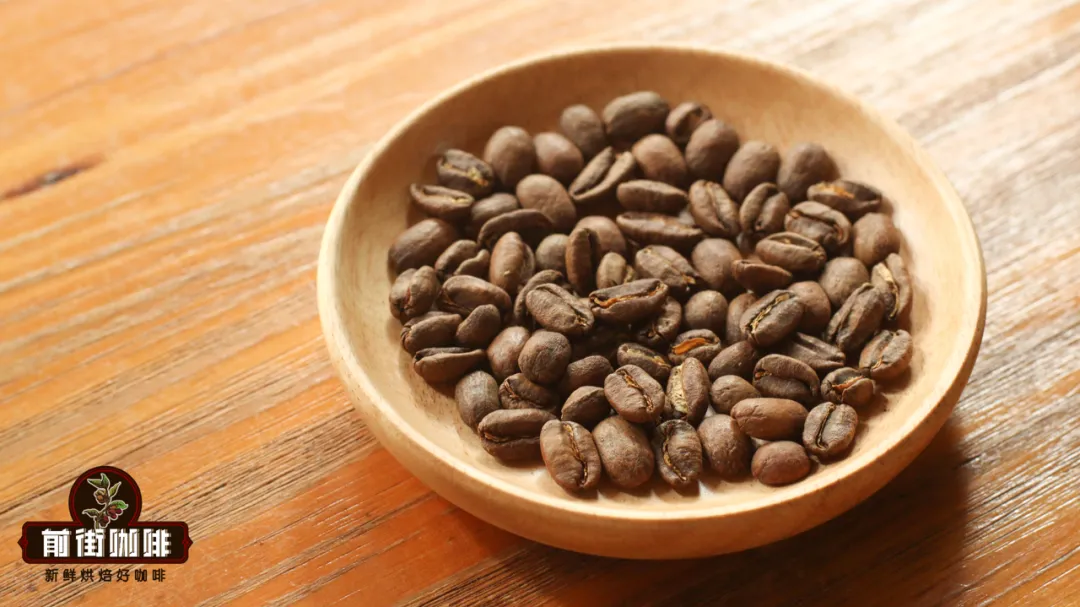
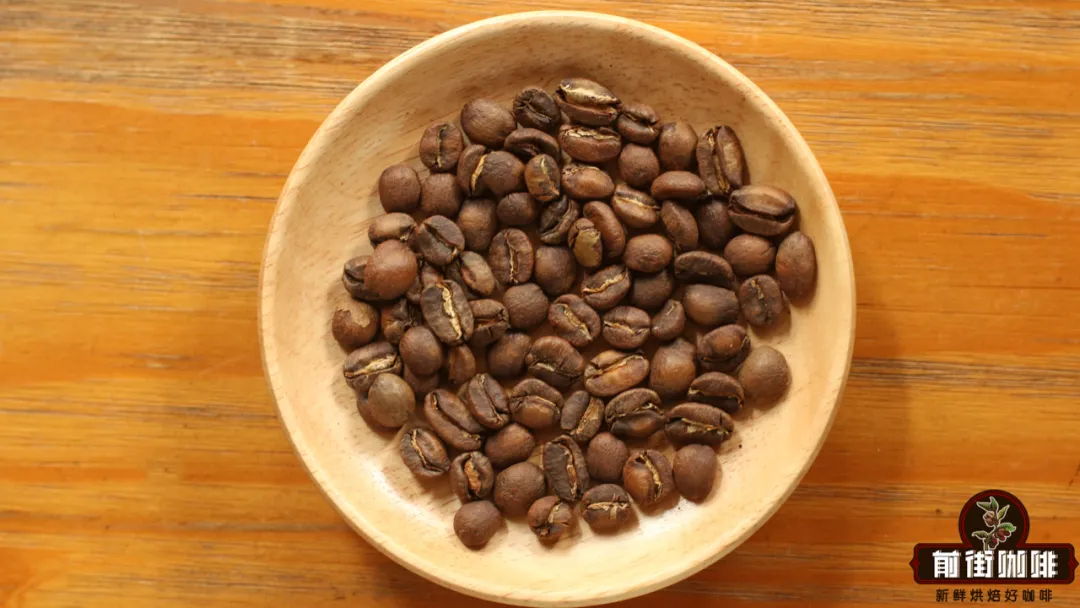
In summary, the charm of Geisha coffee lies in its delicate and multifaceted flavor profile, but fully expressing these characteristics requires precise control at every stage from roasting to brewing. Whether it’s the moderate water temperature, slightly coarse grind, or carefully designed three-stage pouring, each element is aimed at presenting this high-value coffee in its most captivating flavor form. Why not try it yourself and embark on the unique coffee journey that Geisha offers.
The above content is compiled by CoffeeHunters, a coffee news website.


