







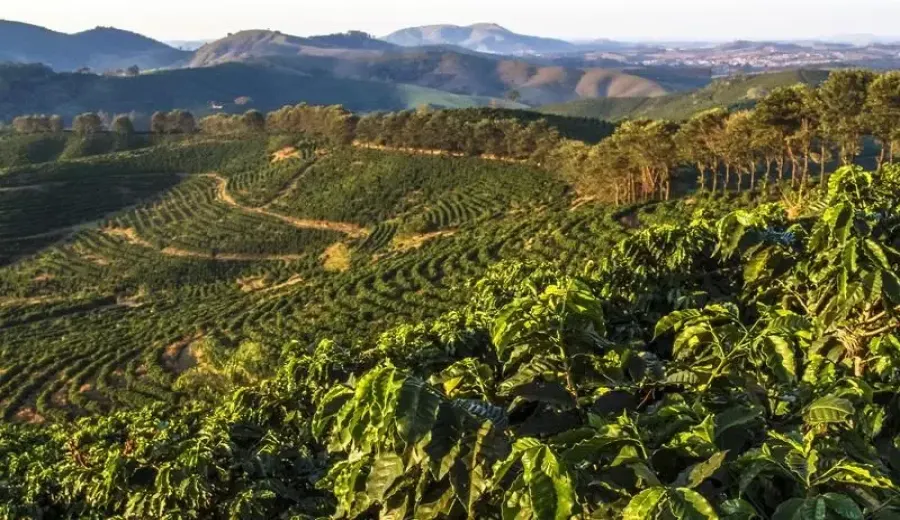
Introduction:Brazil’s coffee exports delivered an outstanding performance in April 2024, setting new historical records for both export volume and foreign exchange earnings. However, behind these impressive figures lie dual challenges: port delays and extreme weather conditions. This article delves into the reasons behind Brazil’s surge in coffee exports, shifts in market supply and demand, as well as potential risks on the horizon, helping readers stay updated on the latest developments in the global coffee market.
According to the latest statistics released by the Brazilian Coffee Exporters Council (Cecafe), Brazil’s coffee exports in April 2024 reached 4.222 million bags (each bag weighing 60 kg), showing significant growth compared to the same month in 2023.53.3%Not only did this set a new monthly record, but it also surpassed the performance of the same period in 2021. This wave of export enthusiasm brought Brazil$935.3 millionin foreign exchange earnings, with a year-on-year growth rate of52.6%, also hitting a new all-time high.
Looking at the cumulative data for the first four months of this year, Brazil’s total coffee exports have reached16.242 million bags, with cumulative foreign exchange earnings amounting to$3.444 billion. Both metrics have also set new records for the same period in history. Compared to the same period in 2023, export volume grew by45.6%, while revenue increased by42.2%, even surpassing the$3.206 billionrevenue record from the same period in 2022.
Breaking down the categories, Arabica coffee remains the mainstay of exports, accounting for76.77%of the total export volume in the first four months, reaching 12.469 million bags. Meanwhile, Robusta coffee saw explosive growth, with exports totaling 2.550 million bags, marking an astonishing year-on-year increase of528%.
Market experts analyze that this significant surge in exports is closely tied to the global tightness in coffee supply. Vietnam — a major global producer of Robusta — experienced notable production declines this year. Coupled with theRed Sea crisiscausing delays and soaring freight rates on Eurasian shipping routes, international buyers turned to Brazil for alternative supplies. At the same time, due to supply shortages of Robusta from Indonesia and Vietnam, Brazil’s Robusta coffee has effectively filled this market gap, further boosting export volumes.
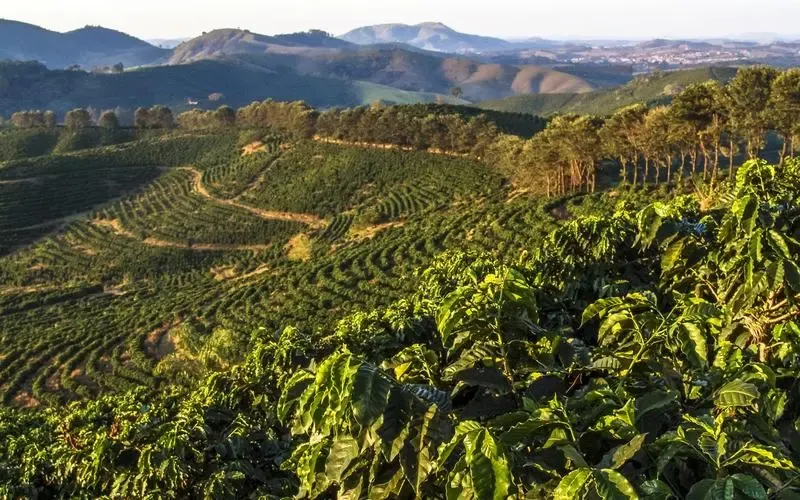
It is worth mentioning that in the first four months of this year, Mexico emerged as one of Brazil’s emerging major coffee buyers, importing a total of 300,000 bags of Brazilian coffee, a staggering increase of877%compared to the same period in 2023, demonstrating the continuously expanding global appeal of Brazilian coffee.
However, behind the stellar export performance, challenges cannot be overlooked. According to Cecafe’s Technical Director, during April 2024, Brazil’s main export port —Port of Santos— experienced delays for 95 coffee cargo ships, accounting for80%of the port’s total coffee-exporting vessels, indicating a severe level of delay. Aside from Port of Santos, other ports also faced delay issues, though to a relatively lesser extent.
Shipping delays and insufficient container space not only affected export efficiency but also placed additional cost pressures on exporters. The logistics bottleneck has become one of the main challenges currently facing Brazil’s coffee exports.
Beyond logistics issues, weather factors also cast a shadow over future coffee yields. The latest weather forecasts indicate that a strong cold front is moving southward, threatening southern regions of Brazil and potentially triggeringfrost damage. Previously affected byEl Niño, central Brazil has already experienced high temperatures. If the cold air meets the existing heat, it could lead to atmospheric instability, resulting in heavy rain and flooding, especially in regions such as Rio Grande do Sul.
As the influence of El Niño gradually weakens, central Brazil is expected to see cooler temperatures in June. However, what may follow is the onset ofLa Niña, which will increase the likelihood of frost occurrence, further threatening the growth and harvest of coffee crops. The industry has called on coffee farmers to prepare early for cold and disaster prevention measures to minimize potential losses.
The above content is compiled by CoffeeHunters, a coffee news website.


