







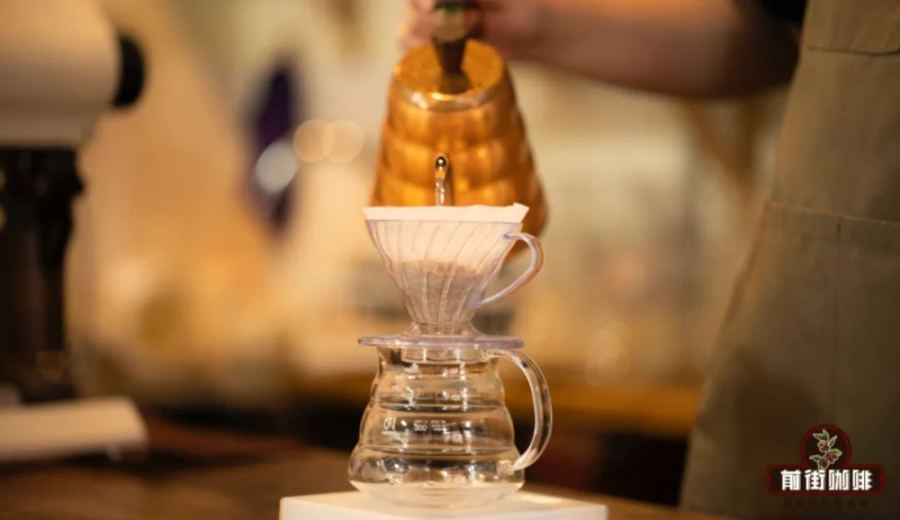
Introduction:To brew an ideal pour over coffee, you can’t just rely on imitating techniques—you need to understand the science behind it. This article dives deep into the dissolution characteristics of the three key flavor components in coffee beans—acidity, sweetness, and bitterness—as well as the practical significance of the Golden Cup extraction rate. We’ll guide you through five core variables: water temperature, grind size, coffee-to-water ratio, time, and water flow, helping you adjust parameters to extract a coffee with balanced flavors. Whether you’re a beginner or an advanced enthusiast, you’ll find useful inspiration here.
Many people learning pour over coffee are eager to memorize various brewing techniques, but what’s more crucial is understanding the underlying logic of extraction. All brewing methods are essentially variations designed around the science of extraction. Once you grasp these core principles, even beginners can quickly get the hang of it and brew a well-balanced cup, while also understanding how different brewing methods work. So, what exactly are we extracting when we brew pour over coffee?
In fact, it’s not just pour over—this essence applies to all coffee extraction. Around 30% of a coffee bean consists of soluble substances, while the remaining 70% is made up of insoluble materials like lignin and fiber. Among the soluble substances are caffeine, proteins, sugars, carbohydrates, various acids, and oils, and the three primary flavors we know well—acidity, sweetness, and bitterness—are all contained within these soluble compounds. The goal of extraction is to draw out these substances from the coffee bean.
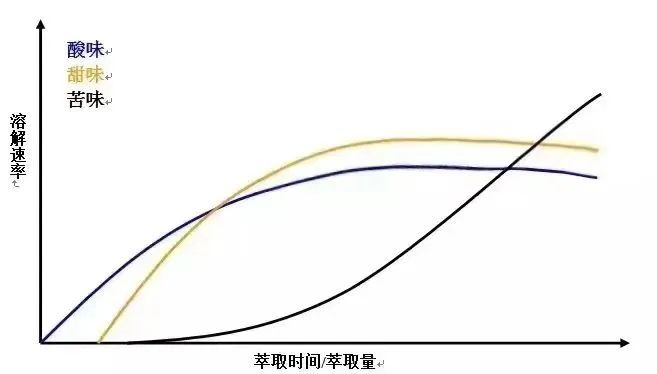
The proportion of acidity, sweetness, and bitterness in a coffee bean varies depending on the roast level. Generally speaking, the lighter the roast, the higher the proportion of acidic compounds; the darker the roast, the more dominant the bitter compounds become. Since these flavors influence one another, different ratios will result in dramatically different flavor profiles in the final cup. Therefore, the core challenge of extraction is: how to extract these three flavor types in appropriate amounts to achieve a balanced taste.
It’s worth noting that the dissolution rates of acidity, sweetness, and bitterness are not the same. Acidic compounds usually dissolve the fastest, being rapidly released upon contact with hot water; bitter compounds dissolve the slowest and may still be slowly releasing even after the acidic and sweet compounds have been fully extracted. Although bitterness can enhance the body and richness of coffee, too much of it can easily overpower other flavors. Thus, controlling the dissolution rate during extraction—allowing bitterness to be released in moderation without dominating—is one of the keys to brewing great coffee.
But we can’t directly monitor the release amount of each compound, which makes it difficult to determine when bitterness peaks. This is where the concept of “Golden Cup extraction” comes into play.

According to research data on the Golden Cup standard, coffee with an extraction rate between 18% and 22% is usually most favored by the majority. That’s because an extraction rate exceeding 22% often means too many bitter compounds are released, negatively impacting the overall flavor. In other words, as long as you keep the extraction rate within this range, you can effectively avoid excessive bitterness and brew a well-balanced cup. (Of course, the Golden Cup standard isn’t absolute—the actual flavor should always be judged by taste.)
Water is the indispensable medium for extracting these flavor compounds. It dissolves the soluble components in coffee, and the minerals present in everyday drinking water affect its hardness, which in turn subtly influences the flavor of the coffee. However, compared to other parameters, the impact of water quality is relatively minor—if you want to dive deeper, you can refer to related articles. What we should focus on more is how to adjust parameters to allow water to extract the flavor compounds from coffee in a balanced way.
Controlling the amount of extraction isn’t hard, but the challenge lies in precisely managing the “amount” of extraction. Therefore, we need to establish a brewing plan, using several quantifiable factors to regulate the dissolution rate of substances. These include: coffee-to-water ratio, grind size, water temperature, and brew time. These four elements must work together to find the optimal balance point. This process is what we call “controlling dissolution efficiency.”
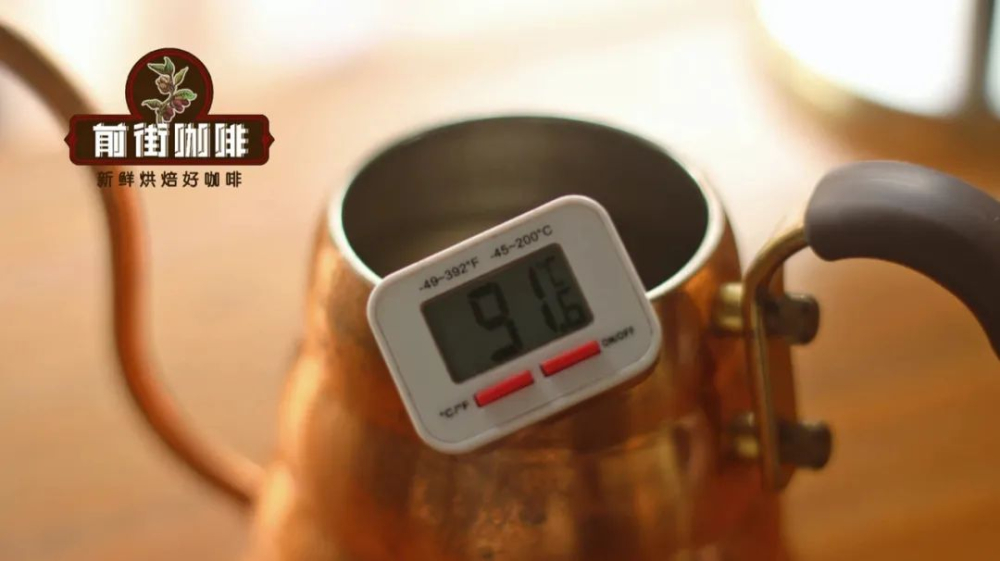
Let’s start with water temperature. As the solvent in the extraction process, water temperature directly affects the activity level of water molecules. The higher the temperature, the more vigorously the molecules move, and the stronger the extraction efficiency. With all other conditions unchanged, the higher the water temperature, the faster the flavor compounds are extracted.
Typically, we adjust water temperature based on the roast level of the coffee beans. Lighter roasts, due to their shorter roasting time and higher bean density, require a higher water temperature (for example, the recommended 91°C–93°C) to achieve full extraction. Darker roasts, on the other hand, have lower density, and if the water temperature is too high, they may release too many undesirable compounds. Therefore, it’s advised to lower the water temperature (for example, the recommended 87°C–89°C) to reduce the risk of over-extraction.
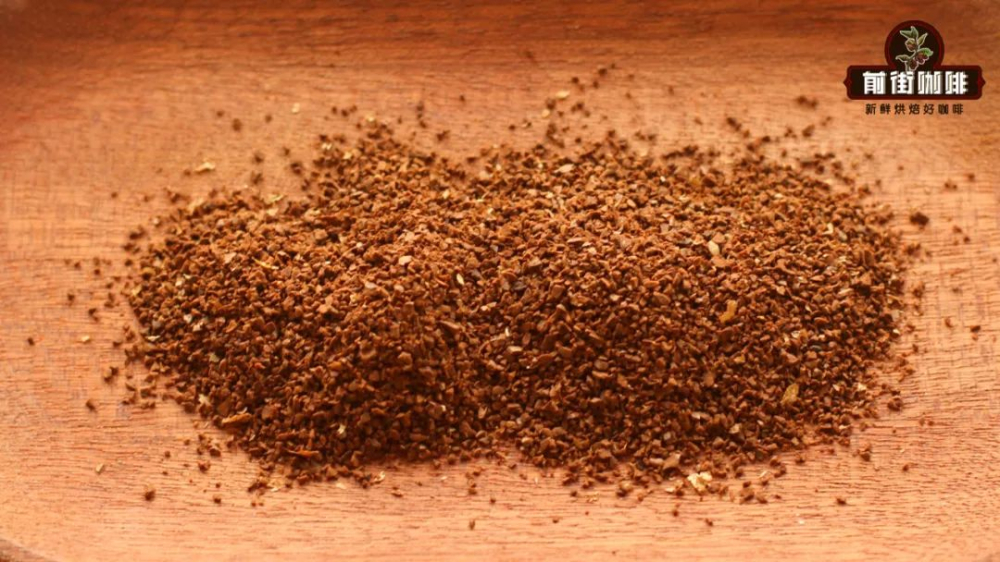
Next is the grind size of the coffee beans. The fineness or coarseness of the grind directly affects the surface area in contact with water. The finer the grind, the larger the contact area, and the shorter the distance from the particle interior to the surface—allowing water to penetrate the coffee grounds more quickly, thereby speeding up the extraction.
But finer isn’t always better. The finer the coffee is ground, the more superfine particles (a.k.a. fines) are produced. A moderate amount of fines can add complexity to the flavor, but if there are too many, they won’t bring positive effects. Instead, they may clog the filter paper, prolonging brew time or even causing over-extraction. Generally, for light roasts, a grind size with an 80% extraction rate through a No. 20 sieve is recommended; for dark roasts, a 75% extraction rate is suggested. Adjustments can be made based on actual flavor results.
The coffee-to-water ratio is another important parameter affecting extraction. It refers to the proportion of coffee grounds to the amount of water used. This ratio directly determines the concentration of the coffee: at the same extraction rate, the higher the ratio, the stronger the coffee, and vice versa.
The commonly recommended coffee-to-water ratio is 1:15, but this can vary based on personal taste preferences and brewing methods. It’s best to adjust flexibly according to your specific situation.
Brew time is also not to be overlooked. It refers to the entire duration from when hot water first contacts the coffee grounds to the moment the last drop of coffee drips out. The longer the time, the more contact there is between water and coffee grounds, and the higher the extraction efficiency; the shorter the time, the lower it is.
Brew time is mainly influenced by water flow speed, which in turn is constrained by multiple factors—such as grind size (the finer the grind, the slower the flow), coffee-to-water ratio (more water takes longer), and the design of the filter paper and brewer (which affects drainage speed). It’s generally recommended to keep brew time within a range of 2 minutes ± 5 seconds to achieve better extraction balance.
Beyond the above parameters, there’s another often overlooked yet critically important factor: water flow. Many people use circular pouring techniques and adjust pouring height during brewing. The main purpose of these actions is to use the impact force of the water flow to stir the coffee grounds (i.e., agitation), thereby improving extraction efficiency.
Here’s a simple analogy: think about brewing Banlangen granules. With the same hot water and dosage, one cup is stirred, the other isn’t—the result is clearly that the stirred cup dissolves faster. This is the kinetic effect of water flow. When the water flow has sufficient impact force, the coffee grounds tumble more vigorously, making it easier for soluble substances to be released. For more insights into how water flow affects coffee extraction, you can explore related articles.
In summary, the various factors that influence coffee extraction interact with each other, forming a dynamic equilibrium system. When one variable changes, to maintain overall extraction balance, other parameters also need to be adjusted accordingly. The various brewing methods we’re familiar with have actually evolved through the regulation of the extraction efficiency of these variables.
For beginners, it’s recommended to first master the basic parameters mentioned above, then gradually explore more advanced techniques. Additionally, if you want to consistently brew good coffee, visualizing your brewing data is very important. It’s recommended to prepare tools such as an electronic scale, timer, sieve, and thermometer to record the parameters of each brew. In the future, you’ll not only be able to recreate successful recipes, but also continuously optimize and fine-tune them.
The above content is compiled by CoffeeHunters, a coffee news website.


