







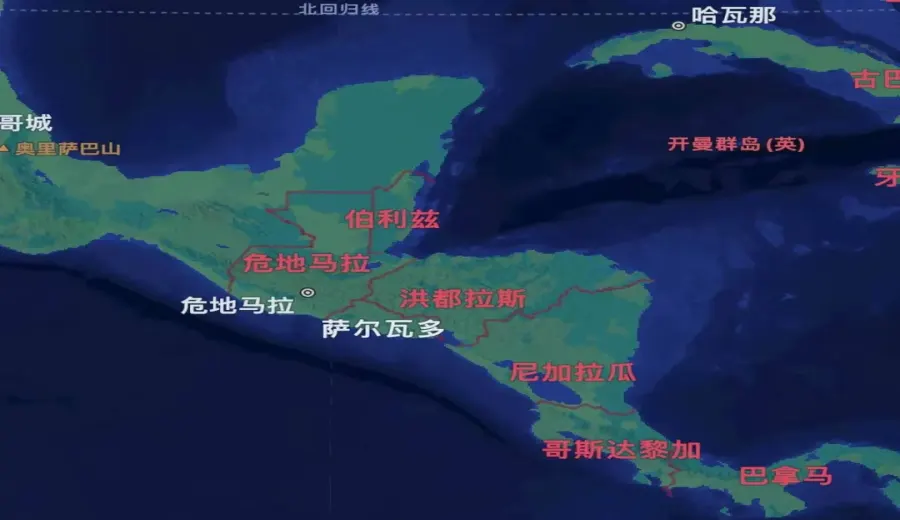
Introduction:Although El Salvador is one of the smallest countries in Central America by land area, its unique volcanic soil and high-altitude environment produce specialty coffees with distinctive flavors. This article delves into the country’s major coffee-growing regions and explores the origins, characteristics, and recommended brewing methods of two highly regarded coffee varieties—Pacas and Pacamara. Whether you’re a beginner or an advanced coffee enthusiast, you’ll discover new inspiration for selecting beans and savoring their flavors.
Located in northern Central America, El Salvador covers an area of approximately 21,040 square kilometers, making it one of the smallest countries in the region. While its total coffee production is not as high as that of neighboring Costa Rica or Honduras, its volcanic geography, moderated by Pacific breezes and high-altitude mountain growing conditions, results in coffee with exceptionally rich and unique flavor profiles.
Known as the "Land of Volcanoes," the country is home to numerous volcanoes, including the Santa Ana Volcano, which is the highest peak at 2,385 meters above sea level. The terrain is predominantly mountainous and plateau-like, with a tropical climate and an average annual temperature of around 28°C. However, due to elevation differences, mountainous areas are relatively cooler, with annual rainfall sometimes exceeding 1,800 millimeters. Such a uniquely favorable environment makes it an ideal place for cultivating high-quality coffee.
In El Salvador, coffee is grown almost nationwide, but the most notable producing regions are mainly concentrated in two key areas:Alotepec-MetapanandApaneca-Ilamatepec. The former is located in the northwest of the country, spanning the departments of Santa Ana and Chalatenango, and is primarily composed of small coffee farms. The planting altitude mostly ranges between 1,200 and 1,800 meters, which is highly suitable for growing coffee with intense and layered flavors.
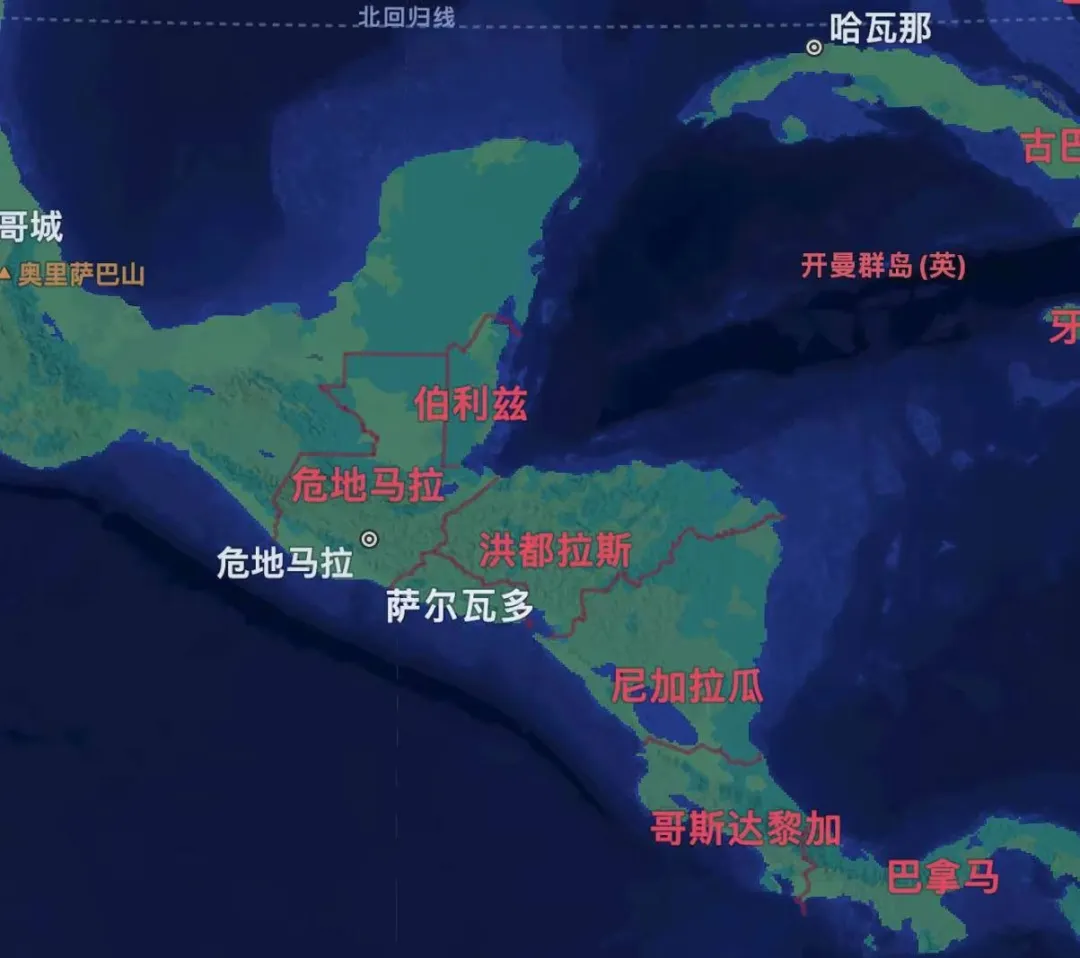
The latter is El Salvador’s most important commercial coffee-producing region, situated in the western part of the country. It encompasses forests, lakes, and volcanic groups, with an even wider range of planting altitudes, stretching from 800 meters up to 2,300 meters. This diverse altitude distribution contributes to the richness and complexity of the coffee flavors in this area. Additionally,El Bálsamo Quetzaltepec,Cacahuatique,Chichontepecand other regions each have their own unique characteristics, suitable for the cultivation and development of different styles of coffee.
When it comes to coffee varieties in El Salvador,Bourbonremains the mainstream, but in recent years,PacasandPacamarahave gained increasing attention from the global specialty coffee community due to their unique flavors and market performance. Pacas is a natural mutation of Bourbon, discovered in 1949 at the Pacas family farm in the Santa Ana region of El Salvador. This variety has shorter plants, tighter internodes, and closely arranged leaves, making it not only suitable for dense planting but also capable of stable growth in high-altitude environments. Although it is more susceptible to diseases, it accounts for about 25% of the country’s total coffee production and is one of the most representative varieties locally.
As for Pacamara, it is an even more talked-about variety among coffee enthusiasts and competition circles. It is a hybrid of Pacas and another variety—Maragogype, which belongs to the Typica family. Pacamara trees are of medium height, with broad and thick leaves and relatively short internodes. Its cherries are distinctly elongated, and the coffee beans are large with an oval shape, often featuring a small protrusion at the tail. This variety thrives best in high-altitude environments and can exhibit highly layered aromas and flavors, often described as floral, tropical fruits, caramel, and rich body. However, Pacamara has relatively low resistance to diseases, especially high sensitivity to leaf rust, so more careful management is required during cultivation and post-harvest processing.
Whether you’re a newcomer just starting to explore single-origin coffees or an experienced coffee connoisseur looking to challenge higher-level flavors, understanding the characteristics of these regions and varieties can help you choose coffee beans that better suit your taste. By pairing them with appropriate grind size and brewing parameters—for example, using a medium-fine grind (about the size of granulated sugar) and water temperature controlled between 90–93°C for pour over—you can better bring out the unique flavor potential of Pacas and Pacamara.
The above content is compiled by CoffeeHunters, a coffee news website.


