








Introduction:Want to dive deeper into Nicaragua, a Central American coffee-producing country with great potential? This article takes you through the unique terroirs of its three core regions—Jinotega, Matagalpa, and Nueva Segovia—fromaltitudes of 1100 to 1700 meters, the characteristics of Caturra and Bourbon varieties, tothe SHG (Strictly High Grown) altitude classification standard, helping you grasp the key knowledge for selecting Nicaraguan coffee beans and enhancing your pour over or extraction flavor experience.
Located inland in Central America, Nicaragua may not be as internationally renowned as its neighbors Panama or Costa Rica, but its coffee-growing conditions are by no means inferior. Surrounded by volcanoes and plateaus, this country, with its diverse microclimates and refined cultivation traditions, has nurtured three premium regions—Jinotega, Matagalpa, and Nueva Segovia—primarily cultivating Caturra and Bourbon varieties. Its coffee beans are also strictly graded by altitude, among whichSHG (Strictly High Grown) high-altitude beansare the top choice for specialty coffee enthusiasts.
Nicaragua spans both tropical and highland climate zones. The north-central highlands enjoy a cool and pleasant climate, with an average annual temperature of about 18°C and annual rainfall between 1500 and 2500 millimeters. The rainy season lasts from May to December, providing an ideal growing environment for coffee trees. The eastern coastal plains have a humid and rainy climate, while the western lowlands have distinct wet and dry seasons, characterized by a tropical savanna climate. This diverse geography contributes to the rich flavor layers of Nicaraguan coffee.
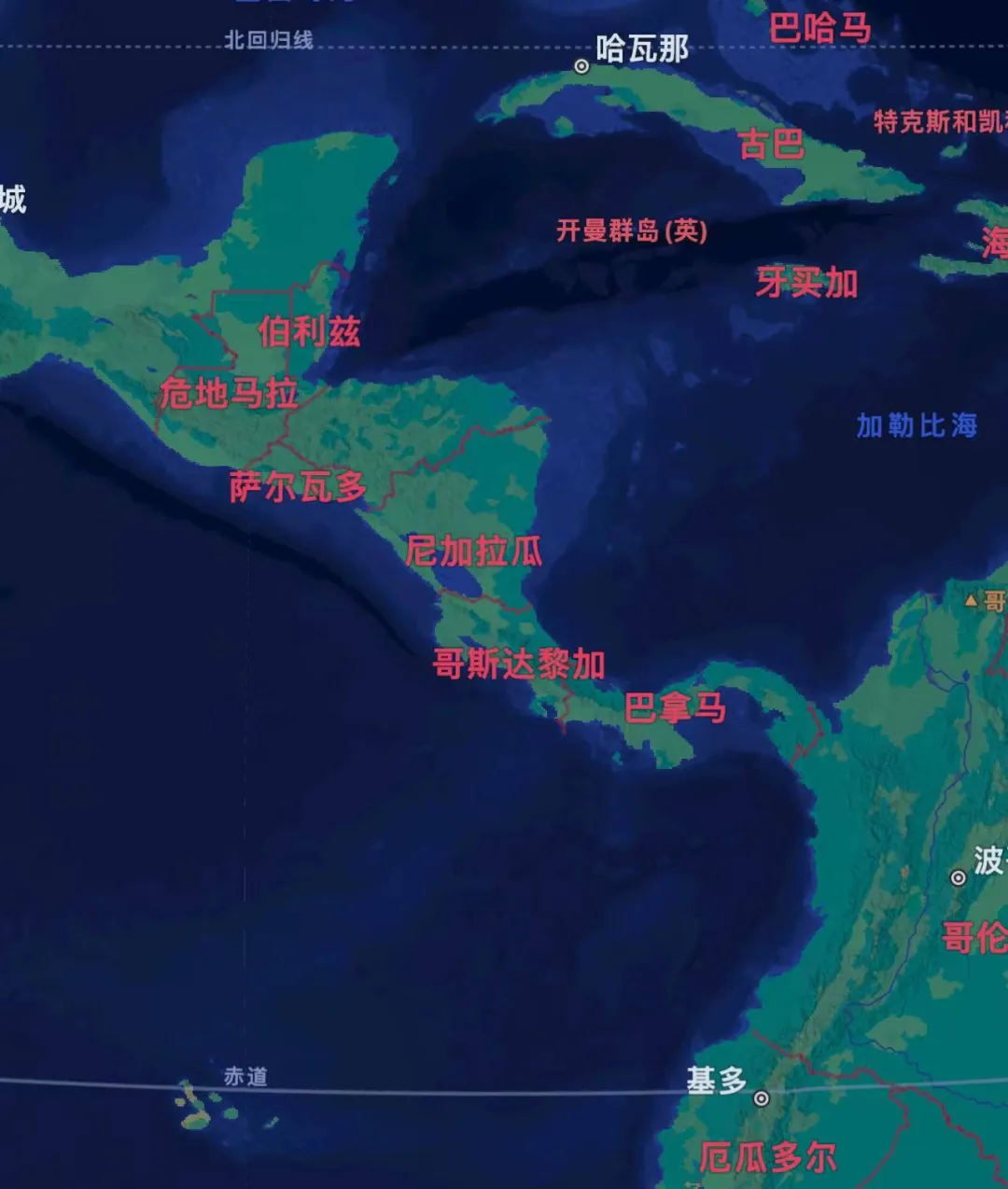
Coffee cultivation in Nicaragua is mainly concentrated in three regions: Jinotega, Matagalpa, and Nueva Segovia. These areas generally lie between 1000 and 1700 meters above sea level, falling within thehigh-altitude to ultra-high-altitude range. Coffee trees grow slowly here, and fruit ripening takes longer, resulting in beans with high density, intense flavors, and a well-balanced sweetness and acidity.
The Jinotega region, whose name originates from the Nahuatl language meaning "city of the old men," is one of Nicaragua’s oldest coffee-producing areas. With altitudes ranging from 1100 to 1700 meters and a harvest season from December to March each year, it primarily grows Caturra and Bourbon. The coffee here is known for its full-bodied taste and delicate citrus notes, making it especially appealing to coffee lovers who prefer balanced flavors.
The Matagalpa region shares its name with its capital city, which even houses a dedicated coffee museum. Altitudes here are concentrated between 1000 and 1400 meters, with the harvest season from December to February. The main varieties are also Caturra and Bourbon. Coffee from this area often features bright acidity and a black tea-like aftertaste, suiting brewing methods that favor a fresh profile, such as pour over or drip filtration.
Nueva Segovia is located in northern Nicaragua near the border, at elevations of 1100 to 1650 meters. It is an emerging region that has gained attention in recent years and has repeatedly achieved excellent results in Nicaragua’s Cup of Excellence competition, gradually establishing a reputation as the “country’s best coffee.” This region mainly cultivates Caturra, Catuai, and Bourbon, with the same harvest period from December to March. The coffee flavors are complex, often showcasing layers of nuts, caramel, and tropical fruits, and are particularly well-suited to dark roasting to bring out intense flavors.
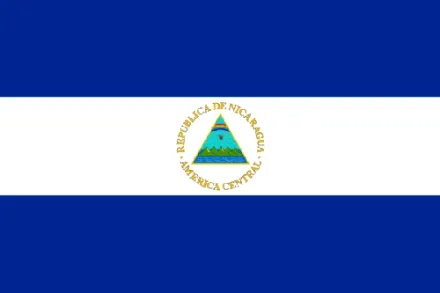
Nicaragua’s coffee grading system is primarily based on altitude and is divided into four grades:SHG (Strictly High Grown, 1500–2000 meters), HG (High Grown, 1300–1500 meters), MG (Medium Grown, 1000–1300 meters), and LG (Low Grown, 500–1000 meters). Among these, SHG-grade beans, due to the challenging growing conditions, slower maturation, and high bean density, offer the most concentrated and consistent flavors, making them the top choice for those seeking high-quality coffee. When purchasing Nicaraguan coffee beans, it is recommended to prioritize products labeled with SHG or HG grades to enjoy the best flavor experience.
The above content is compiled by CoffeeHunters, a coffee news website.


