







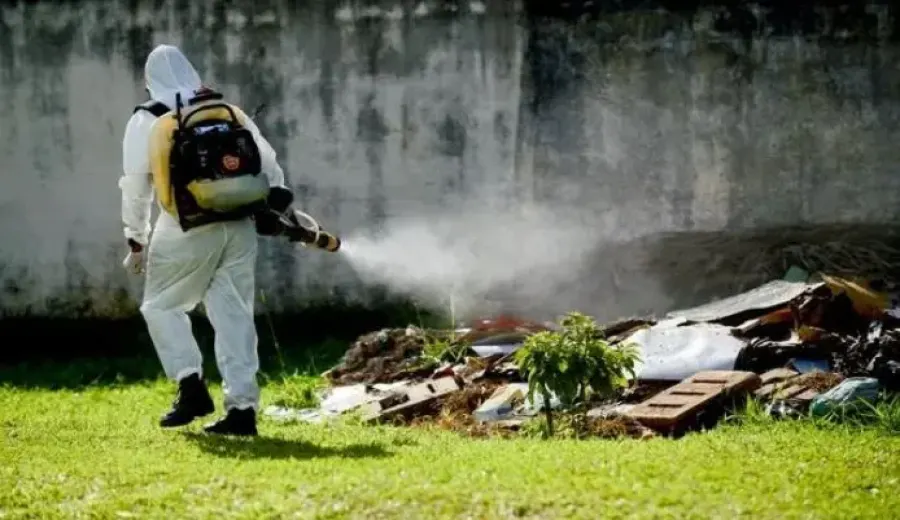
Introduction:The worsening weather conditions driven by the intensifying El Niño phenomenon have led to the most severe dengue fever outbreaks in Brazil and Indonesia in the past 20 years. This article delves into how the epidemic has caused a shortage of labor for Robusta coffee harvesting, a surge in port delays, and reveals the actual number of delayed days along with the varying performance of different ports—helping coffee professionals stay updated on the latest supply chain developments.
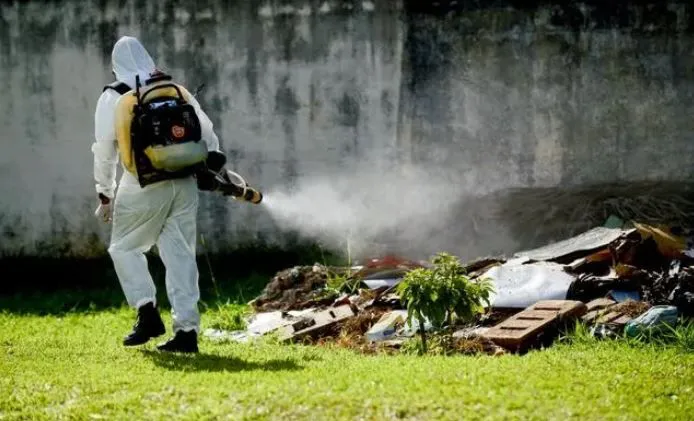
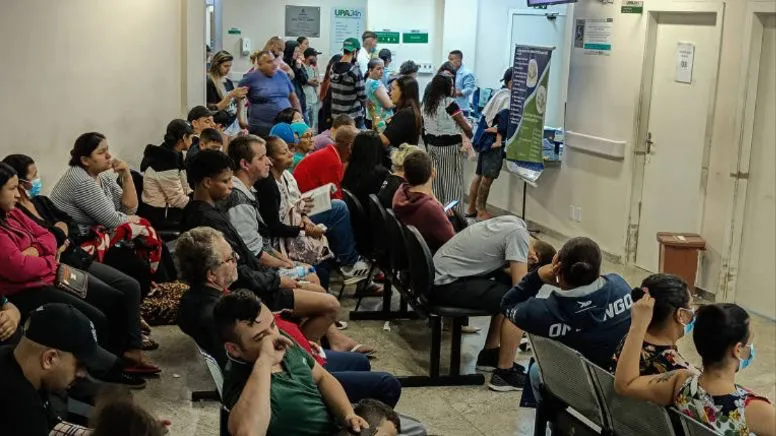
This year’s unusually hot and humid climate has created ideal breeding conditions for disease-carrying mosquitoes, leading to a major outbreak of dengue fever across Central and South America. Among them, Brazil has been hit the hardest.The cumulative number of confirmed cases has exceeded 3.5 million.,The death toll has reached 1,544 cases.Both figures have hit their highest levels since 2000. Data from São Paulo Municipal Hospitals shows that dengue patients account for up to 90% of hospital admissions, with some periods even experiencing full capacity in wards.
At the start of the new Robusta coffee harvest season, the severe epidemic has already had a tangible impact on harvesting operations.A large number of harvesting workers have taken leave due to infection.This has significantly slowed progress in field operations. Although some producing regions have attempted to reallocate labor, the shortage of skilled harvesters has still led to an overall efficiency drop of about 30%.
The challenges facing Brazilian coffee exports are not limited to the fields. Santos Port, the main export hub, was already plagued by vessel delays due to outdated equipment and management issues. The situation has worsened after the outbreak.In March, the percentage of coffee ships experiencing delays soared to 80%.According to official statistics, among the 90 container ships handled at the port, the worst-case delay lasted as long as 39 days.
Specifically, only about 30% of cargo ships were able to complete loading and unloading within 2 days, 57% took 3 to 4 days, and another 12% of ships waited more than 4 days. The situation at Rio de Janeiro Port is equally severe.The vessel delay rate reached 81%.Victoria Port also saw 59% of ships experiencing delays. These figures mean that the delivery cycle for green coffee beans may be extended by more than two weeks compared to expectations.
It is worth noting that port congestion affects coffee from different producing regions differently. Robusta coffee from Minas Gerais is usually exported through Santos Port, while goods from Espírito Santo State are more often transported via Victoria Port. Importers need to adjust their procurement plans according to specific origins and allow for longer logistics timelines.
Asia’s Indonesia has also not been spared.The number of confirmed cases has exceeded 60,000.,With 475 deaths.Approximately three times the number during the same period last year. The Jakarta Health Department has specifically warned that mosquito density may rise further with the onset of the rainy season. For professionals planning to visit Indonesia to inspect coffee plantations, it is recommended to prepare anti-mosquito gear in advance and familiarize themselves with the distribution of local medical facilities.
This epidemic has exposed the fragility of the global coffee supply chain. Every link from field harvesting to port transportation can be affected by sudden public health events. Industry insiders suggest that important orders should consider diversifying port shipments or negotiating emergency inventory mechanisms with suppliers to mitigate potential risks of logistics disruptions.
The above content is compiled by CoffeeHunters, a coffee news website.


