







Introduction:Although Mexico may not be the most renowned coffee-producing country, its high-altitude southern regions nurture many specialty beans with delicate flavors. This article delves into the geographic characteristics and climate advantages of Mexico’s four major coffee-growing regions, introduces key varieties such as Typica, Bourbon, and Pacamara, and highlights Garnica, a variety cultivated by official institutions. Whether you’re looking to select Mexican coffee beans for pour over or understand how altitude affects flavor, this guide offers practical insights.
When discussing coffee-producing countries in the Americas, people often focus on Costa Rica, Panama, or Jamaica. However, Mexico, located in the southern part of North America, has seen steady growth in its coffee industry in recent years, gradually drawing international attention. With its diverse terrain and varied climate, this country—blessed with volcanic soil and ideal high-altitude conditions—provides excellent grounds for coffee cultivation. Among its over 500,000 coffee producers, the vast majority are smallholders managing farms smaller than three hectares, primarily distributed across sixteen southern states. The four main producing regions are Chiapas, Oaxaca, Veracruz, and Puebla, which together account for over 90% of the country’s total coffee output.
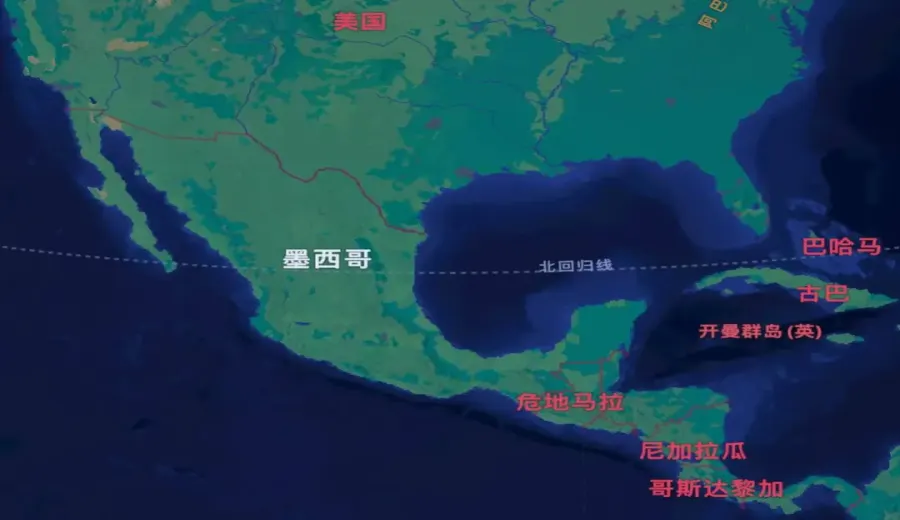
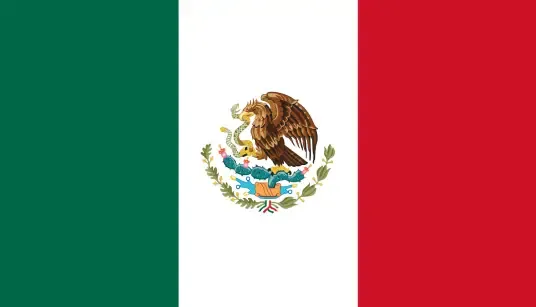
Mexico is situated in the southern part of North America and the northwest corner of Latin America, bordering the United States to the north, Guatemala and Belize to the south, the Caribbean Sea to the east, and the Pacific Ocean to the west. Covering an area of over 1.96 million square kilometers, it is the third-largest country in Latin America. Its flag features three vertical stripes in green, white, and red, symbolizing independence, peace, and unity, while the central emblem depicts a traditional motif of an eagle perched on a cactus with a snake in its beak, embodying the resilient spirit of the Mexican people. Geographically, the Sierra Madre mountain range surrounds the country on three sides, the central region consists of a vast plateau, and the southeastern part features the gentle topography of the Yucatán Peninsula, along with the famous Isthmus of Tehuantepec, which connects Central America—creating diverse microclimates.
In terms of climate, Mexico’s significant topographic variations result in a wide range of environments, from tropical rainforests to highland temperate zones. The plateaus and mountainous areas maintain mild temperatures between 10°C and 26°C year-round, with distinct dry and wet seasons—the dry season typically runs from October to April, while the rainy season occurs from May to September. Coupled with fertile volcanic soil and cultivation altitudes of mostly over 1,000 meters in most regions, these conditions provide an ideal environment for coffee tree growth.
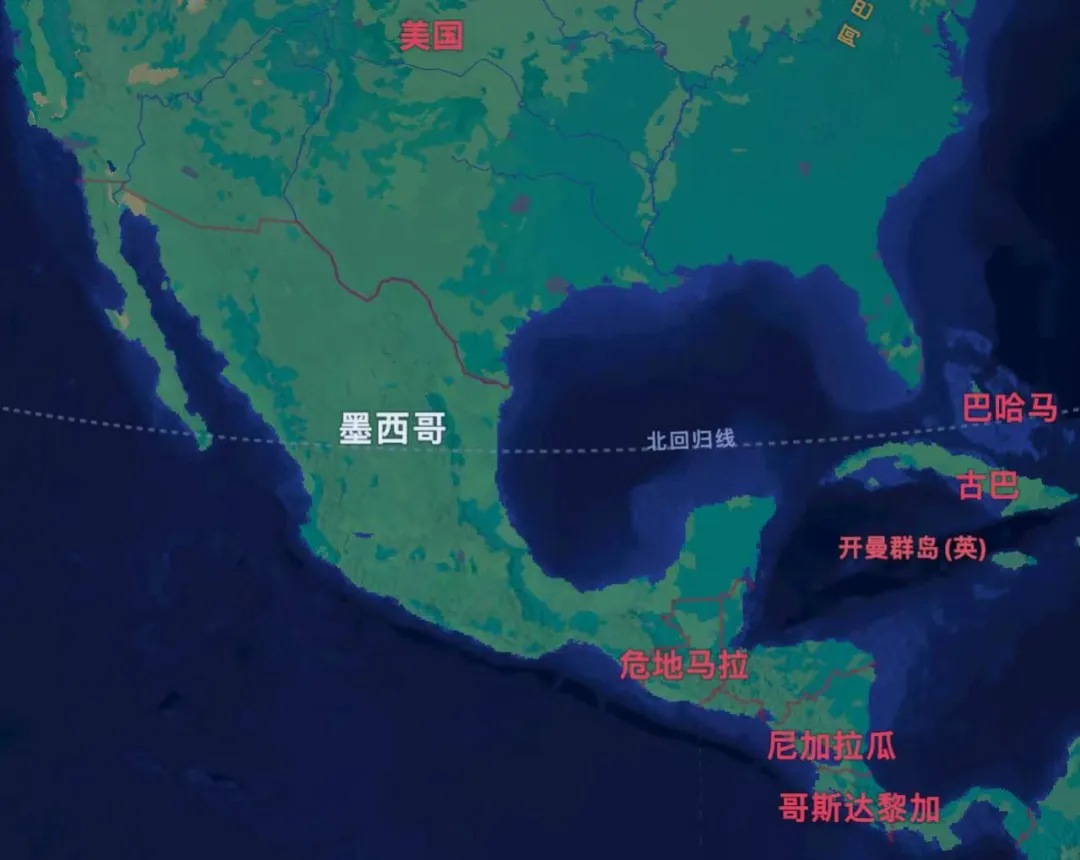
Mexico has over 500,000 coffee growers, with more than 95% owning less than 2.83 hectares of land. These smallholders are primarily located in the sixteen southern states, but production is highly concentrated in four core regions: Chiapas, Oaxaca, Veracruz, and Puebla. These four states contribute over 90% of the country’s total coffee output.
Chiapas, located in the southernmost part of Mexico and bordering Guatemala, is a significant producer of specialty coffee. Local coffee is typically grown at elevations between 1,300 and 1,700 meters, with around 178,000 coffee farmers—most of whom are small family-run operations—making it the country’s top-producing state. The state can be divided into nine coffee-growing regions, with the Selva Region in the northeast being the largest, while the Soconusco Region in the far south is renowned for its quality, making it a popular source for enthusiasts seeking uniquely flavored beans.
Oaxaca, located northwest of Chiapas and near the Pacific Ocean to the west, has coffee farms generally spread across elevations of 900 to 1,650 meters. However, coffee production techniques in the region remain relatively traditional, leaving room for further development.
Veracruz, situated north of Oaxaca and facing the Caribbean Sea, has its coffee-growing areas mainly concentrated in inland mountainous regions at elevations of 1,100 to 1,600 meters. This region leads in technological innovation, with many farms adopting disease-resistant varieties to enhance overall product stability and quality.
Puebla is located southeast of Mexico City and is home to the famous Popocatépetl volcano. The volcanic soil and moderate altitudes here produce coffee with rich flavor layers, often showcasing enticing sweetness and complex fruity acidity.
Mexico’s coffee plantings feature a diverse range of varieties, including Typica, Bourbon, Caturra, Maragogype, Pacamara, Garnica, Mundo Novo, and Gesha. Among them, Garnica was developed in the 1960s by Mexico’s National Coffee Research Institute (INMECAFÉ) through a crossbreeding of Mundo Novo and Caturra. It shares characteristics similar to Catuai, offering strong adaptability and stable yields.
For pour over enthusiasts, Mexican coffee beans from Chiapas or Oaxaca often exhibit mellow nutty notes, a rich chocolate base, and soft fruity acidity. They are well-suited for medium-light roasts to highlight their intricate details. It’s recommended to use a water temperature of 90–93°C and a grind size slightly coarser than medium-fine when brewing, to bring out their layered complexity and balance. Whether you’re trying Mexican coffee for the first time or seeking inspiration for new blends, understanding the terroir and variety characteristics of each region can help you find the perfect match.
The above content is compiled by CoffeeHunters, a coffee news website.


