







Introduction:In 2024, Honduras faced its most severe heatwave and drought in over 30 years, compounded by frequent wildfires and an impending hurricane season, posing multiple challenges to coffee cultivation. This article delves into how issues such as drastically reduced rainfall and soil degradation affect coffee plant flowering and fruiting, and interprets the potential threats of El Niño and La Niña phenomena to future harvests, helping coffee enthusiasts understand the climate risks behind the global supply chain.
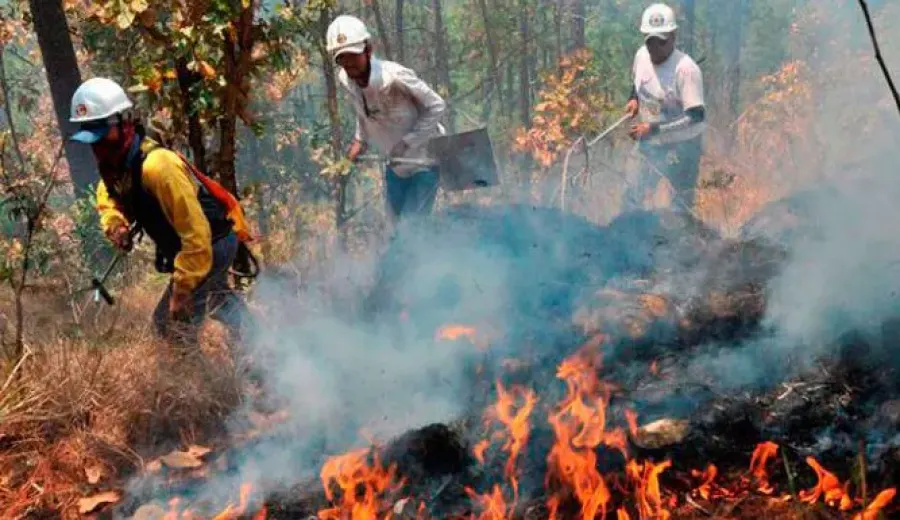
Since the beginning of 2024, many countries in Latin America have been hit by abnormal weather, with Honduras experiencing its hottest and driest summer since 1992, with temperatures frequently soaring to 38–40°C. The country has recorded over 1,903 wildfires, burning more than 150,000 hectares, dealing a severe blow to local agricultural ecology.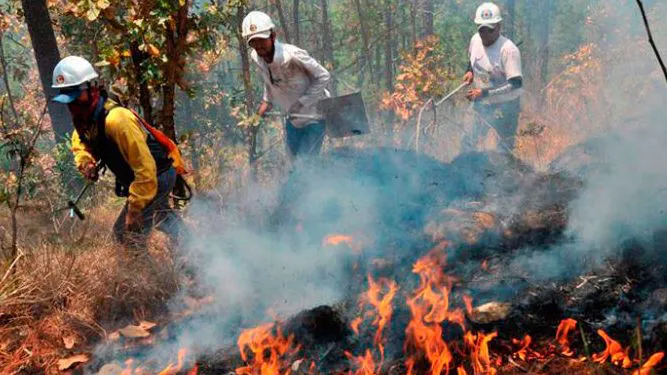
Although major coffee-growing regions have not yet been directly affected by the fires, the national average rainfall has dropped by nearly 40% compared to the same period last year, hindering the growth of coffee plants during the crucial flowering stage and directly impacting subsequent fruit set and bean quality. Experts point out that insufficient water can cause flowers to drop and reduce pollination rates, thereby lowering overall yields.
In terms of affected areas, Olancho Province suffered the most severe forest loss, with 37,100 hectares damaged, the highest in the country; followed by Francisco Morazán Province with 32,400 hectares lost; and Gracias a Dios Province ranking third with 23,500 hectares. It is worth noting that while Olancho and Francisco Morazán are within coffee-growing belts, they are not major producing regions, so the direct impact of wildfires on coffee output remains within controllable limits.
However, the indirect impacts should not be underestimated. With El Niño continuing to exert its influence, bringing high temperatures and prolonged drought, the Honduran Coffee Institute (IHCAFE) has issued a warning about the next coffee harvest. Meteorological data shows that national rainfall is significantly below average, which is not conducive to coffee trees receiving adequate moisture during the flowering period, potentially leading to flower wilting and a sharp drop in fruit set, further affecting overall production capacity.
In addition, although wildfires have not directly burned coffee trees, they have had a profound impact on the surrounding environment. The soil structure has been damaged after burning, soil erosion has intensified, and soil fertility has noticeably declined, affecting the nutrient absorption and growth vigor of coffee plants. The restoration of forest ecosystems often takes years or even longer, posing a hidden concern for agricultural production in the coming seasons.
Even more concerning is that Honduras is not only facing the impact of El Niño but, according to meteorological forecasts, La Niña may follow, bringing another wave of extreme climate changes. The Honduran Emergency Committee Office (Copeco) warns that this year could see a repeat of the catastrophic Hurricane Mitch in 1998, which would deliver a devastating blow to the country’s infrastructure and agriculture.
Historical data shows that Hurricane Mitch caused over 5,000 deaths, destroyed countless bridges, houses, roads, and farmland, and resulted in economic losses of up to $4 billion. This year’s Atlantic hurricane season is expected to generate 23 tropical storms, about 11 of which may develop into hurricanes, including 5 powerful major hurricanes—numbers far above the historical average, posing a potential threat to Honduras’ coffee-growing regions.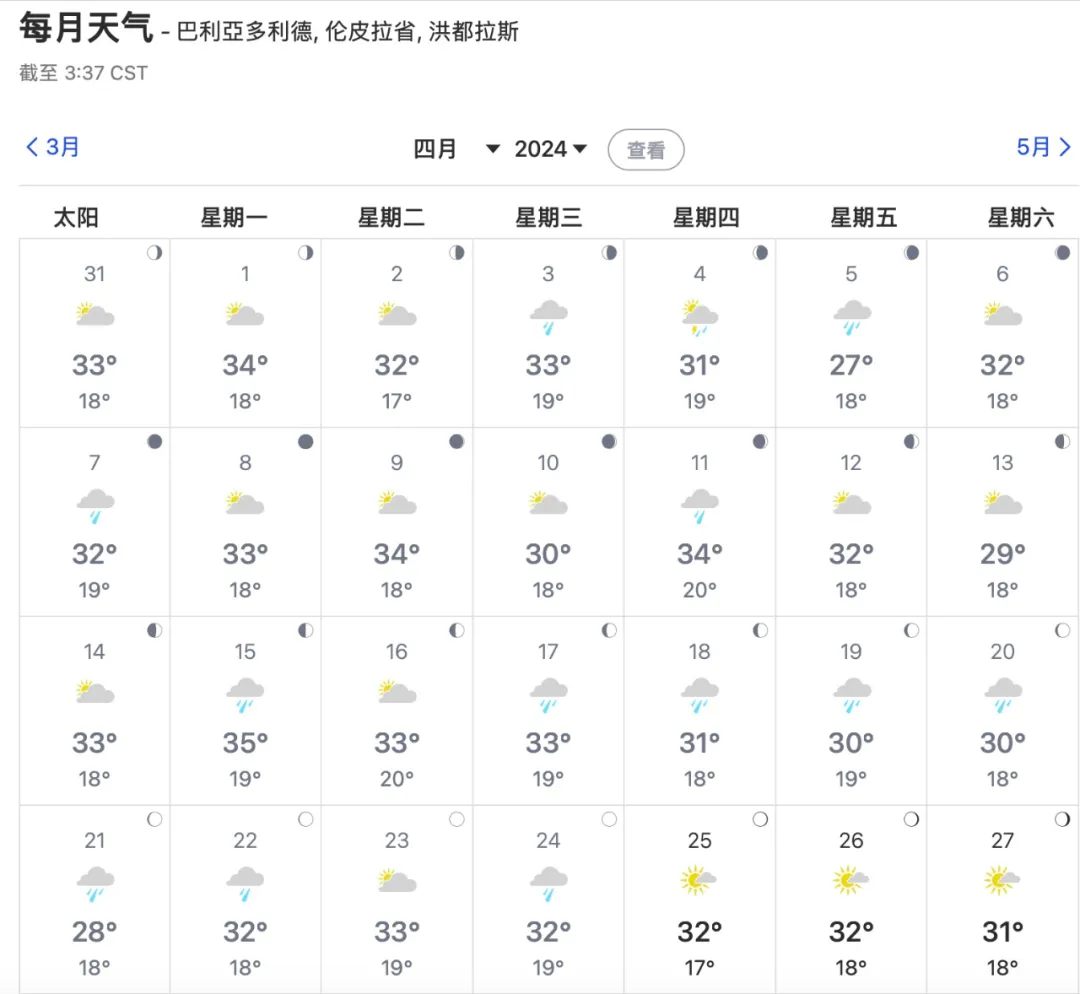
Faced with such a severe climate environment, the Honduran government has activated emergency response mechanisms and allocated at least 900 million lempiras for hurricane disaster prevention and relief efforts. However, for coffee farmers, how to cope with extreme weather, maintain plant health, and take protective measures before the hurricane season arrives will be key to determining the next harvest. The trajectory of Honduras’ coffee industry in the coming months is worth close attention.
The above content is compiled by CoffeeHunters, a coffee news website.


