







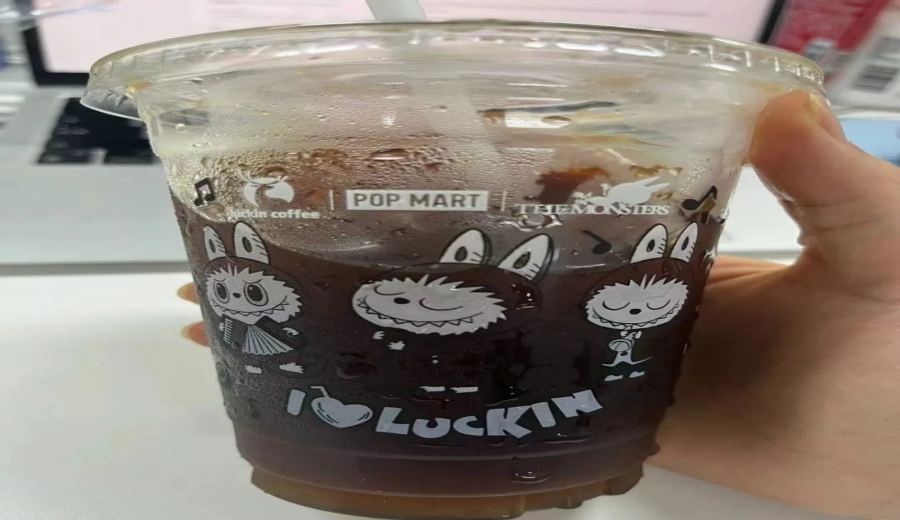
Introduction:Luckin Coffee is known for its rapid product launches, with new and regional limited-time drinks constantly emerging. However, consumer preferences shift quickly, leading to unsold inventory of seasonal items such as the Moutai collaboration and roasted coconut series after their popularity fades. Store employees revealed that opened ingredients have short shelf lives, and unused portions must be discarded entirely, with it being common on night shifts to "throw away a box every two days." This not only causes waste but also reflects the brand’s challenges in balancing innovation with inventory management.
In the highly competitive coffee market, Luckin Coffee has successfully captured significant consumer attention through its high-frequency new product strategy. With nearly a new flavor introduced each week, along with various regional limited editions, the menu remains fresh and caters to customers’ desire for novelty.
However, consumer preferences often fade as quickly as they emerge. When a new drink is launched, everyone rushes to buy and share it on social media, but once the hype dies down, these once-popular items—such as the Moutai collaboration series and roasted coconut series—are soon forgotten. Especially as seasons change, refreshing fruit flavors become more popular, while the appeal of winter hot drinks noticeably declines.
According to feedback from some store employees, the shelf life of opened ingredients is extremely short, especially for those used in less popular drinks. Even if stored in the fridge, any unused portions within the validity period must be discarded entirely. One employee noted that it’s common on night shifts to "throw away a box every two days," even though the box may have been used for less than one-tenth of its contents, resulting in significant food waste.
Take the Moutai collaboration series and roasted coconut series as examples: these drinks initially caused a craze upon launch, but over time, consumer interest waned. The roasted coconut series suffered even more, as it resembles the currently promoted fresh coconut series. When the weather warms up, the refreshing fresh coconut becomes more favored, causing the roasted coconut series’ sales to plummet—some stores may sell just a few cups a day.
It’s common to see a whole row of various drink ingredients in store fridges, including many that have been opened but have poor sales performance.Even when stored in the fridge, the shelf life of these opened ingredients is greatly reduced, and if they can’t be sold before expiration, they must unfortunately be discarded. This situation has become the norm during night shifts at some stores, and employees inevitably feel distressed when handling these wasted ingredients.
Employees hope the brand will reassess its product structure, consider discontinuing low-selling drinks, or adjust its new product strategy to reduce unnecessary waste. After all, while offering a wide variety of choices, how to balance inventory management with customer demand is an important issue for the brand’s sustainable growth.
From the consumers’ perspective, although Luckin offers a rich selection, the consistently best-selling items are usually seasonal new arrivals and classic flavors. Novel flavors like the Moutai series and fresh cheese series, once the novelty wears off, struggle to attract repeat purchases unless discounted.
Food safety is the top priority in the catering industry. Even though discarding ingredients may seem wasteful, ensuring customer health and product quality means same-day disposal remains the most responsible approach. This also puts store employees in a dilemma between feeling heartache and fulfilling their duty.
The above content is compiled by CoffeeHunters, a coffee news website.


