







Introduction:Although Uganda is often overshadowed by the brilliance of Ethiopia, its coffee potential should not be underestimated. This East African highland country is known for Robusta, but the quality of Arabica is rapidly rising. This article delves into the characteristics, altitude conditions, main varieties, and seasonal rhythms of Uganda’s three core coffee regions, and deciphers the unique local processing terms Wugar and Drugar, helping you fully grasp the terroir and flavor profiles of this emerging coffee origin.
When it comes to African coffee, Ethiopia is often the first choice, yet Uganda on the East African plateau also deserves attention. This equatorial nation was historically dominated by Robusta, but in recent years, both the quality and production of Arabica have seen significant growth. Uganda’s geographical environment is uniquely advantageous, with most areas situated on the East African plateau at an average altitude of about 1000–1200 meters. The country has numerous lakes, along with volcanic soils and distinct dry and wet seasons, creating ideal conditions for coffee cultivation.
The country’s main coffee-producing regions can be divided into three major areas: Bugisu, West Nile, and Rwenzori Mountains. Each region varies in terrain, altitude, and microclimate, leading to differences in the coffee varieties grown and processing methods used. Additionally, there are two unique industry terms locally: Wugar (washed Arabica) and Drugar (natural Arabica), representing Arabica coffees processed by different methods.
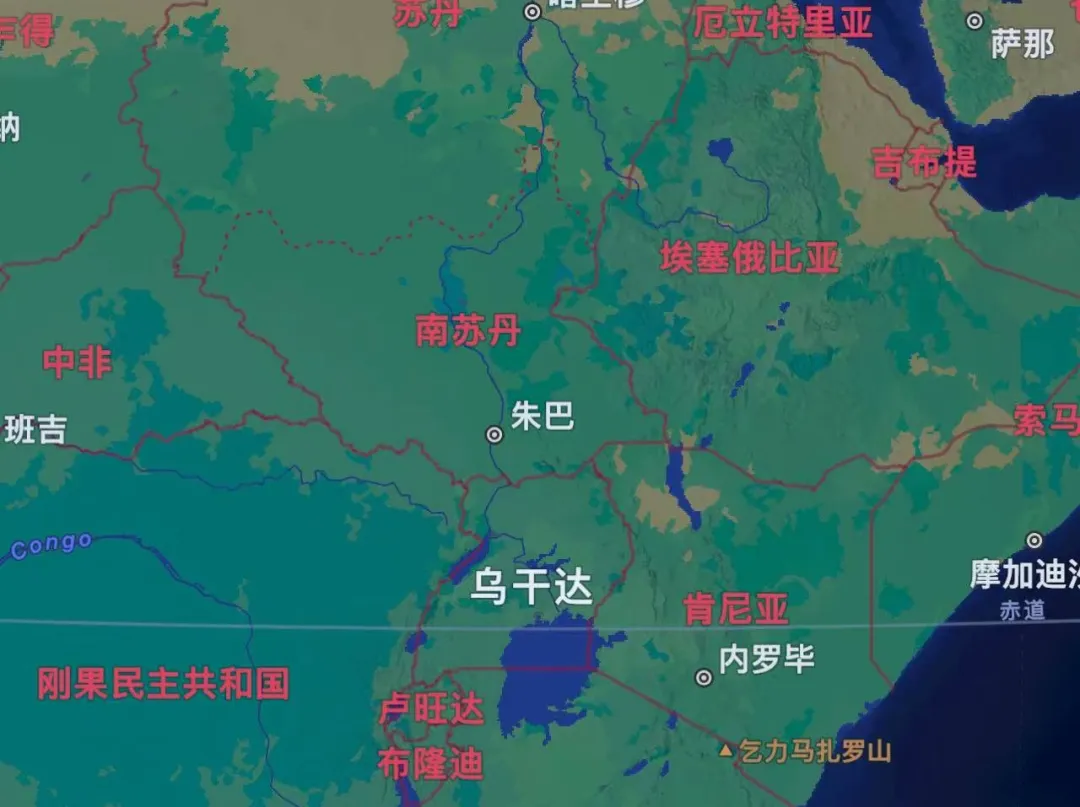
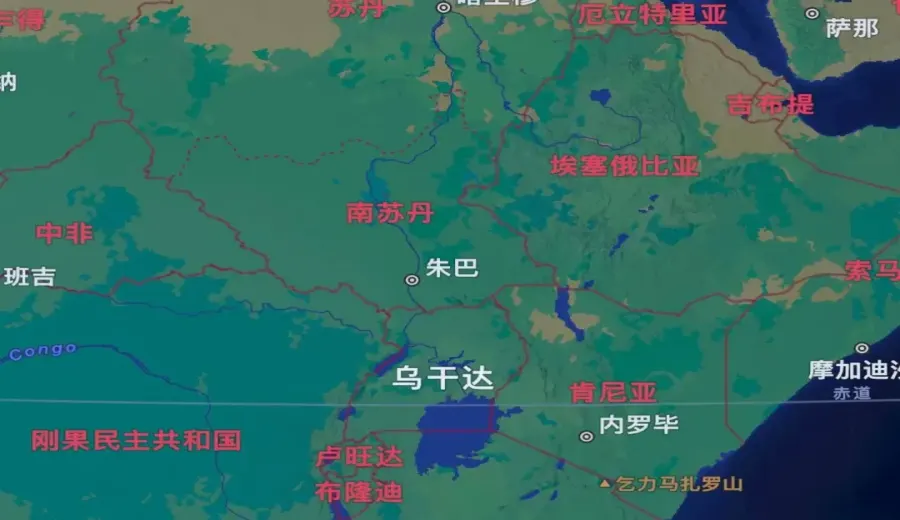
The Republic of Uganda is located in East Africa, covering a total area of approximately 241,550 square kilometers, and borders Kenya, Tanzania, the Democratic Republic of the Congo, and South Sudan. Its national flag design carries deep symbolism: it consists of six parallel wide bands in black, yellow, and red, with a white circle in the center featuring the country’s national bird—the grey crowned crane. Black symbolizes the people, yellow represents the sun, and red signifies freedom, collectively conveying the imagery of achieving independence and liberation under the sun.
The entire territory is mostly characterized by the East African plateau terrain, dotted with lakes, hence earning the reputation of the “plateau water town.” Within the Rwenzori Mountains lies Mount Margherita, which stands at an elevation of 5109 meters, making it the third highest peak in Africa and home to active volcanic landforms. In terms of climate, Uganda has a tropical savanna climate, with an average annual temperature of around 22.3°C. The rainy seasons are concentrated from March to May and September to November, with the rest of the year being dry. This seasonal distribution, combined with abundant water resources, high altitudes, and fertile volcanic soils, makes the country highly suitable for coffee cultivation.
For a long time, Uganda’s primary coffee crop has been Robusta, but with shifting market demands and technological advancements, the planting area and quality of Arabica have been steadily improving. To enhance the overall quality and export competitiveness of coffee, the local government has also established relevant regulations to standardize coffee cultivation and processing procedures. Currently, Uganda’s coffee production seasons can be roughly divided into two main periods, with slight adjustments depending on the specific location of each producing region.
The Bugisu region is located in the eastern part of the country, bordering Kenya, and situated in the area around Mount Elgon. The altitude here ranges from about 1500 to 2300 meters, with a cool climate and diverse microclimates. The main production season is from October to March of the following year, with a secondary season from May to July. The main Arabica varieties grown in this area include Kent, Typica, SL14, and SL28. These varieties generally feature bright acidity and rich floral and fruity aromas, making them well-suited for coffee enthusiasts who appreciate refined flavors.
The West Nile region is located in the northwestern part of Uganda, near Lake Albert. The terrain in this area is varied, with some regions cultivating Arabica—especially those close to the lake—while the northern areas are dominated by Robusta. The altitude ranges from about 1450 to 1800 meters, with the main production season from October to January of the following year, and a secondary season from April to June. The varieties planted include Kent, Typica, SL14, SL28, and some native Robusta. Coffee from this region often exhibits strong nutty and chocolatey notes, making it suitable for consumers who prefer bold and rich flavors.
The Rwenzori Mountains region is located in western Uganda, bordering the Democratic Republic of the Congo, and is one of the areas with the greatest altitude variation in the country, ranging from about 1200 to 2200 meters. This region commonly employs the Drugar (natural Arabica) processing method, with the main production season from April to July and a secondary season from October to January of the following year. The main varieties grown here also include Kent, Typica, SL14, SL28, and native Robusta. Due to the high altitude and special processing methods, coffee from this region often presents complex sweet aromas and full-bodied flavors, with the natural process adding layers of fruitiness and wine-like notes.
The above content is compiled by CoffeeHunters, a coffee news website.


