







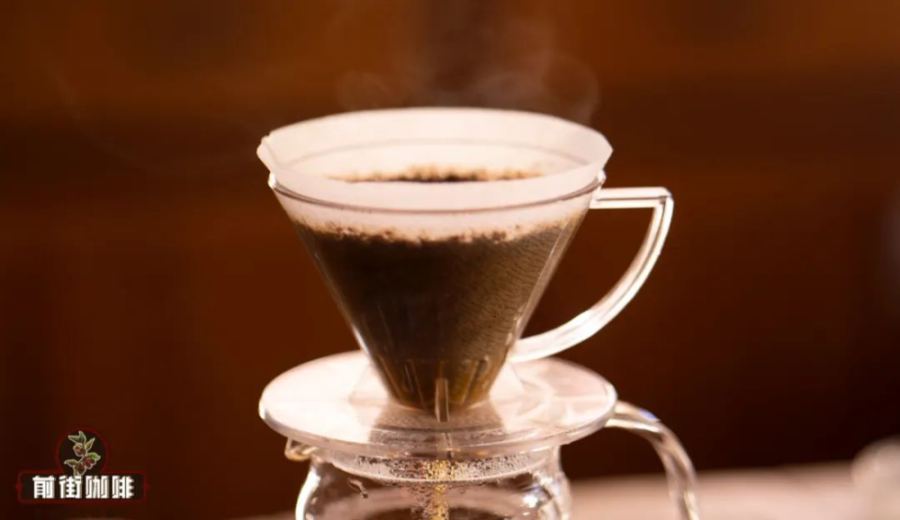
Introduction:When self-learning pour over coffee, many enthusiasts often affect flavor performance due to misunderstandings of basic principles. This article delves into five of the most common misconceptions, including over-reliance on brewing techniques, controversy over blooming timing, using bubbling to judge freshness, incorrect flow restriction to reduce bitterness, and blindly pursuing the Golden Cup standard. By clarifying the interplay between water temperature, grind size, and brew ratio, it helps coffee lovers establish correct extraction logic, allowing each coffee bean to showcase its unique flavor profile.
Stepping into the world of pour over coffee, facing a wealth of information and diverse techniques, without systematic understanding, it's easy to fall into deeply rooted misconceptions. These seemingly minor cognitive biases not only affect your grasp of extraction principles but also directly influence the final flavor in the cup. The following will comprehensively analyze five of the most overlooked key misconceptions, taking you back to the foundational logic to re-understand the art of pour over coffee.
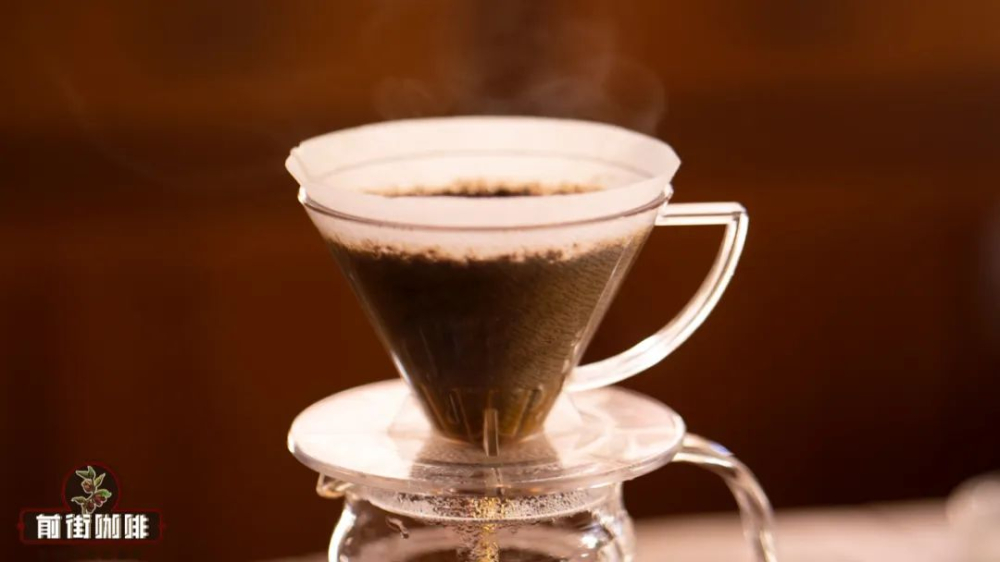
Many beginners, when first encountering pour over, often rush to try various brewing techniques, mistakenly believing that differences in technique are the main factor determining coffee flavor. In fact, whether it's center pouring, segmented extraction, or circular stirring, the core follows the same principle:heating an appropriate amount of hot water to the right temperature and performing proper extraction on coffee grounds of a specific grind size within a precise time frame.. If you only imitate surface actions without understanding the logic behind the parameters—such as why choosing 92°C water with medium-fine grind, or why using a 1:15 brew ratio—such techniques usually only apply to beans of specific roast levels or processing methods. When switching to high-altitude hard beans or naturally processed coffee, blindly applying them can instead lead to flavor imbalance.
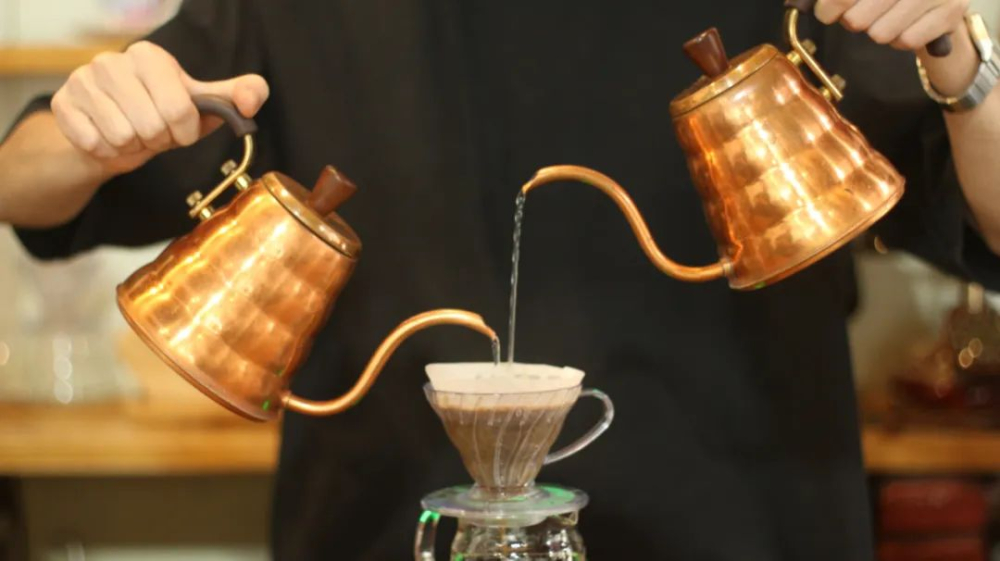
Before understanding the underlying logic of brewing techniques, you must first master the relationship among water temperature, grind size, and brew ratio. For example, light roast beans usually require higher water temperature (92-96°C) to bring out acidity, paired with medium-fine grind (e.g., 70-75% passing rate through a Chinese 20-mesh standard sieve) and slightly longer extraction time (2 minutes 30 seconds to 3 minutes); while dark roast beans suit lower water temperature (88-92°C) and medium-coarse grind to avoid over-extracting bitter substances. Only by first clarifying the interaction of these basic parameters can you truly master different brewing techniques.
Regarding the timing controversy during the blooming stage, many coffee enthusiasts have confusion: should the timer be started before or after pouring water? Due to differences in pouring speed (usually recommended at 2-3 milliliters per second), the time difference between the two can be 7-9 seconds, directly affecting the judgment of overall extraction time. According to professional standards, extraction time should be calculated from the moment the coffee grounds first come into contact with hot water—that is, start the timer the instant the blooming water is poured. The golden bubbles that appear on the surface of the coffee bed at this time mark the beginning of carbon dioxide release and thermal equilibrium with water, signifying the official start of flavor extraction.
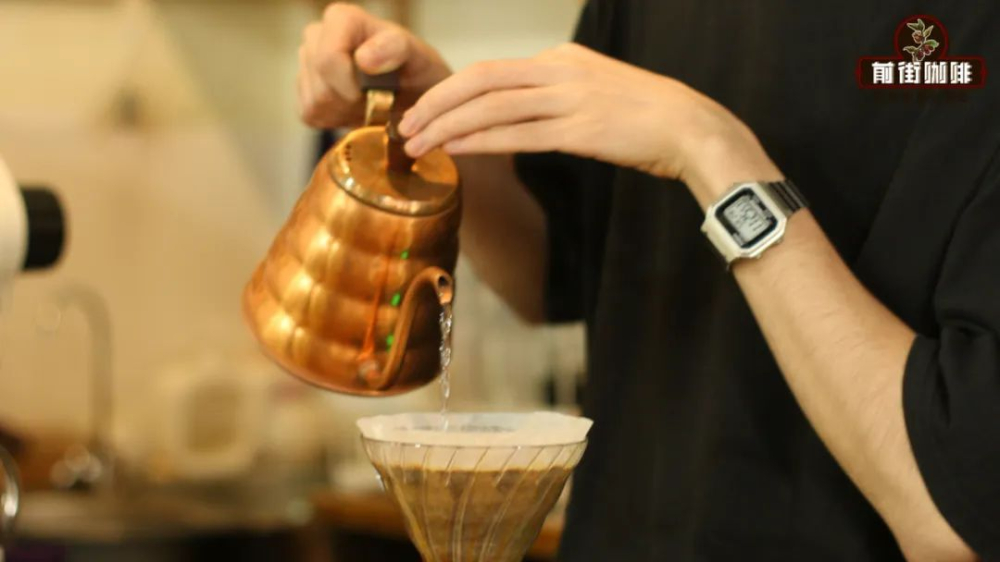
Another common misconception is using whether the coffee bed puffs up during blooming as the sole criterion for judging bean freshness. Most beginners believe that beans that do not form a clear "hamburger-like" expansion must not be fresh. In reality, the size of the puff mainly depends on the residual amount of carbon dioxide inside the coffee grounds—higher-density green beans produce more carbon dioxide after roasting, resulting in more significant expansion during initial blooming. But it's worth noting that excessive carbon dioxide can actually hinder the contact between hot water and flavor compounds, so some high-density premium bean varieties (such as Ethiopian Yirgacheffe G1) need to rest for 3-7 days after roasting, allowing gases to release moderately before brewing. At this point, although there may not be obvious puffing, it is the stage of optimal flavor performance.
Regarding the flow restriction operation on the tail end of the coffee liquid, many enthusiasts hold incorrect perceptions. So-called flow restriction (removing the filter cone before dripping is complete) is often mistakenly seen as a necessary measure to avoid bitterness. But in fact, the real cause of bitterness isoverall extraction efficiency being too high (usually exceeding 22%)—which may stem from too fine a grind, too high water temperature, or too long extraction time. Under normal circumstances, when the brew ratio is controlled at 1:15 to 1:16 and water temperature is maintained at 90-94°C, the tail-end liquid still contains rich sweetness and body. Instead of relying on flow restriction, it's better to optimize flavor balance by adjusting grind size (e.g., changing from 75% passing rate through a Chinese 20-mesh sieve to 70%) or shortening extraction time (from 3 minutes to 2 minutes 45 seconds).
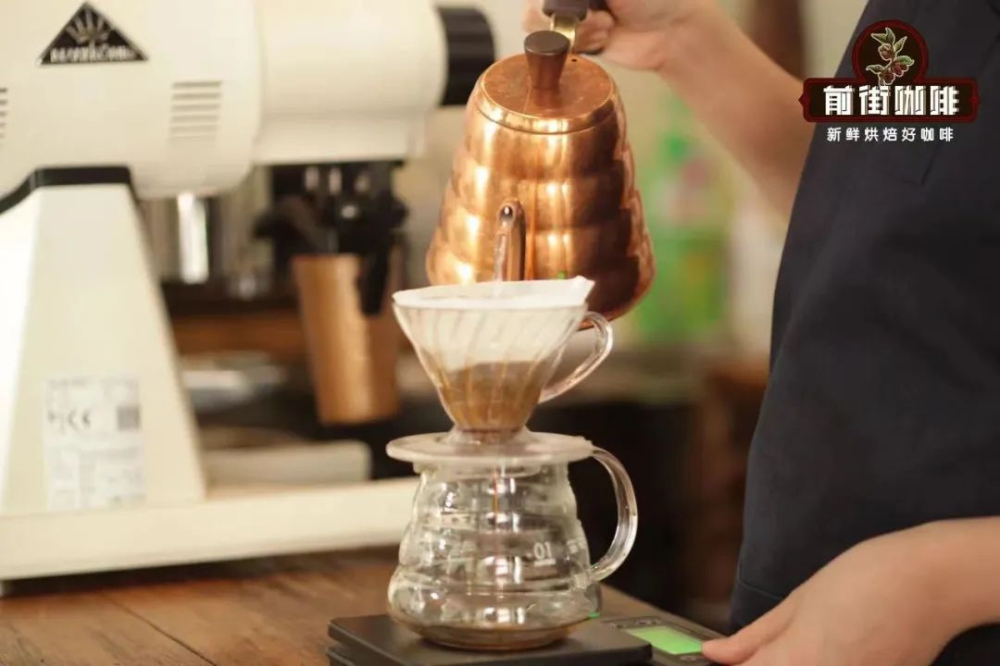
Finally, the over-reliance on the Golden Cup extraction standard is also debatable. The Golden Cup theory is indeed based on extensive taste preference research, defining the optimal extraction yield (18-22%) and concentration range (1.15-1.35%). But it must be made clear that this numerical range only represents the acceptance threshold for most people, not an absolute standard. For example, drinkers who prefer strong flavors may accept concentrations above 1.4%, while those who value bright acidity may lean toward lighter flavors around 1.1%. During actual brewing, it’s recommended to first set basic parameters based on bean characteristics (e.g., light roast beans using a 1:15 brew ratio and 93°C water temperature), then adjust through actual tasting—after all, the essence of coffee is sensory experience, and numbers are just auxiliary reference tools.
The above content is compiled by CoffeeHunters, a coffee news website.


