








Introduction:When brewing espresso, if extraction is accidentally stopped midway, can you restart the machine to complete it? This article tests three scenarios—full extraction, mid-way interruption, and near-end interruption—to deeply explore the practical effects of segmented extraction on the color, taste, and concentration of the espresso shot. It also analyzes changes in flow rate and extraction efficiency from the perspective of pressurized extraction principles, providing clear operational advice and flavor judgment references for both professionals and enthusiasts.
During the process of making an espresso shot, if an operation error causes the extraction to be stopped early before reaching the preset liquid weight, many baristas or enthusiasts might wonder: “Can I just press the button again to continue the extraction?” The answer is not as simple as it seems. This experiment will address this scenario by comparing three different extraction methods: normal full extraction, mid-way stop and continuation, and near-end stop and restart. It will detail how each stage of secondary extraction affects the final color, flavor profile, and concentration of the espresso.
The experiment used the Nuanyang Blend coffee beans, a widely used blend with a rich flavor profile. The beans were ground with a Galileo Q18 grinder set to a 1.2 setting, using a 1:2 coffee-to-water ratio—that is, 20 grams of coffee grounds to yield 40 milliliters of espresso. The first shot was brewed using the standard procedure, completed in one continuous run lasting about 30 seconds. The final shot exhibited the blend’s typical whiskey-like aroma, a buttery cookie-like rich base, and a slight natural acidity reminiscent of berries. Overall, it presented a balanced and full-bodied profile.

Next came the test for the mid-way interruption scenario. This espresso shot was stopped voluntarily at the halfway point of the target volume—20 milliliters—after 20 seconds of extraction, then restarted after a 2-second pause. The results showed that the remaining 20 milliliters of espresso were extracted in just 4 seconds, bringing the total extraction time down to 24 seconds. Observing the espresso, it was visibly lighter in color, with a thinner flavor profile. Although some aroma remained, the overall presentation lacked depth and complexity, clearly indicating an under-extracted result.

The third scenario involved interrupting the extraction near the end—at approximately two-thirds completion, when the total liquid reached 31 milliliters after 25 seconds. After a 2-second wait, the machine was restarted. The remaining 10 milliliters of espresso were extracted in just 2 seconds. While compared to the mid-way interruption sample, this shot had a relatively fuller body and more concentrated flavors, it still couldn’t match the fully extracted sample. Overall, it remained somewhat weak, especially in terms of aroma continuity and layering, showing a noticeable gap.

From this, it can be concluded that once extraction is interrupted during the espresso process, even if the machine is restarted after a brief pause for so-called “secondary extraction,” it is very difficult to effectively extract the residual flavor compounds and soluble solids from the coffee grounds. The core reason behind this lies closely in the pressurized extraction mechanism unique to espresso machines.
When the extraction process is started normally, the espresso machine provides about 9 bars of high pressure, forcefully pushing hot water through a tightly packed coffee puck. During this process, the high pressure not only facilitates the release of coffee substances but also gradually compacts the puck, creating a more uniform resistance. At the same time, carbon dioxide in the coffee grounds is released in large amounts upon initial contact with water, further increasing flow resistance. This allows the hot water to seep through the coffee bed at a slower and more stable pace, aiding in the thorough extraction of compounds.
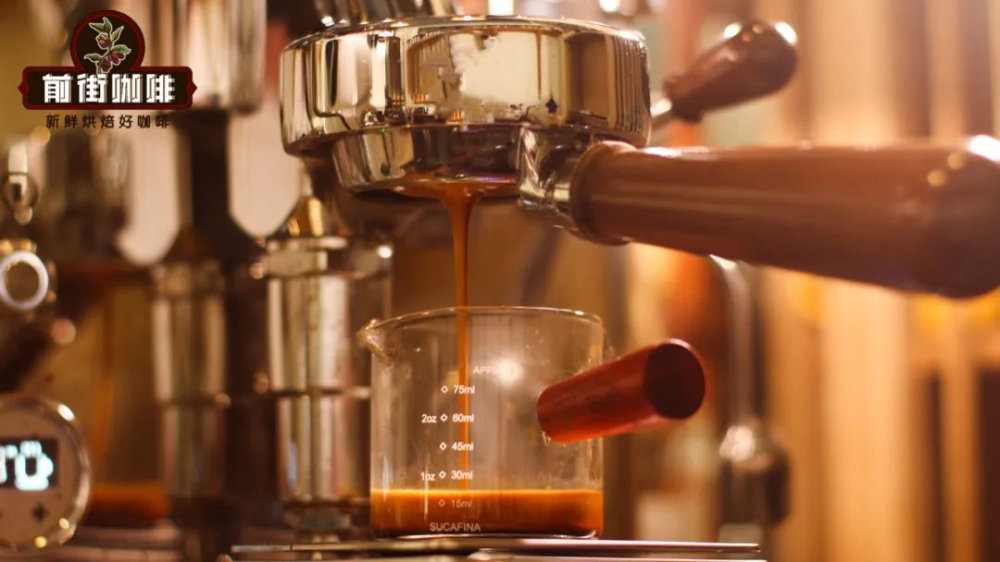
However, once extraction is stopped midway, the stable puck structure formed by the high pressure and carbon dioxide release instantly collapses. The effect of backflow suction quickly draws out the extracted substances from the surface of the puck, while the density of the already partially extracted puck also changes, significantly reducing the original resistance to water flow. If the machine is restarted at this point, the high-pressure hot water will rapidly pass through the newly formed unobstructed channels, resulting in extremely short contact time and very high flow speed. This not only fails to adequately extract deeper flavors but can also easily trigger channeling, leading to localized over-extraction and the production of burnt, bitter notes.
Therefore, if you accidentally stop the extraction while operating an espresso machine, it is recommended to grind and tamp fresh coffee grounds and perform a complete extraction process from the beginning. This ensures the consistency of the final coffee’s flavor and the stability of its concentration. Avoid attempting a secondary extraction on an already altered puck structure, as it may negatively impact the overall quality and flavor expression of the cup.
The above content is compiled by CoffeeHunters, a coffee news website.


