







Introduction:The globally renowned Blue Bottle Coffee is famous for its minimalist blue bottle image, yet it lost a trademark lawsuit in the United States. The court ruled that there was no likelihood of confusion between it and the Blue Brew brand, revealing key details in trademark protection. Understanding the differences between the two trademarks, the judge’s ruling rationale, and how brands can avoid infringement risks is of reference value for both coffee professionals and enthusiasts.
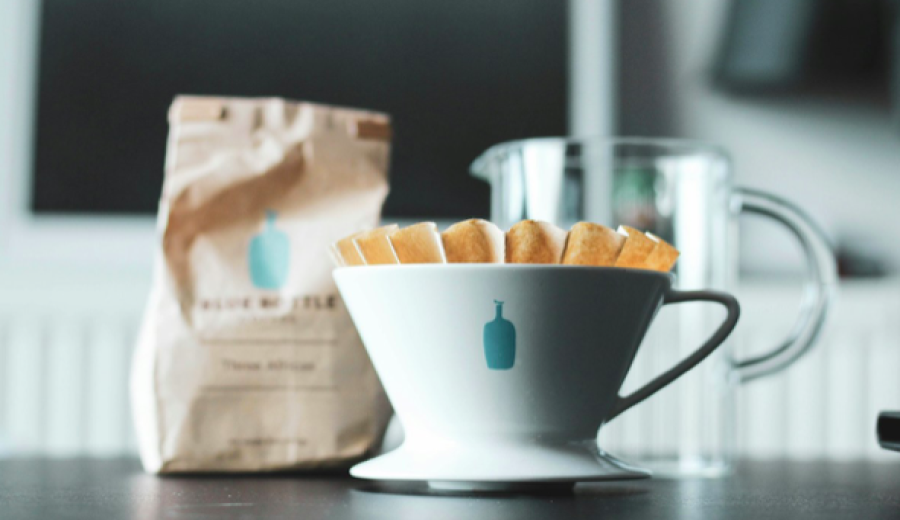
Known for its minimalist little blue bottle design, Blue Bottle Coffee has been hailed as the “Apple of the coffee world.” Its blue-and-white coffee accessories, such as insulated tumblers and filter cones, are beloved by fans for their high-end design aesthetics. However, the brand hasn’t always had smooth sailing when it comes to trademark protection. Recently, Blue Bottle Coffee lost a trademark lawsuit in the United States, where a federal judge in the Northern District of California dismissed its motion for summary judgment against the coffee equipment brand Blue Brew, concluding that the two trademarks are distinctly different and unlikely to cause consumer confusion.
The lawsuit originated in August 2021, when Blue Bottle Coffee accused Blue Brew of infringing on its 17 federally registered trademarks and trade dress. Blue Bottle claimed that Blue Brew’s name, trademarks, and trade dress violated its long-established trademark rights, particularly the use of the ocean blue color associated with the Blue Bottle mark (identified in court documents as Pantone 2995C). However, in a 55-page ruling, the court found no substantial evidence that consumers had ever or might confuse the two brands, Blue Bottle and Blue Brew.
Blue Brew is a part of Southern Technologies, LLC. Its trademark design is said to have been inspired by Jamaica’s Blue Mountain coffee-growing region. According to evidence submitted to the court, the company’s director mentioned having communicated with graphic designers about avoiding the specific shade of blue used by Blue Bottle Coffee, but emphasized that Blue Brew’s design is independent and intentionally distinct from other brands. Court documents show that Blue Brew uses shades including Pantone 305C and 2130C, which are clearly different from the Pantone 2995C used by Blue Bottle.
Blue Brew’s trademarks and packaging designs are applied to a range of coffee equipment, such as drip brewers and hand grinders. Although these products may resemble other models on the market, they do not constitute infringement. More importantly, these devices are packaged in boxes featuring two shades of blue, both of which are significantly different from the blue used in the Blue Bottle trademark. The judge determined that these differences are sufficient to prevent consumer confusion.
The court ultimately ruled that Blue Bottle Coffee lacked sufficient grounds to bring claims of trademark infringement and trade dress infringement against Blue Brew and dismissed its request to cancel Blue Brew’s registered trademarks.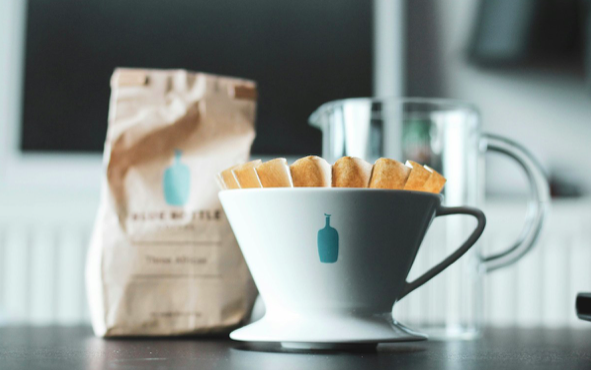 This ruling holds significant implications for Blue Bottle Coffee’s trademark protection strategy and also serves as a reminder that brands must provide more compelling evidence of potential confusion when seeking protection.
For coffee professionals and consumers alike, this case offers practical insights: trademark design should emphasize differentiation and avoid using overly similar colors and elements. At the same time, brands pursuing trademark protection need to prepare a detailed chain of evidence demonstrating actual risks of confusion. Understanding these nuances helps better safeguard brand rights in a complex market environment.
The above content is compiled by CoffeeHunters, a coffee news website.


