







Introduction:As the world’s second-largest coffee exporter, Vietnam is currently experiencing severe drought, with rainfall sharply declining in the central and central highland regions, and the Mekong River’s water level dropping to a record low in a century. This drought has not only drastically reduced Robusta coffee production but has also directly driven up global coffee prices. This article delves into the current drought conditions in Vietnam’s major producing regions, forecasts the expected decline in output, and explores the potential impacts on the global supply chain and coffee prices.
Recently, the price of Robusta coffee on the international market has risen markedly, primarily due to Vietnam—the world’s second-largest coffee producer—being gripped by a severe drought crisis. As the main global supplier of Robusta coffee, Vietnam’s declining output directly affects global inventory levels, further exacerbating the imbalance between supply and demand in the market.
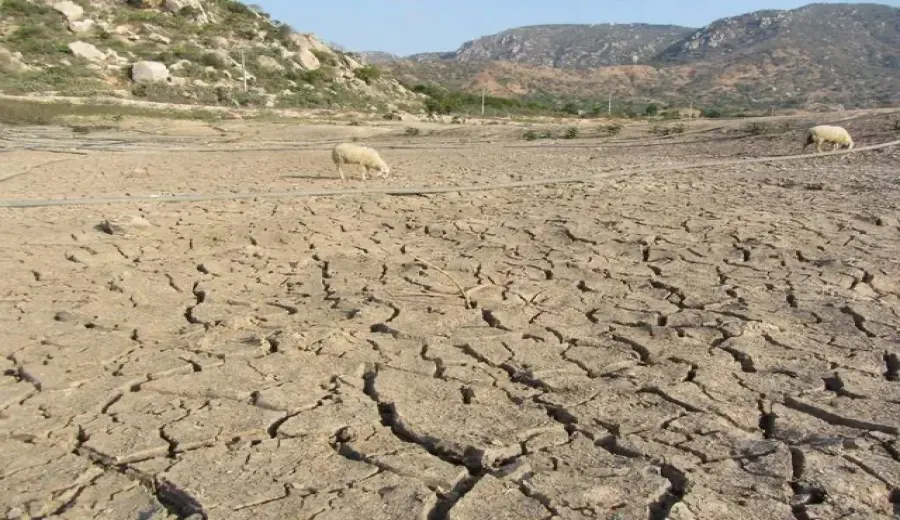
The Vietnam National Center for Hydro-Meteorological Forecasting has issueda Level 2 Drought Alertfor five central provinces: Quang Tri, Quang Ngai, Binh Dinh, Phu Yen, and Gia Lai,
and warned of potential natural disaster risks in these areas. Currently, these regions are not only receiving far less rainfall than in previous years, but river water levels have also generally dropped to historic lows.For example, in the central region, compared to the historical average, rainfall has generally decreased by10 to 20 millimeters, while the rainfall shortage in the central highlands is even more severe, with differences reaching up to30 to 70 millimeters. Moreover, some river water levels continue to drop: the latest data shows the Bu Gia River in Quang Nam Province at just1.41 meters, a record low; meanwhile, the Thu Bon River stands at only0.47 meters, which is0.09 meters
lower than the historical minimum.In addition, the Mekong River—the longest in Southeast Asia—has seen its water level fall belowthe lowest recorded level since 1926
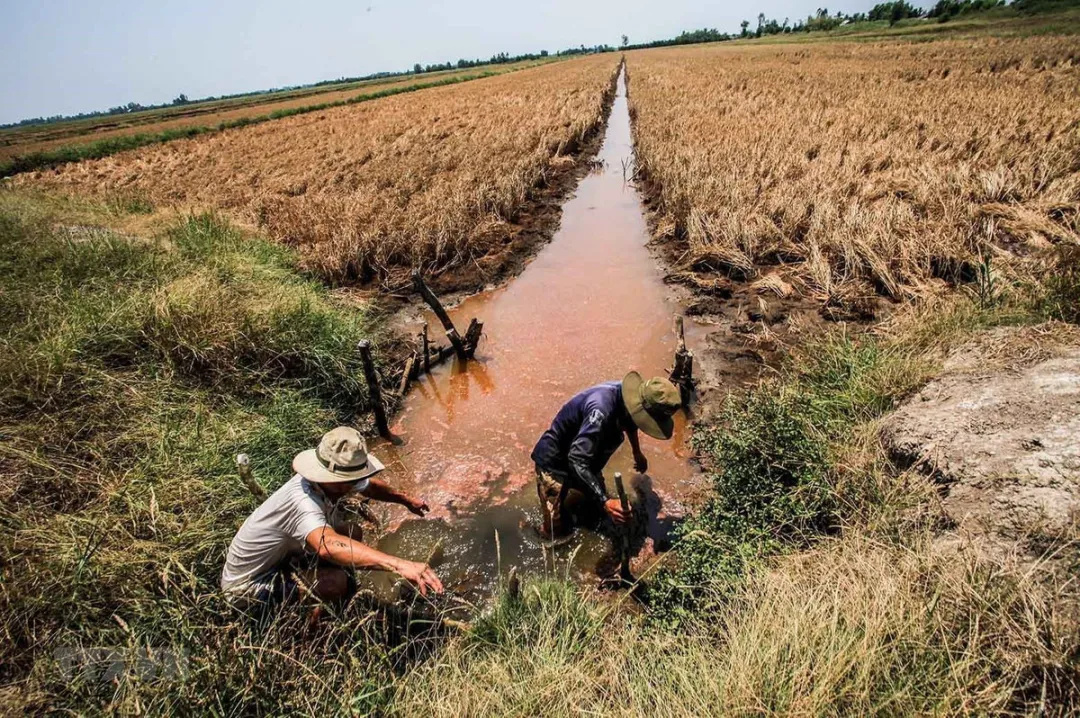
, further intensifying regional drought and land salinization issues, posing a serious threat to crop growth.Currently, it is the flowering period for coffee trees in Vietnam, but persistent high temperatures and water shortages have caused coffee plants to exhibitwilted leaves and yellowing
, among other adverse growth responses. Due to uneven and continuously scarce rainfall in many areas, some lakes and streams have dried up, leaving farmers facing severe shortages of irrigation water.According to the Vietnam Coffee - Cocoa Association, in some severely affected regions, coffee yield reductions could be as high as30% to 50%. Overall, the association estimates that this year’s total coffee output may decrease by approximately 20%compared to last year’s1.84 million tons, while export volumes may also decline by 20%
from the previous year’s1.67 million tons.250%A direct consequence of the sharp drop in production is the soaring price of coffee purchases. Currently, the local coffee purchase price in Vietnam has surpassed
120 million Vietnamese dong per ton
(approximately 34,000 RMB), a surge compared to last year,setting a recent high.Such intense price fluctuations are putting immense pressure on local traders, especially small and medium-sized businesses, who face the risk of tight cash flow. Many merchants are caught in a dilemma: maintaining original prices may lead to losses, but significantly raising selling prices could result in losing customers and order volumes.
The above content is compiled by CoffeeHunters, a coffee news website.


