








Introduction:On the eve of the physical education high school entrance exam, many parents, aiming to help their children stay alert, opted to purchase the popular "nitric oxide boosters" or "nitro pumps" — a type of sports supplement — only to find that several students experienced discomfort and even required gastric lavage. Just how much caffeine do these nitro pumps contain? What risks do they pose to teenagers? This article delves into the ingredients and safe dosage levels of nitro pumps, and offers safer alternatives for staying alert.
As physical education high school entrance exams are held across the country, many parents are searching for a “secret weapon” to help their children perform well. One such product, known as a “nitro pump,” has gained rapid popularity due to claims that it can “unlock potential and improve performance.”
The so-called “nitro pump,” originally called “pre-workout” in English, is a supplement typically consumed before training. Common ingredients include caffeine, creatine, and taurine. These substances stimulate the central nervous system, making users feel energized and responsive, thereby enhancing athletic performance. However, this type of product is essentially a legal stimulant designed for athletes, and the risks for teenagers who have never used such supplements should not be overlooked.
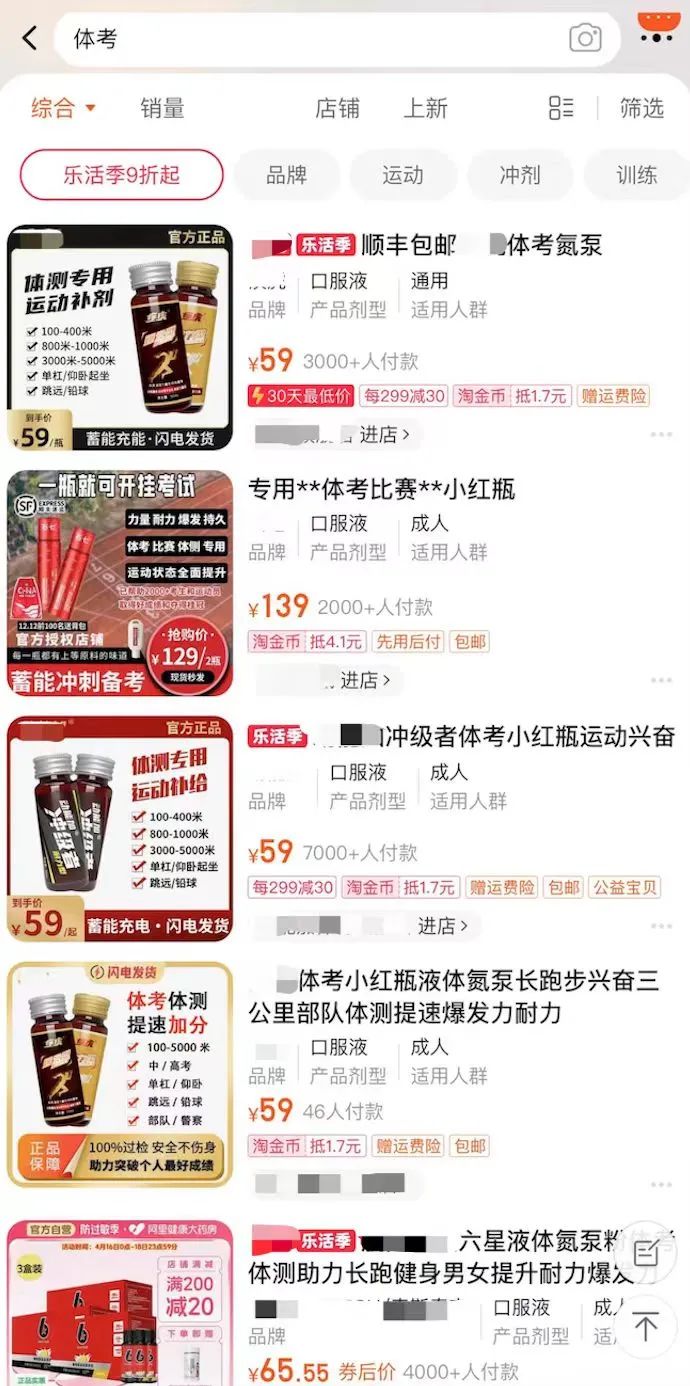
On social media platforms, many fitness enthusiasts share experiences of significantly improved performance after using nitro pumps, leading to these products being labeled as “exam-performance boosters.” Sellers have capitalized on this reputation to market them to parents of exam-takers. Motivated by the mindset of “gaining every possible point,” many parents have purchased these supplements, hoping their children will perform beyond their usual level during physical tests.
However, the reality has fallen short of expectations. According to media reports, numerous students have experienced symptoms such as palpitations, shortness of breath, stomach discomfort, and vomiting after taking nitro pumps. In severe cases, students had to be rushed to the hospital for emergency gastric lavage, causing them to miss their exams. These adverse reactions are primarily due to the excessively high caffeine content in nitro pumps.
Research indicates that consuming more than400 milligramsof caffeine in one go may lead to side effects such as palpitations, nausea, and anxiety. Yet, the caffeine content in commercially available nitro pumps is generally high, with some products containing as much as500 milligrams— far exceeding the amount typically found in regular coffee beverages. For teenagers without a history of regular caffeine intake, such doses can easily cause physical discomfort.
Professional fitness trainers and medical professionals alike advise that nitro pumps are high-intensity sports supplements and should be used under professional guidance. First-time users are recommended to start with a low dose to allow their bodies to gradually adapt, rather than taking the full dosage indicated on the product label. For the vast majority of students, taking the supplement according to package instructions without any prior tolerance often leads to intense side effects.
If the goal is simply to stay alert on the day of the exam, experts suggest considering gentler and more controllable alternatives, such as drinking a cup of coffee. A typical cup of coffee contains about80 to 150 milligramsof caffeine. While its stimulating effect may not be as strong as that of a nitro pump, it is safer and more suitable for the teenage body. Additionally, adequate sleep, a balanced diet, and proper warm-ups are also key factors in improving performance during physical tests.
In summary, while nitro pumps may provide a temporary boost in athletic performance, their high caffeine content poses real health risks to teenagers. Parents and students should approach various “exam-performance boosters” rationally and choose scientific, safe methods to prepare for the physical education high school entrance exam — avoiding unnecessary risks for minimal gains.
The above content is compiled by CoffeeHunters, a coffee news website.


