







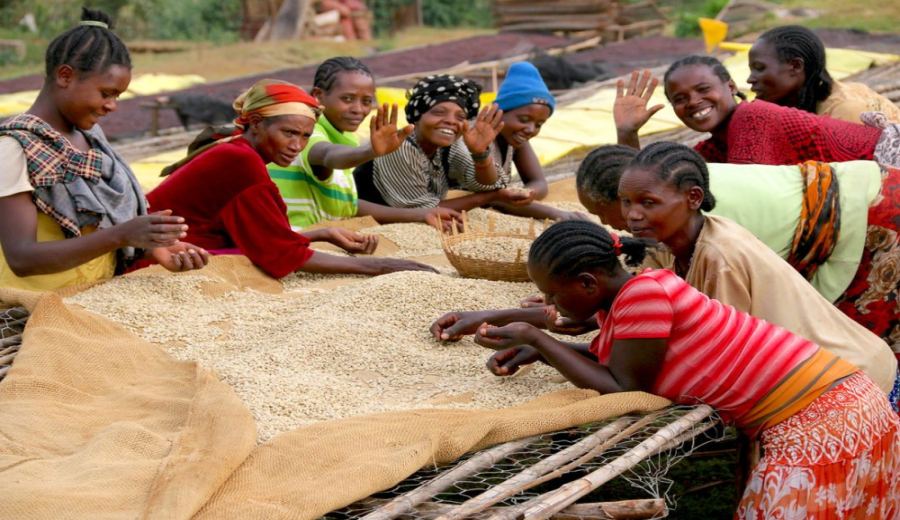
Introduction:Burundi, a high-altitude inland country known as the "Heart of Africa," boasts exceptional geographical conditions and meticulous washed processing methods that produce coffee beans with bright flavors and elegant acidity. This article will explore its flavor characteristics and regional differences by starting with the geography and climate, introducing the features of its main producing areas one by one, and detailing its unique double-washed processing method.
On the map of African specialty coffee, although Burundi is not as widely known as its neighbor Ethiopia, its coffee potential is highly recognized by professionals. As a small inland country in East-Central Africa, Burundi lies south of the equator. With its high-altitude terrain, fertile volcanic soil, and stable rainfall, it is an ideal place for growing high-quality coffee.
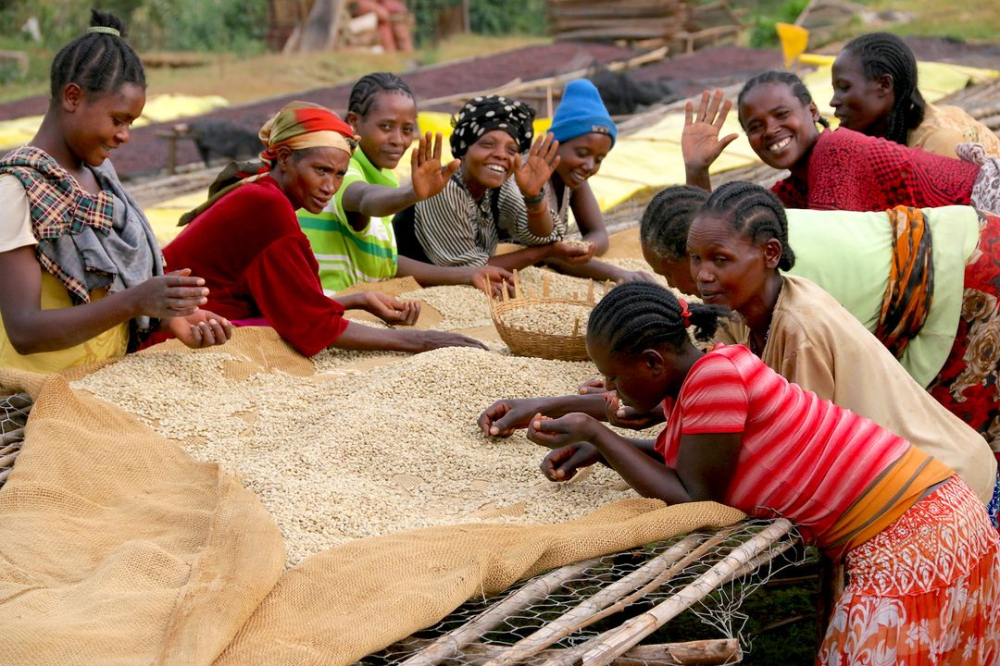
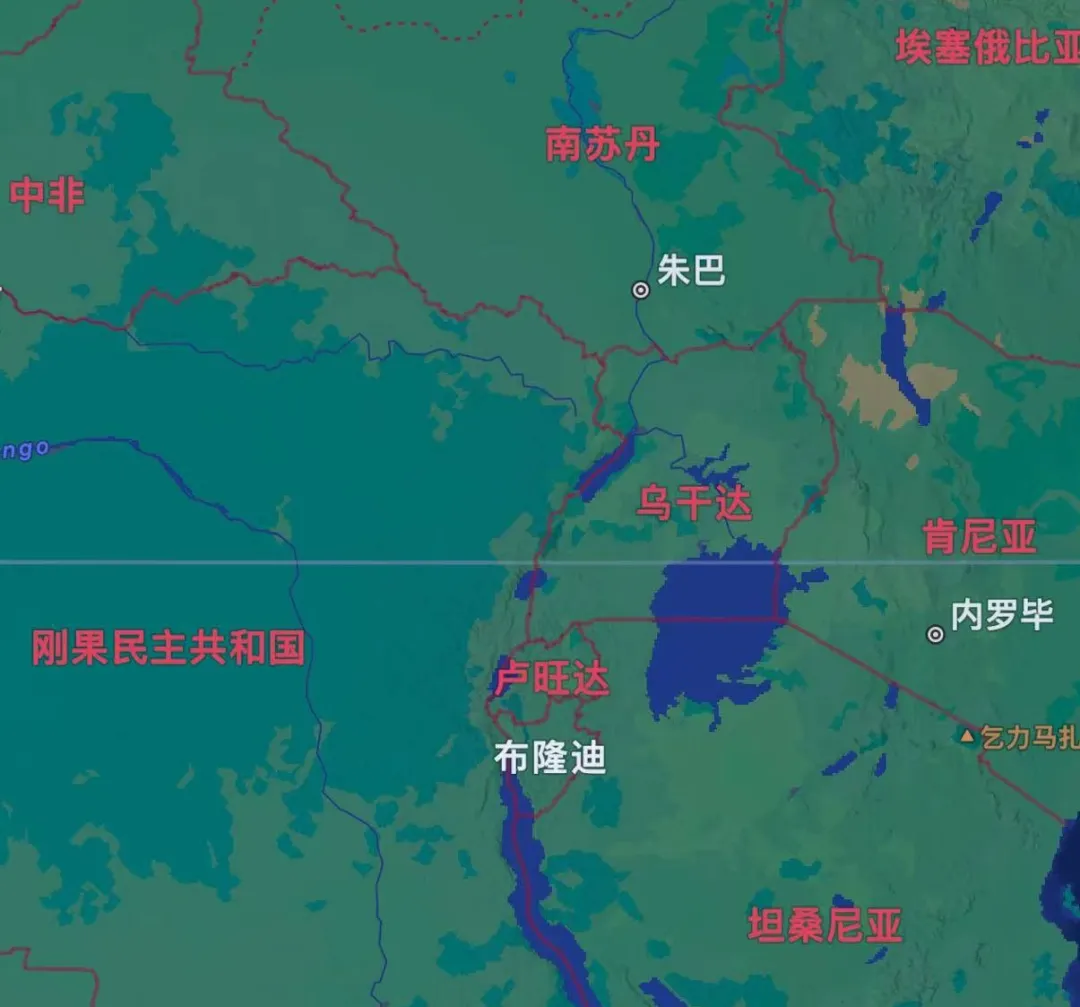
The Republic of Burundi, or simply Burundi, is located in East-Central Africa, south of the equator, covering an area of approximately 28,000 square kilometers. Its neighboring countries include Rwanda to the north, Tanzania to the southeast, the Democratic Republic of the Congo to the west, and Lake Tanganyika to the southwest — one of the world’s second deepest lakes. The overall topography of Burundi is dominated by plateaus and mountains, with most areas situated at elevations above 1,600 meters, and the climate exhibits both subtropical and tropical characteristics.
The design of the Burundian flag is rich in symbolism. The flag is divided into four triangles by two wide white stripes: the upper and lower sections are red, symbolizing the spirit of sacrifice in the struggle for national freedom; the left and right sections are green, representing hopes for future development; the central white circle contains three red six-pointed stars with green edges arranged in a triangular pattern, symbolizing "Unity, Work, Progress" as well as the harmonious coexistence of the country’s three main ethnic groups: the Hutu, Tutsi, and Twa.
The geography of Burundi can be roughly divided into three topographic regions, among which the western plains are the most prominent, especially along the Ruzizi River basin and the Albertine Rift Valley plains, which have vast arable land areas. Meanwhile, Lake Tanganyika in the southwest is not only the world’s second deepest lake but also an important geographical and cultural asset.
In terms of climate, Burundi can be divided into four distinct seasons: the long rainy season from February to May, the long dry season from June to August, the short rainy season from September to November, and the short dry season from December to January of the following year. The annual average rainfall ranges between 1,000 and 1,600 millimeters, and the high-altitude environment creates a cool microclimate suitable for coffee cultivation.
Burundi’s coffee-producing regions can be mainly divided into five areas: Buyenzi, Kirundo, Kirimiro, and Mumirwa. Among them, Buyenzi is the largest and most renowned producing region, further subdivided into the sub-regions of Kayanza and Ngozi, which are particularly outstanding in terms of quality. Overall, Burundi’s coffee harvest season is concentrated between April and July each year, and the industry remains primarily operated by smallholder farmers. Though on a modest scale, the production is highly refined.
The Buyenzi region is the country’s largest coffee-growing area, bordering Rwanda, with superior terrain and altitude conditions. Within this region, Kayanza and Ngozi generally have elevations ranging from 1,700 to 2,000 meters, with a mild climate and an average temperature of about 18°C, making it home to many specialty coffee farms. The area experiences a dry season in summer, which is conducive to the stable ripening of coffee cherries. As for Ngozi, though its output is slightly lower, it has shown promising quality potential in recent years and is gradually gaining market attention.
Kirundo is located in the northeastern part of Burundi, at an altitude of about 1,400 to 1,700 meters. Although its production is not high, its special geographical location and microclimate give it good development potential. Kirimiro is situated in the central mountainous region, with an average temperature between 12 and 18°C and an annual rainfall of about 1,100 millimeters, slightly lower than other major producing areas. However, this region houses a specialized coffee laboratory responsible for quality testing and technical support of exported coffee, reflecting its strict quality requirements. Mumirwa is located in the northern part, bordering Rwanda and the Democratic Republic of the Congo, with altitudes ranging from 1,100 to 2,000 meters, and climate and rainfall conditions similar to those of Kirimiro.

In terms of processing methods, Burundi primarily uses washed processing, accounting for about 80% of the total national processing volume, with the remaining 15% being natural (sun-dried) and 5% honey processed. A notable feature of Burundi’s washed processing is its use of what is called "double washed" or "double fermentation" technique, similar to the method commonly used in Kenya. This process involves two rounds of fermentation and two washes, helping to reduce impurities and enhance the purity of the flavors.
Specifically, harvested coffee cherries are first sorted to remove defective ones and then stripped of their outer skin. The beans, still coated with some mucilage, are then placed in upper fermentation tanks for initial fermentation (which may be wet or dry fermentation). The fermentation time varies depending on the climate, typically ranging from several hours to a day. Afterward, the beans are rinsed to remove most of the mucilage and transferred to lower fermentation tanks for secondary fermentation. During the secondary fermentation, the circulating water is regularly changed to prevent mold and off-flavors. Once the secondary fermentation is complete, the beans are rinsed again to remove residual mucilage, then soaked in clean water tanks for at least 12 hours before finally being sun-dried. This processing method helps highlight the coffee’s bright acidity and delicate sweetness.
For coffee enthusiasts who enjoy the vibrant acidity of African washed beans, the Kayanza region of Burundi is particularly worth trying. Its flavor profile often features layers of lemon, camellia, and honey, with a clean taste and a long-lasting aftertaste, making it an excellent choice for pour over coffee lovers.
The above content is compiled by CoffeeHunters, a coffee news website.


