







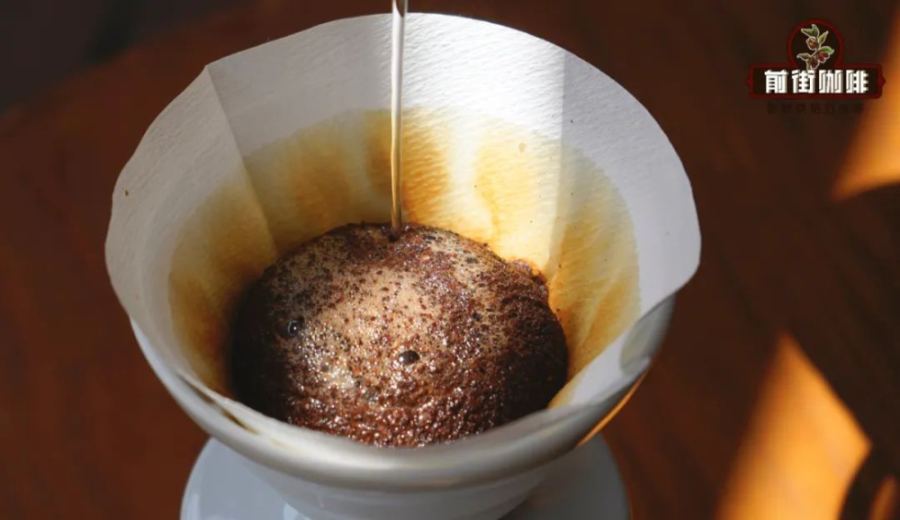
Introduction:During the blooming phase of pour over coffee, whether the coffee bed can puff up into a plump "hamburger-like" shape often puzzles many coffee beginners. Why do some brews produce tall, full coffee beds, while others end up flat or even concave—dubbed "steamed buns"? This is closely related to the roast level of the beans, their freshness, and extraction parameters. This article delves into the various factors affecting bloom expansion—from the mechanism of carbon dioxide release, oil distribution, to the interplay of temperature and grind size—to help you master more precise brewing techniques.
In the process of pour over brewing, whether the coffee bed forms a plump "hamburger-like" mound during the bloom stage is one of the key observations for many coffee enthusiasts. Some people notice a noticeable rise in the coffee bed with a three-dimensional shape after pouring water, while others find only slight expansion—or even a central dip and completely flat surface, commonly referred to as a "steamed bun." This difference is actually closely tied to the internal carbon dioxide content of the coffee beans, roast level, freshness, and brewing technique.
The primary function of blooming is to release the carbon dioxide accumulated during the roasting process. If these gases are not properly expelled, they can hinder the dissolution of flavor compounds during subsequent water infusion. When hot water contacts the coffee grounds, carbon dioxide is released due to heat and forms fine bubbles coated by the oils on the surface of the beans, thereby lifting the entire coffee bed and creating what we call the "hamburger" shape.
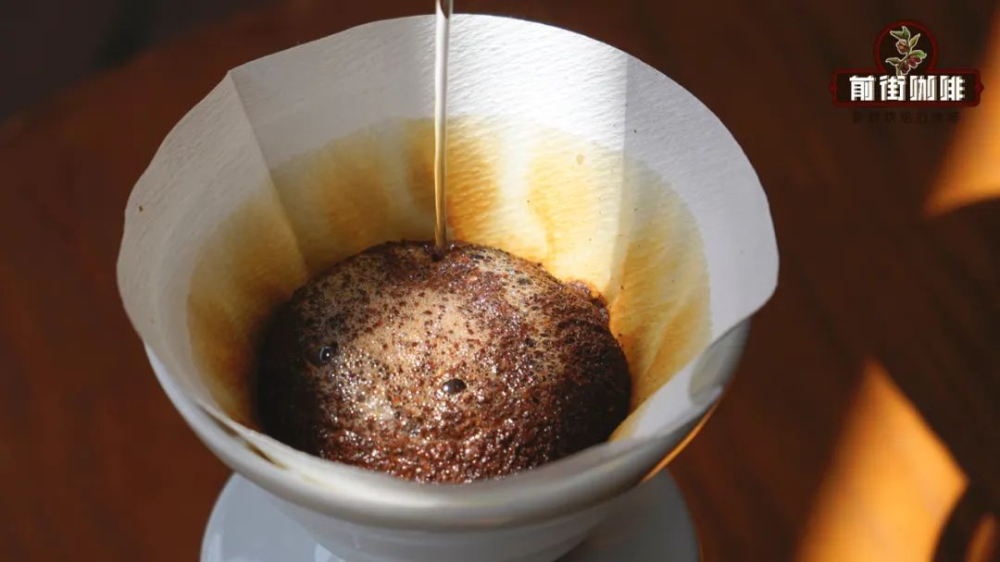
However, in practice, it’s not uncommon for the coffee bed to fail to expand properly. Some coffee grounds only rise slightly, while others show almost no change or even collapse. This often leaves brewers feeling frustrated. What are the factors that prevent an ideal bloom expansion? We need to start with the characteristics and processing methods of the coffee beans themselves.
First,the freshness of the coffee beansis a key factor influencing carbon dioxide content. Freshly roasted coffee beans retain more carbon dioxide internally, which can be fully released during blooming to form a plump mound. However, over time—even if unopened—the carbon dioxide in the beans gradually dissipates. Coffee beans stored for too long have noticeably less residual gas, so the coffee bed may only rise slightly or not at all during blooming, and in severe cases, may even collapse.
Additionally, besides affecting expansion, carbon dioxide also plays an important role in preserving coffee flavor. As the carbon dioxide inside the beans gradually dissipates, the aromatic compounds sealed within also escape, resulting in less complex flavor layers during brewing compared to fresh beans. Therefore, choosing freshly roasted coffee beans not only helps achieve better visual effects during blooming but also enhances overall flavor performance.
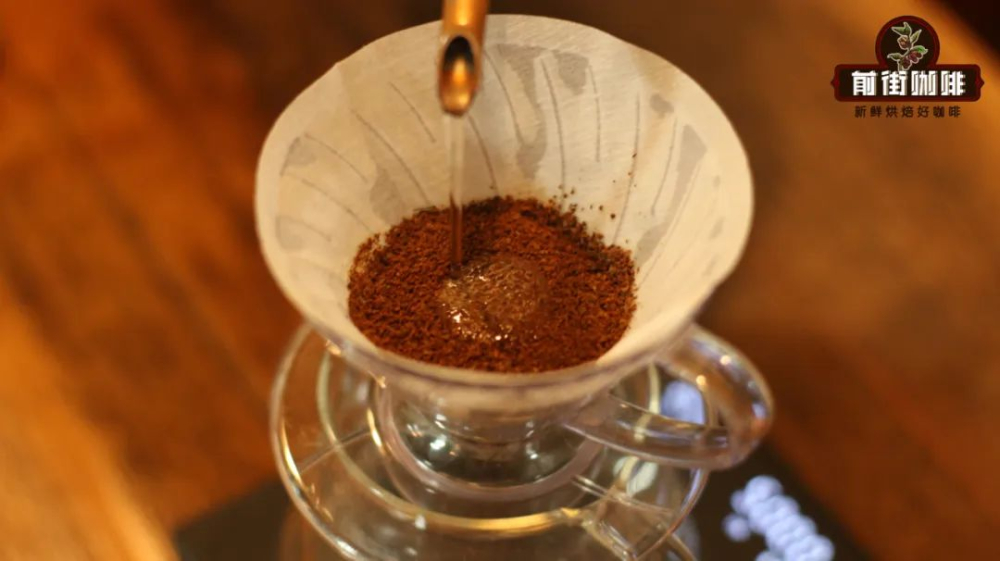
Second,the settings of extraction parametersalso significantly affect blooming results. Among them, water temperature and grind size are the two most important variables. It is generally recommended to use a pour over water temperature between 90°C and 96°C, which can be adjusted according to roast level. If the water temperature is too low, it cannot effectively stimulate the release of carbon dioxide, nor can it maintain optimal extraction efficiency, leading to insufficient bloom expansion. Similarly, if the grind is too coarse, the total surface area of the coffee grounds is reduced, slowing down the contact time between water and the interior of the coffee particles, which in turn affects the release of gases and flavor compounds. This may also result in an inconspicuous bloom expansion or even under-extraction.
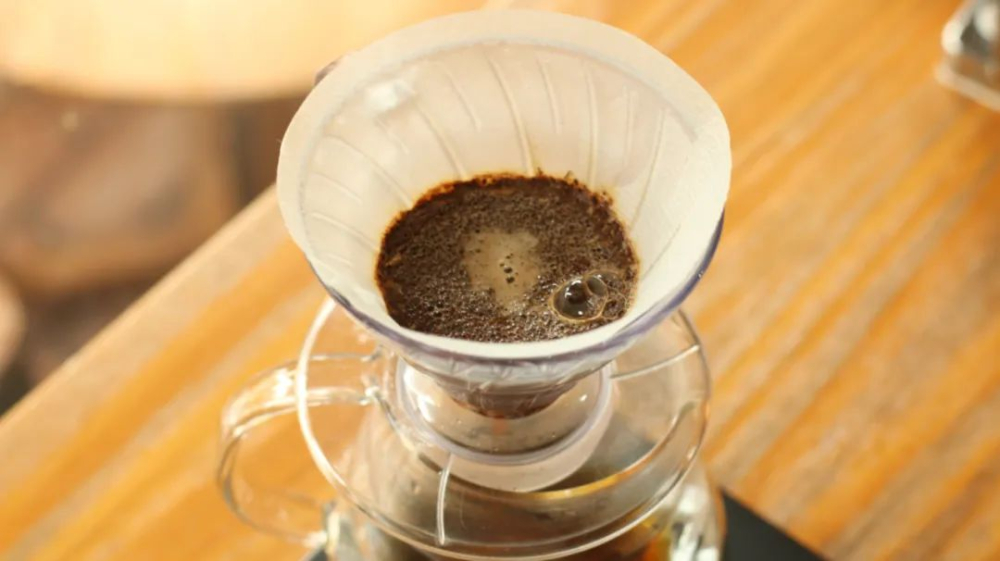
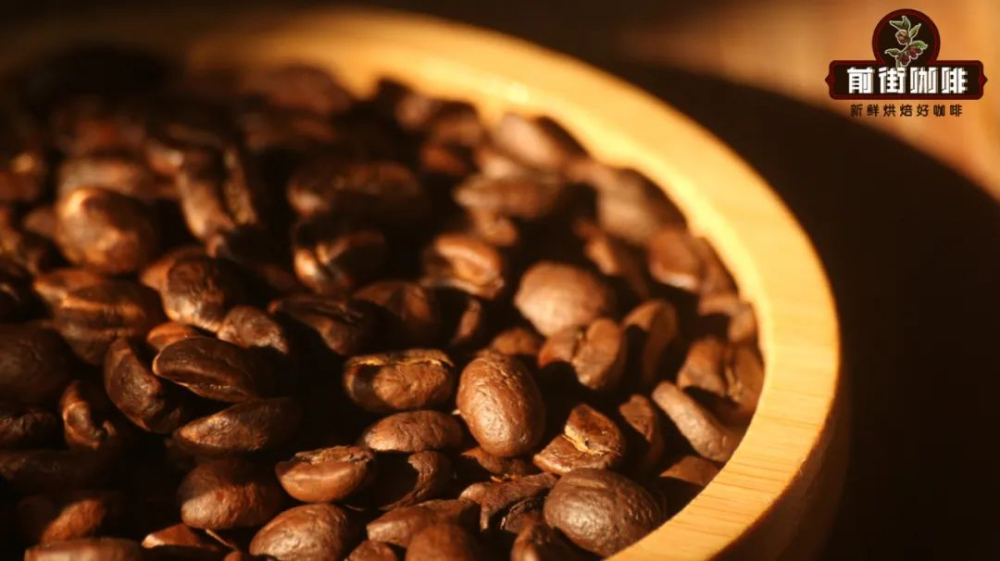
Furthermore,roast levelhas a decisive impact on the internal carbon dioxide storage and oil distribution of coffee beans. Dark roasted beans, due to longer roasting times and higher temperatures, have a relatively looser bean structure that can hold more carbon dioxide, and the bean surface also accumulates richer oils. These conditions are conducive to forming a full and stable "hamburger-like" coffee bed during blooming.
In contrast, light roasted beans, due to shorter roasting times, have a tighter bean structure, lower carbon dioxide production and residual amounts, as well as less oil distribution. Therefore, even if the beans are fresh and the grind and water temperature are properly set, the bloom expansion of light roasted beans is usually not as pronounced as that of dark roasted beans. This does not mean that light roasted beans are of lower quality—it is simply their inherent characteristic, making them more suitable for those who prefer a bright acidity and delicate flavors.
In summary, whether a plump hamburger-like coffee bed can form during blooming is not determined by a single factor, but rather the combined influence of freshness, roast level, water temperature, grind size, and brewing technique. Although the "plumpness" of the "hamburger" is often used as a reference for assessing bean condition, what matters more is the overall flavor performance after brewing. Beginners are advised to start by controlling the water temperature around 93°C, using a grind size close to medium-fine (such as sugar granule size), and selecting coffee beans roasted within one to three weeks, gradually mastering their own optimal brewing parameters.
The above content is compiled by CoffeeHunters, a coffee news website.


