







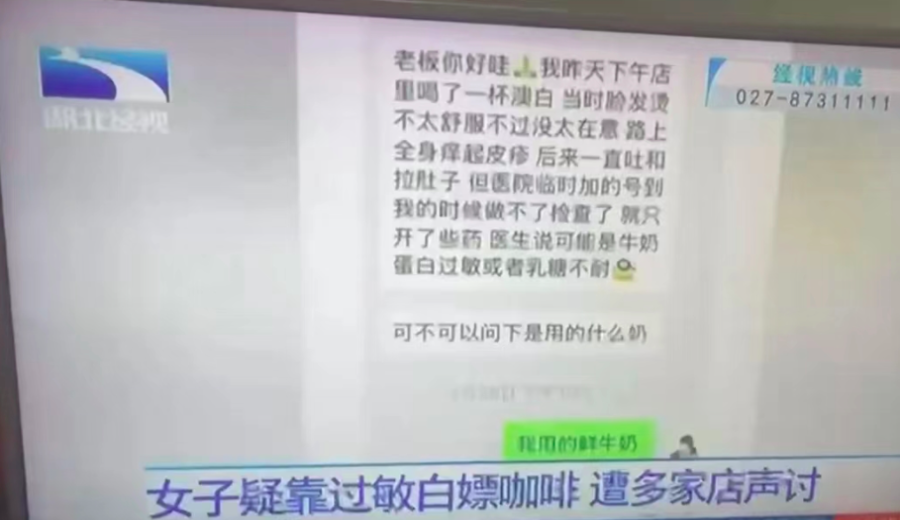
Introduction:A woman in Wuhan, who claimed to have had an allergic reaction after drinking coffee, demanded refunds from 41 coffee shops in a short period of time, shocking the industry. After the incident came to light, many coffee enthusiasts and tourists specifically visited the involved stores in support, and some shops even capitalized on the situation by launching a "Sister Allergy Same Drink" special, successfully attracting a large number of customers. This wave of store-visiting enthusiasm sparked by the controversial incident not only helped the affected shops recover briefly but also made us reflect on how the coffee industry should handle sudden crises and convert traffic.
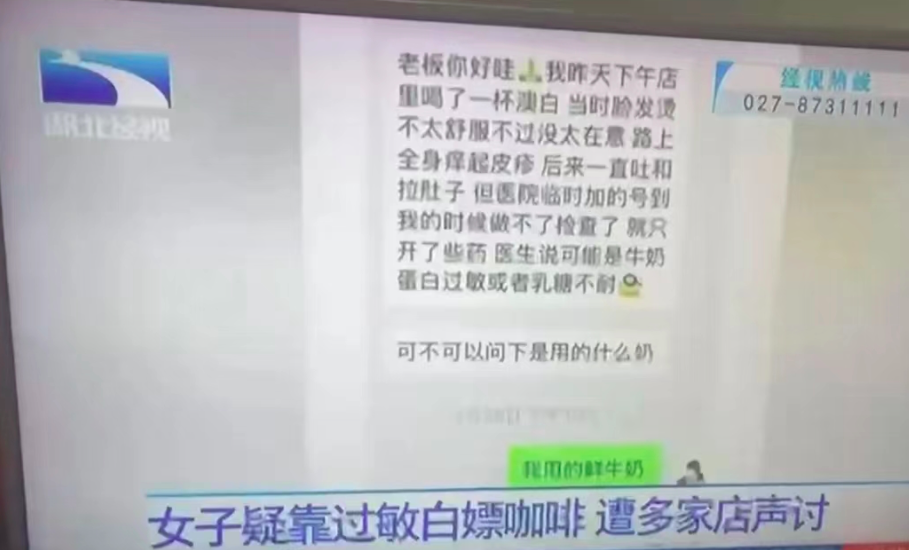
Recently, the Wuhan coffee scene has been thrown into turmoil by a customer nicknamed online as "Sister Allergy." It is understood that this customer claimed to have experienced allergic reactions after drinking coffee at multiple shops and demanded refunds from 41 coffee shops in a short span. Once the incident was exposed online, it quickly garnered attention—not only prompting the victimized shops to jointly report the matter to the police, but also unexpectedly igniting a wave of coffee shop exploration.
After the incident gained traction, many local coffee enthusiasts in Wuhan expressed dissatisfaction with "Sister Allergy’s" behavior and flocked to the involved stores to show their support by making purchases. Tourists from other regions, who learned about the news through social media platforms out of curiosity or sympathy, also added Wuhan to their travel itineraries, specifically coming to try the so-called "Sister Allergy Same Drink."
To make it easier for tourists to check in, netizens compiled a detailed list and map of Wuhan coffee shops involved in the allergy controversy, with some information even specifically highlighting potential allergens in the drinks to remind consumers. Many coffee shops that had previously served "Sister Allergy" quickly launched the same drinks and put up eye-catching posters in-store to attract customers. Even some unaffected shops took the opportunity to launch related themed events, such as playful slogans like "Thank You, Sister Allergy, for Not Drinking Here," successfully riding the wave of the trend.
This unexpected traffic boom resulting from a negative incident turned many coffee shops that previously had average business into popular check-in spots. Some shop owners reported a significant increase in orders recently, with some even temporarily suspending delivery services due to insufficient ingredient supplies while restocking. The owner of one coffee shop, which had originally planned to close in June, admitted that they never expected the "Sister Allergy" incident to suddenly bring in a flood of customers—not only filling the seats but also attracting many visitors from out of town.
However, some shop owners are taking a rational view of this short-lived craze, believing that although customer traffic has surged for now, converting these visitors into long-term returning customers remains a major challenge. They admitted that the current hype might just be a flash in the pan, and whether their businesses can sustain in the future still depends on the actual situation after the excitement dies down.
Industry insiders pointed out that although the "Sister Allergy" incident brought short-term exposure and customer traffic to Wuhan coffee shops, in the long run, shops still need to rely on stable product quality, good customer service, and brand trust to truly establish themselves in the market. This wave of traffic may be rare and unpredictable, but how to turn it into a sustainable business asset is the real question every coffee shop should ponder.
The above content is compiled by CoffeeHunters, a coffee news website.


