







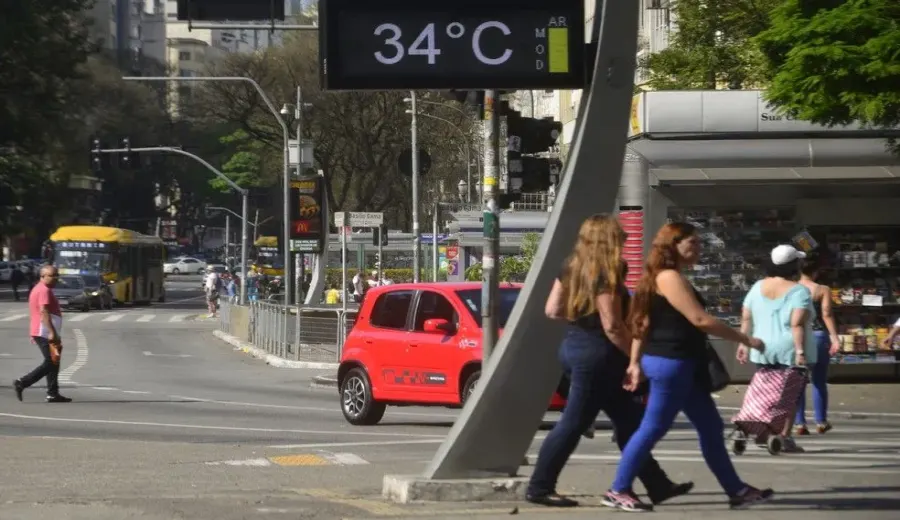
Introduction:As global climate anomalies intensify, Brazil’s major coffee-growing regions are facing an unprecedented autumn heatwave. This article delves into the real impact of the hottest May in 81 years on the growth cycle of coffee trees, with a special focus on the drought conditions in Minas Gerais and the variability in Arabica bean production. From extreme temperatures of 32.8°C to fluctuations in futures prices, it helps readers grasp the key connections between climate and market trends, along with practical reference parameters.
In recent years, frequent extreme weather events around the world have disrupted the growth cycles of crops, among which Brazil — the world’s largest coffee exporter — has drawn particular attention due to climate changes in its producing regions. In May this year, São Paulo, which should have been enjoying a cool autumn, recorded the highest temperatures for the same period in 81 years, with daytime temperatures soaring above 32.8°C and remaining consistently above 30°C, significantly deviating from the usual range of 18°C to 27°C for that month.
Meteorologists analyze that this abnormal heat is not caused by a single factor but is the result of multiple influences, including atmospheric blocking, residual effects of the El Niño phenomenon, and unusual activity of cold air in the Southern Hemisphere. In particular, strong dry and hot air masses have lingered over central Brazil for an extended period, not only blocking the cold air that should have moved south to regulate temperatures but also continuously pushing the accumulated hot air inland toward the central-eastern regions, creating a stifling high-pressure environment.
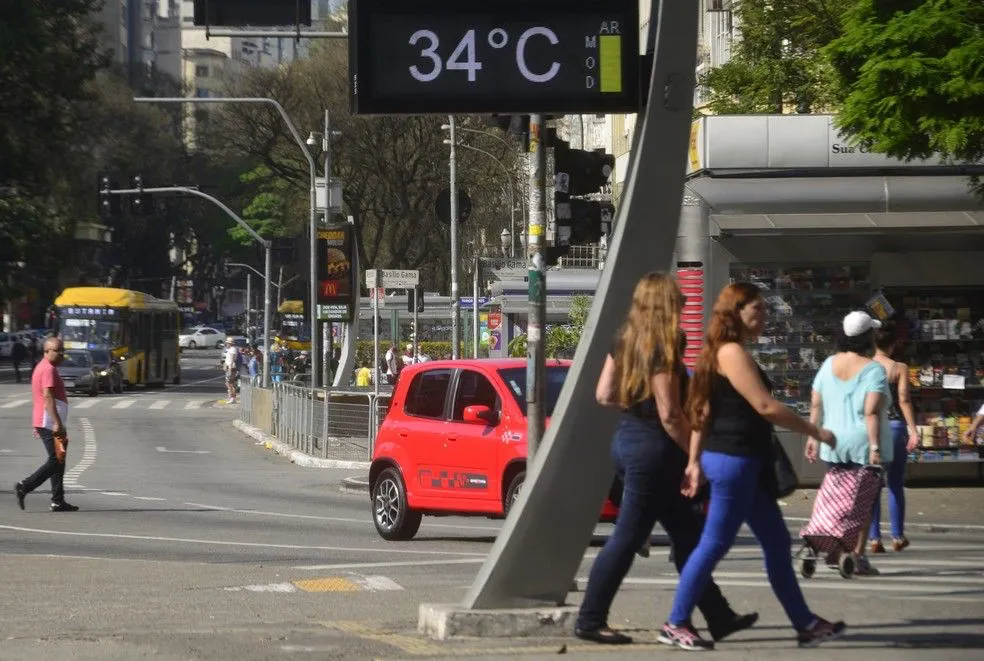
The impact of this heatwave on coffee-growing regions has been most pronounced in Minas Gerais. The state has not only experienced persistent high temperatures but also faced extreme drought conditions with zero rainfall — cumulative rainfall over the past few weeks has been 0% of the historical average for the same period, resulting in severely insufficient soil moisture. For coffee trees that require stable humidity, the combination of high temperatures and water scarcity directly disrupts the entire cycle of flowering, fruiting, and bean development.
It is worth noting that when coffee trees are exposed to temperatures exceeding 30°C, their physiological functions are significantly impaired: not only does the growth rate of new shoots slow down, but leaves are also prone to premature yellowing due to excessive transpiration. More critically, the fruit ripening process is forcibly accelerated. Although it may seem that the harvest period could be earlier on the surface, the actual accumulation time of flavor compounds within the beans is insufficient, which may ultimately lead to weaker acidity layers, muted sweetness, and even undesirable off-flavors in cupping evaluations.
Market data shows that due to the recent simultaneous increase in both production and exports from major producing countries such as Brazil and Vietnam, international coffee futures prices have seen a significant decline, and the Brazilian domestic spot market is also under pressure. Taking Arabica beans from Minas Gerais as an example, the current spot price is 1,170 Brazilian reais per bag (approximately 25 kg), which is slightly lower than the April high of 1,340 reais but still higher than the five-year average for the same period. As for the September pre-sale contract price, it has further dropped to 1,130 reais, reflecting market expectations of ample supply for the new season, though weather uncertainties still leave room for price fluctuations.
Professional institutions warn that as the current El Niño phenomenon gradually subsides, the La Niña phenomenon is likely to follow later in the year. The rapid alternation of these two extreme climate patterns will subject Brazil’s producing regions to more severe temperature fluctuations and uneven precipitation distribution in the future, posing potential threats to the long-term health of coffee trees and the stability of production capacity. For consumers, the next 1–2 production seasons may require extra attention to origin information and roasters’ procurement notes to avoid batches that may be affected by climate anomalies.
The above content is compiled by CoffeeHunters, a coffee news website.


