








Introduction:Sipping is a common tasting method used in professional cupping sessions, but many pour over enthusiasts have also started to try it. Can this technique enhance the everyday pour over experience? This article delves into the science behind sipping, compares its similarities and differences between cupping and pour over scenarios, and provides correct steps for execution to help you more accurately capture the aroma and flavor layers of coffee.
Sipping is an iconic tasting action in the professional coffee cupping process. By quickly drawing the coffee liquid into the mouth and atomizing it, not only can it amplify the subtle expressions of flavors, but it can also lower the liquid’s temperature through airflow, allowing both taste and smell to receive a more complete sensory input simultaneously. In recent years, with the popularization of specialty coffee culture, many pour over enthusiasts have also begun trying sipping during their pour over routines, hoping to better perceive the complex layers of coffee. So, is sipping really necessary for pour over coffee? How do the actual roles of this action differ between cupping and everyday brewing? Next, we’ll start with the definition of sipping, explore its core function in cupping, and further analyze its applicability and operational essentials in the pour over environment.

The so-called “sipping” refers to the act of quickly and forcefully drawing coffee liquid into the mouth, causing it to disperse in a misty state upon entering the oral cavity. This technique was first widely applied in the coffee cupping phase, mainly because it significantly enhances the identifiability of flavors. To minimize the interference of human handling on the inherent flavors of coffee, cupping typically uses higher water temperatures, coarser grind sizes, and relatively longer steeping times for extraction. While such methods help present the essential characteristics of coffee beans, they also result in a relatively lower concentration of extracted coffee liquid, with flavors not as pronounced as those in pour over coffee. Therefore, tasters often rely on the sipping technique—by atomizing the coffee liquid—to increase its contact area with the oral mucosa and taste buds, thereby intensifying the perception of aroma and flavor.
Once the coffee liquid is quickly drawn in and turned into a mist, its surface area increases substantially, and aroma molecules are released more fully. These volatile substances are not only captured by the taste buds in the mouth but also transmitted via the olfactory nerves at the back of the nasal cavity, delivering more nuanced scent information. In other words, sipping is not just a way of drinking—it is a comprehensive sensory experience that combines smell and taste, enabling the taster to more holistically understand the flavor profile of the coffee.
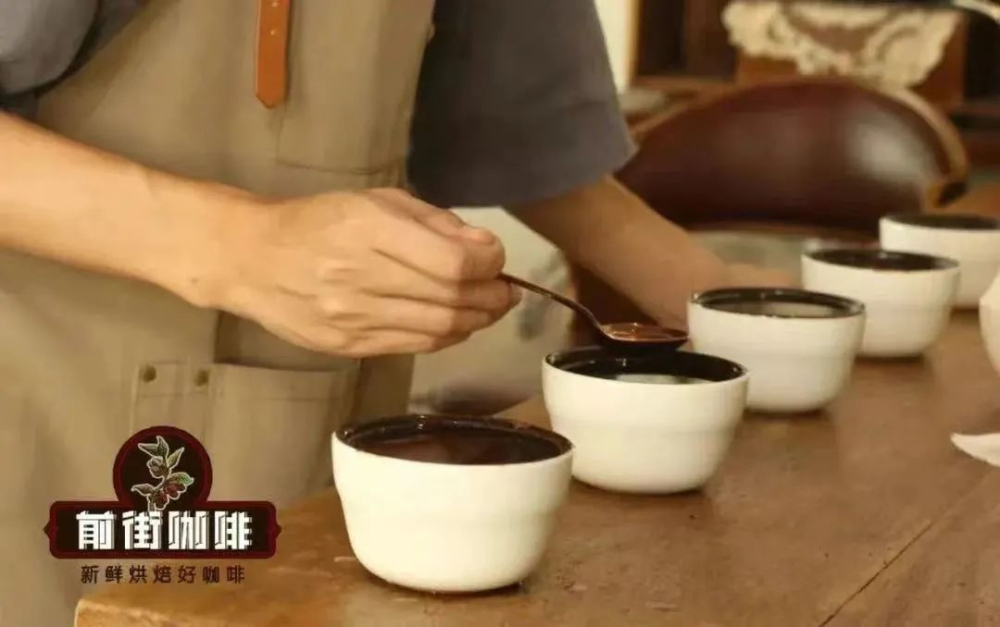
Beyond amplifying flavors, sipping has another important role: lowering the temperature of the coffee liquid. In the standard cupping process, the extraction water temperature is usually set to 94°C, and even after several minutes of settling, the liquid temperature remains above 70°C. Excessively high temperatures can dull our sense of taste, particularly suppressing the expression of acidity and bitterness, which affects overall flavor judgment. Through sipping, airflow can quickly carry away some of the heat, allowing the coffee to be tasted within a more suitable temperature range and thus enabling a more accurate assessment of its flavor performance.
As the sipping technique becomes more widely known, an increasing number of pour over coffee enthusiasts have also started trying this method in their daily consumption. However, unlike cupping, pour over coffee already incorporates more human-influenced variables during the brewing process, and the flavor layers of the coffee itself are often richer and more direct. Moreover, the temperature of the coffee liquid after pour over usually drops to a suitable drinking range, so for experienced drinkers, relying on sipping may not be necessary to perceive distinct flavor characteristics. But for beginners who are new to pour over, whose flavor perception abilities are not yet fully developed, sipping can serve as an effective auxiliary method to help them more quickly grasp the changes in coffee aroma and taste.
So, if you want to apply the sipping technique in a pour over setting, how should you execute it correctly? First, it’s recommended to slightly purse your lips to form a small gap, then use a spoon or small cup to hold an appropriate amount of coffee liquid and bring it close to the edge of your lower lip. Next, gently open your upper lip, take a strong inhale of air, and draw both the air and the coffee liquid quickly into your mouth to form a misty state. Immediately afterward, close your lips tightly, letting the coffee liquid spread evenly in your mouth while slowly exhaling through your nose to feel the release of aroma in the retronasal olfactory area. Though this series of actions may seem simple, it takes practice to master—especially controlling the force and angle of inhalation to avoid splashing or discomfort.

It’s worth noting that sipping produces a relatively loud noise, which can be especially noticeable in public settings or environments where multiple people are sharing drinks. Therefore, if you’re in a quieter or socially sensitive situation, it’s advisable to use this technique with caution to avoid drawing unnecessary attention. This is especially something to consider for those who are more introverted or prefer not to be the center of attention.
The above content is compiled by CoffeeHunters, a coffee news website.


