








Introduction:Many coffee enthusiasts are accustomed to preheating cups to maintain coffee temperature, but in recent years, an increasing number of professionals have discovered that using cups at room temperature or even chilled can better highlight the delicate flavors of coffee. Especially during hot summer months, chilled cups not only prevent scalding but also help drinkers perceive the layered aromas of coffee more clearly. This article will explore, through practical testing, the impact of chilled cups on both espresso and pour over coffee, to help you understand how temperature affects the overall coffee drinking experience.
Traditionally, we’ve always believed that preheating coffee cups helps slow down the cooling process, maintaining the optimal drinking temperature. However, as our understanding of the interaction between coffee flavor and temperature deepens, many baristas and roasters have started experimenting with serving coffee in cups at room temperature or even chilled—especially in hot summer weather. This approach not only avoids scalding but also helps drinkers capture the subtle aromas and flavor structures in coffee.
Sasa Sestic, founder of the internationally renowned coffee competition World Latte Art Championship, is one such pioneer. He found that a low-temperature environment could help accentuate the aromatic characteristics of coffee, leading him to develop the Paragon Ice Sphere—a tool that rapidly cools coffee right after extraction, making aromatic compounds more perceptible to the human taste system. Inspired by this, some netizens further speculated: if the cup itself used to serve coffee is chilled, could it achieve a similar flavor-enhancing effect?
A certain coffee branddecided to conduct its own experiment, using chilled cups to prepare both espresso and pour over coffee, to observe whether low-temperature cups could truly have a tangible impact on the overall flavor profile of the coffee.

Under normal circumstances, the main purpose of preheating coffee cups is to reduce the problem of rapid temperature drop when coffee is poured into a cup that is too cold. By heating the cup, the temperature difference between the coffee and the cup is minimized, allowing the coffee to stay at a higher temperature for longer during drinking. This indeed helps maintain a smoother mouthfeel.
However, as more consumers and professionals begin to focus on the flavor expression of coffee, rather than just the tactile sensation of temperature, the practice of serving coffee in cups at room temperature or even chilled is gradually becoming more common. Especially in summer, using cups at room or lower temperatures not only prevents the coffee from being too hot but also allows the palate to more sensitively detect the complex acidity, sweetness, and aroma layers in the coffee.

To verify the actual impact of chilled cups on coffee flavor, the experiment used two common brewing methods: espresso and pour over coffee. These two methods differ significantly in extraction parameters and the resulting flavor profiles, thus allowing for a more comprehensive evaluation of the effects brought by low-temperature cups.
First, the experiment focused on espresso. The freshly extracted espresso was poured into a pre-chilled ceramic cup, and its performance was observed. The test found that due to the initially low temperature of the cup, the espresso cooled down noticeably faster upon contact, which may affect the volatility efficiency of its aromas. However, some tasters pointed out that in a low-temperature environment, certain fruit acids and floral notes—originally masked by high temperatures—became more prominent.

Next was the pour over coffee part of the experiment. Pour over coffee is typically brewed between 88°C and 94°C, and it is generally recommended to use preheated cups to ensure the best drinking experience. However, for this test, chilled glass cups were deliberately chosen as the serving vessels. It was observed that the freshly poured hot coffee underwent significant heat exchange with the chilled cup, causing the coffee to cool down rapidly to around 60°C—a temperature range often considered the “golden zone” by many professionals for best appreciating coffee aromas and flavors.
Notably, although the coffee cooled down quickly, some participants in the test noted that at this temperature, it was easier to discern honey-like sweetness, citrus acidity, and a mild nutty finish in the coffee. The overall flavor profile seemed clearer than expected.
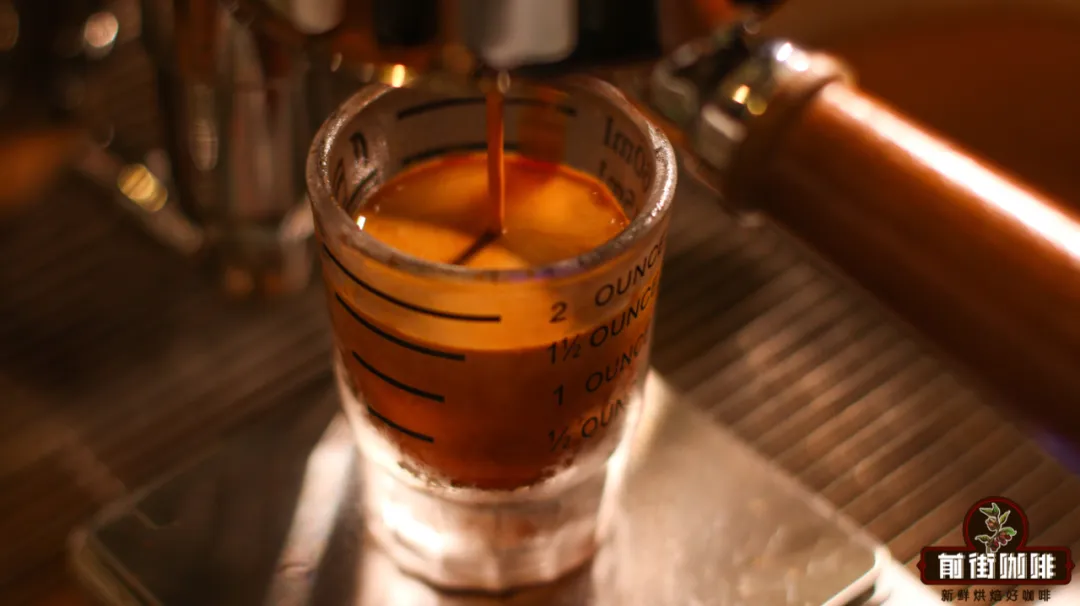
In summary, although chilled cups accelerate the cooling of coffee, under certain conditions—such as the ideal drinking temperature range for pour over coffee—this cooling effect can actually be beneficial. Additionally, low-temperature cups help suppress some impurity odors that volatilize at high temperatures, making the main body of the coffee’s aroma more concentrated and clear. However, for consumers who prefer a richer mouthfeel and the expression of high-temperature flavors, chilled cups may not be the first choice.
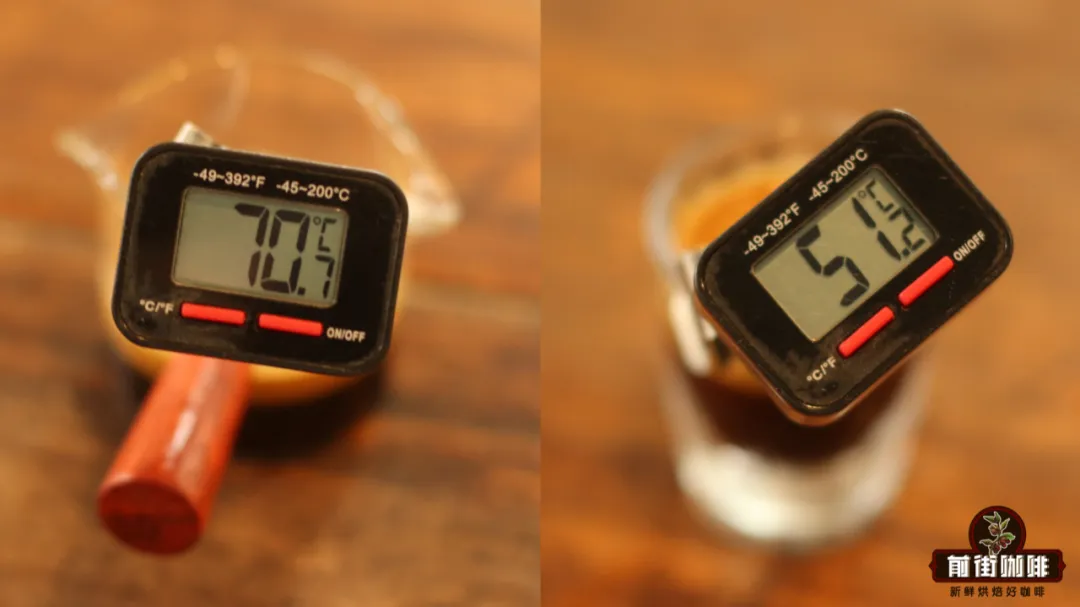
In conclusion, whether to preheat your coffee cup or opt for one at room or chilled temperature ultimately depends on the flavor profile and drinking experience you’re aiming for. In summer or hot environments, appropriately adjusting the cup temperature can not only enhance overall drinking comfort but may also help you discover new details and layers in your coffee that you hadn’t noticed before.
The above content is compiled by CoffeeHunters, a coffee news website.


