







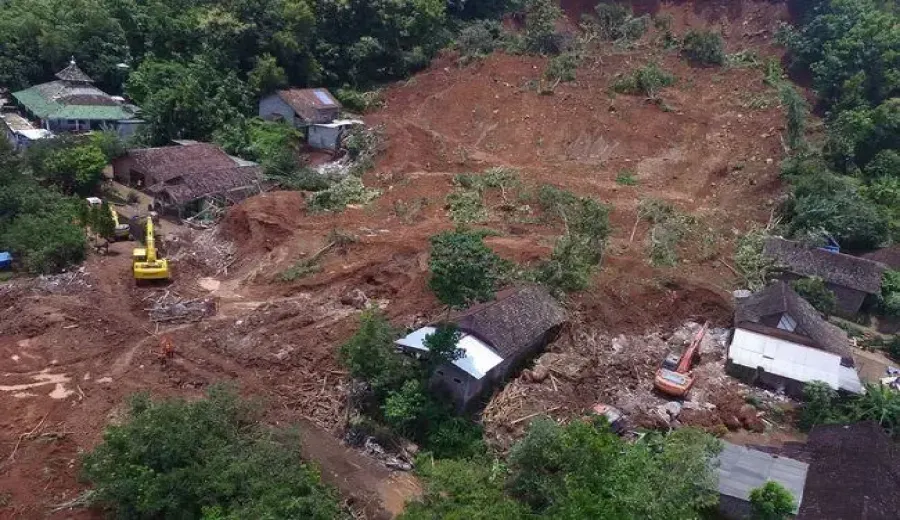
Introduction:Recently, heavy rainfall has triggered severe floods and landslides in South Sulawesi, Indonesia, causing extensive damage to the region’s Robusta coffee production areas. Farms and infrastructure that were in the midst of harvest have been hit hard. This article provides an in-depth analysis of how the disaster is impacting the global Robusta supply chain, explores future coffee price trends, and offers purchasing advice to help readers stay on top of market developments.
Extreme weather events have been frequent across Asia recently, with Indonesia being one of the hardest-hit regions. From West Java to Sumatra and on to South Sulawesi, persistent heavy rain, flooding, and landslides have severely impacted multiple local industries, with the coffee sector bearing the brunt. Particularly in districts such as Luwu, Soppeng, and Sidrap in South Sulawesi, the rampant floods have caused serious damage to roads and bridges, submerged vast areas of farmland, and presented unprecedented challenges to Robusta coffee production.
According to data from Indonesia’s National Disaster Management Agency (BNPB), South Sulawesi province — the worst-hit area in this disaster — has seen over 1,800 houses affected, with at least 15 people tragically losing their lives. Moreover, the main transportation networks in the region have also been damaged, further hindering the transport and harvesting of agricultural products. It is worth noting that these affected areas are key Robusta coffee-producing regions in Indonesia, and as the current disaster coincides with the coffee bean harvest season, its impact has been even more significant.
Local producers have reported that due to abnormal weather patterns in Indonesia this year — including periods of extreme heat and drought followed by continuous heavy rainfall — the growth cycle of coffee plants has been severely disrupted. Although April is typically the dry season, meteorological forecasts indicate that due to ongoing climate instability, the dry season may be delayed. This not only risks further affecting the maturation and harvest of coffee beans, but also increases the likelihood of disasters such as flash floods and landslides.
The industry generally estimates that the disaster will lead to a production decline of around 20% for Robusta coffee in some islands, and the national total output could even drop sharply by up to 50%. Since Robusta coffee is mainly used as a raw material for instant coffee and ready-to-drink beverages, any continued tightness in supply is expected to further drive up international coffee bean prices, posing a non-negligible impact on the global coffee supply chain.
It is noteworthy that although some Arabica varieties are also grown in South Sulawesi, the direct impact of this disaster on specialty Arabica producing areas has been relatively limited, with losses concentrated mainly in Robusta-growing regions. For consumers who prefer Robusta coffee with its bold flavor profile, featuring nutty and chocolatey notes, it is advisable to look for beans from stable producing areas in Indonesia. These products typically have a rich and sweet character, making them suitable for everyday drinking.
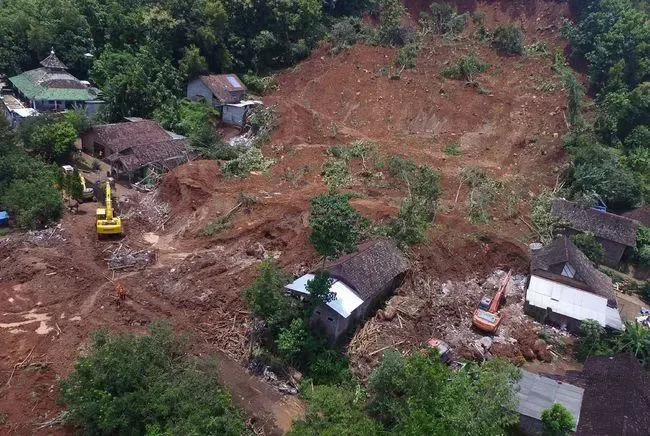
Indonesia comprises multiple provinces, among which Sulawesi Island includes six administrative regions: East, South, West, North, Central Sulawesi, and Gorontalo. In addition to coffee, South Sulawesi also produces a variety of crops such as rice, corn, and coconuts. However, the impact of the recent floods has been particularly severe on the coffee-growing areas. As the harvest season progresses, the industry is closely monitoring subsequent weather changes and recovery progress to assess the long-term effects on the global coffee market.
The above content is compiled by CoffeeHunters, a coffee news website.


