








Introduction:As the world’s largest coffee-producing country, Brazil is widely loved for its consistently high-quality beans and affordable prices. This article delves into Brazil’s geographical environment and climate characteristics, and provides a detailed introduction to its four major producing regions: Paraná, São Paulo, Minas Gerais, and Espírito Santo. It also recommends beginner-friendly beans including the Cerrado Red Bourbon, analyzing their processing methods, brewing suggestions, and flavor profiles to help you fully grasp the essence of Brazilian coffee.
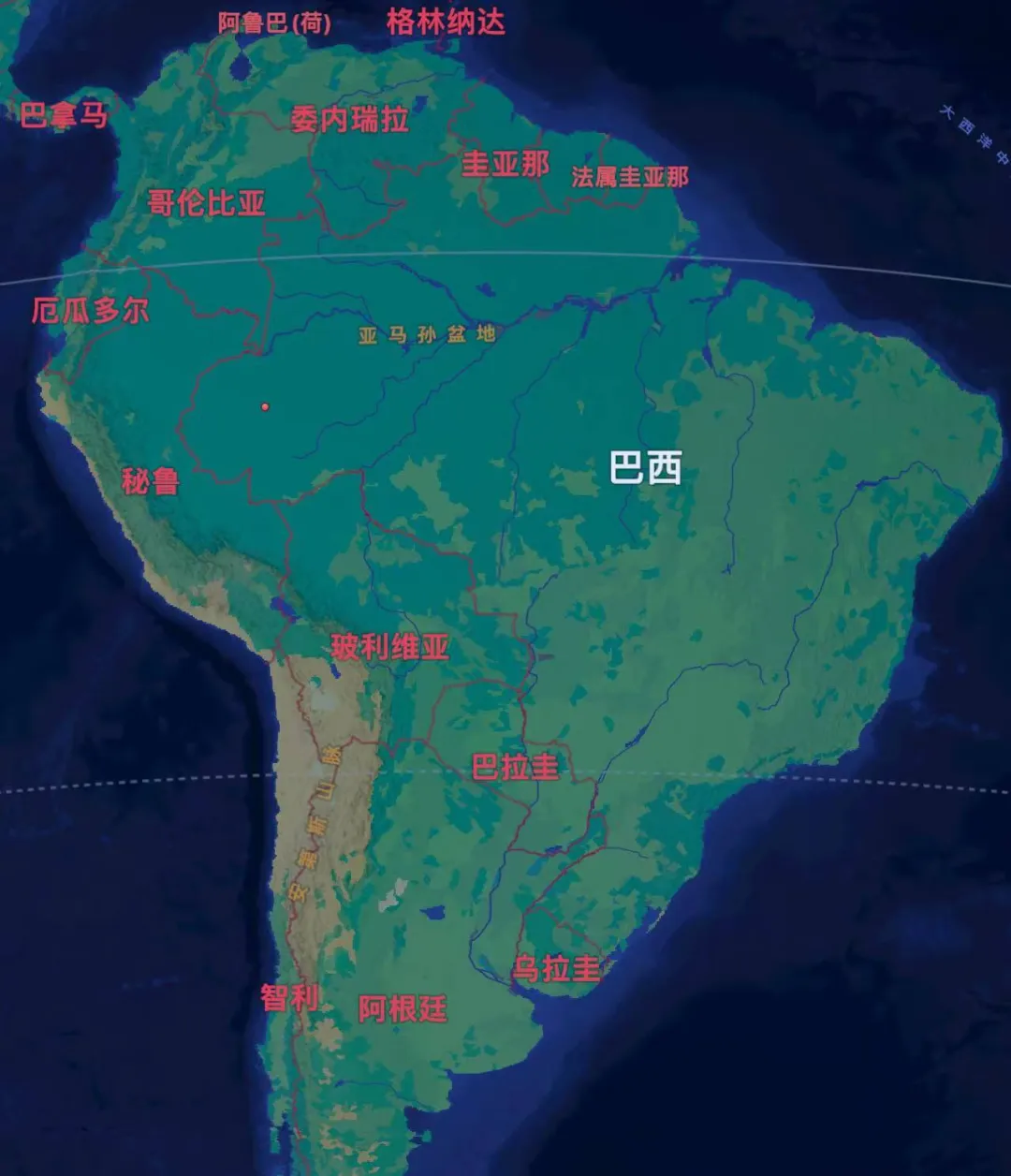
Brazil is not only the largest country in South America by area but also the world’s top coffee producer, covering a total area of 8.5149 million square kilometers and bordering ten countries including Uruguay, Argentina, and Peru. Its flag features a green background with a yellow diamond in the center containing a deep blue globe adorned with 27 white five-pointed stars, representing the country’s 26 states and 1 federal district. The arrangement of the stars faithfully recreates the night sky on the day the new Brazilian government was established in 1889. Green symbolizes the vast forests, while yellow represents abundant mineral resources—elements that indirectly reflect Brazil’s strong agricultural and resource base.
Brazil’s terrain is mainly divided into two major regions: the Brazilian Highlands and the Amazon Plain. The Highlands account for about 60% of the country’s area, with elevations mostly above 500 meters, while the Amazon Basin is dominated by low-altitude plains. In terms of climate, the north has a tropical rainforest climate, the central region has a tropical savanna climate, and the south features a subtropical monsoon humid climate. Most of the country lies in the tropics, with an average annual temperature ranging between 16–28°C, providing a diverse and suitable environment for coffee cultivation.
Out of the country’s 26 states, 17 produce coffee, but the output of the four major producing regions accounts for 90% of the national total. These regions are Paraná, São Paulo, Minas Gerais, and Espírito Santo. Brazilian coffee is predominantly Arabica, making up about 80% of total production, with the remaining 20% being Robusta. Major planted varieties include Bourbon, Catuai, Typica, and Mundo Novo. The harvest season typically runs from May to September, aligning with the Southern Hemisphere’s production cycle.
First, let’s look at Paraná. Although often mistaken for Brazil’s southernmost coffee-producing region, it actually covers only 2.5% of the country’s area yet contributes about 25% of its total crop yield. However, due to generally low altitudes—peaking at around 950 meters—high-quality coffee production is relatively limited, though it still maintains a certain market presence.
São Paulo State is home to the renowned Mogiana region, with elevations ranging between 900 and 1100 meters. The area features diverse terrain and red, sandy soil rich in minerals, making it ideal for coffee cultivation.A well-known coffee shop’s Queen Estate beans come from this region, with the variety being Yellow Bourbon and processed using the honey method.When brewed using a KONO filter at a 1:15 coffee-to-water ratio for pour over, it highlights a sweet cane-like note alongside aromas of black tea, nuts, and chocolate, delivering a delicate, bright, and layered mouthfeel.
Minas Gerais (Minas Gerais) is located in southeastern Brazil and is home to the country’s highest mountain ranges, as well as the famous sub-regions of Cerrado and Sul de Minas. Most coffee farms in the state are relatively large, so mechanized farming and harvesting are common. It accounts for about 30% of Brazil’s Arabica production, with elevations ranging approximately between 700 and 1350 meters. The coffee produced here is generally known for its rich and sweet flavor profile, making it one of the pillars of Brazilian coffee.
Espírito Santo (Espirito Santo) is relatively smaller in size compared to other producing regions, with its capital Vitória serving as a major export port. About 80% of the coffee here is Robusta, with only some southern farmers growing Arabica. Elevations generally range between 900 and 1200 meters. Though not mainstream, it still holds certain demand in specific markets.
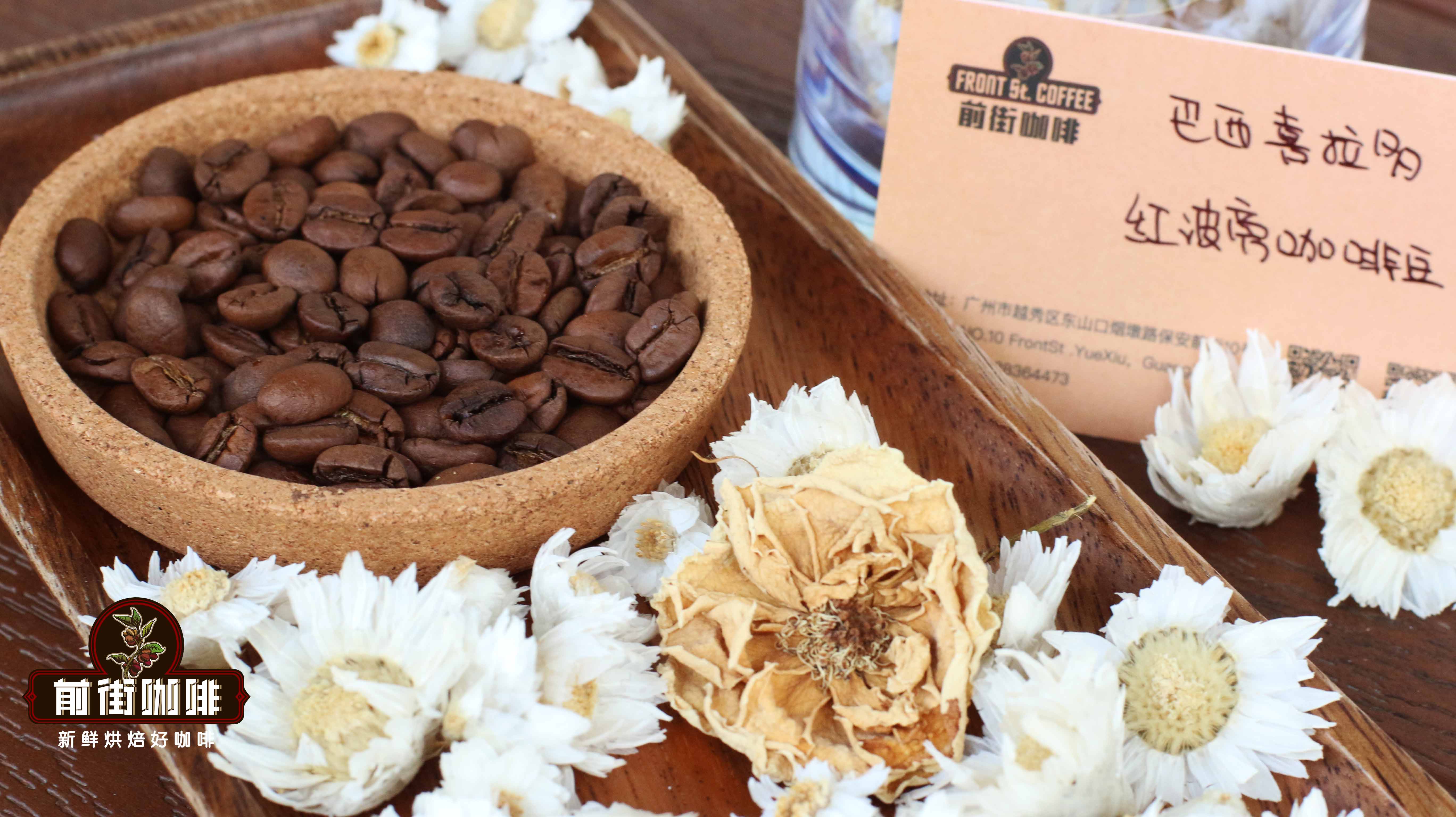
For beginners, we recommend paying attention to the Red Bourbon beans from the Cerrado region.These beans are grown at elevations of 700–1200 meters and processed using the honey method. Their flavor profile often includes notes of nuts, dark chocolate, cream, peanuts, and caramel.They are well-suited for medium-dark roasting to bring out a rich and balanced taste. Additionally, there are also deeply roasted Lin Dong Mandheling beans processed with the honey method. We suggest using a KONO filter, brewing at a 1:15 coffee-to-water ratio and 88°C water temperature, to highlight intense flavors of nuts, peanuts, and dark chocolate. The mouthfeel is buttery smooth, with noticeable sweetness and excellent overall balance—making it perfect for everyday drinking or as an entry point to understanding Brazilian coffee flavors.

The above content is compiled by CoffeeHunters, a coffee news website.


