







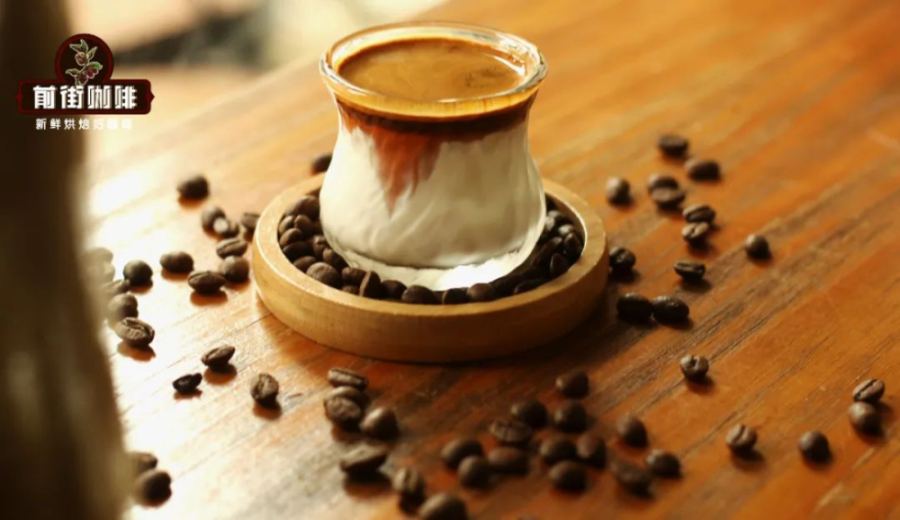
Introduction:Dirty coffee is beloved for its eye-catching layered visual effect, but many people encounter issues such as unclear separation or the coffee mixing with milk when making it at home. This article delves into four common causes of failure, including excessive extraction impact, insufficient espresso concentration, improper cup selection, and overly thin milk texture, and offers practical troubleshooting tips—such as the buffered pour method, bean selection advice, suitable cup types, and making purified milk—to help you consistently achieve a classically dirty coffee with distinct layers and a flavor that transitions from strong to light.
Dirty coffee has gained popularity for its natural layered look of espresso poured over ice-cold milk. It may seem as simple as pouring the shot directly onto the milk, but in practice, it’s common to end up with blurred layers or a uniform color throughout. Drawing from real-world brewing experience, this article analyzes the four key factors affecting layering—coffee flow rate and impact force, espresso concentration, cup design, and milk texture—and breaks down possible reasons for layering failures. It also provides multiple practical improvement methods, such as using the buffered pour technique to reduce impact, selecting beans with appropriate roast levels, choosing cups of suitable shape, and even teaching you how to make purified milk, helping you easily create a visually appealing and flavorfully layered Dirty coffee at home.
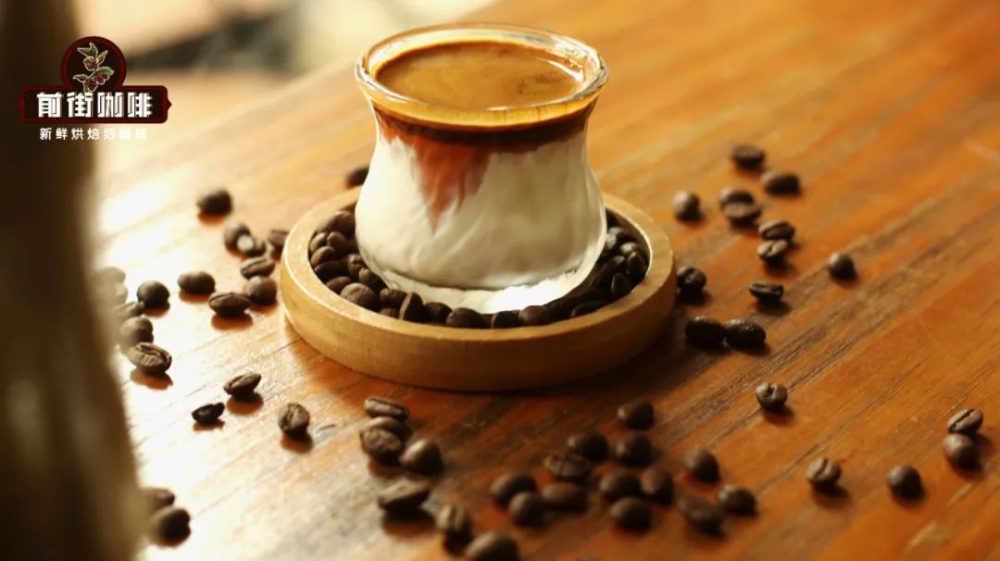 The basic method of making Dirty coffee is to pour freshly extracted espresso directly into a cup filled with ice-cold milk. Thanks to the high density of the espresso, it temporarily floats on top of the milk, creating a distinct black-and-white layered effect. Although it sounds simple and involves just a few steps, many people find on their first try that the coffee quickly sinks and mixes with the milk, failing to show that captivating "dirty" visual effect. This leads to the question: why doesn’t my Dirty coffee look “dirty” at all?
The reason Dirty coffee can present its unique layered visuals and flavors lies in deliberately preserving the state where coffee and milk do not immediately mix. The espresso, being denser, slowly sinks under gravity while the crema on the surface gradually spreads across the milk. The coffee also slides down along the inner wall of the cup, giving the impression that the coffee is “dirtying” the milk. When sipped, the cold milk meets the hot espresso in the mouth, creating a contrast in both temperature and flavor that results in a flavor experience transitioning from rich to refreshing.
 Based on practical observations, the main reasons leading to Dirty layering failures can be summarized as the following four points: First, the impact force when pouring the coffee is too strong, often breaking through the milk surface directly; second, the espresso itself lacks sufficient concentration and crema to support the layers; third, the shape and capacity of the cup used are not ideal, affecting how the liquids distribute; and finally, the milk is too thin to effectively support the weight of the espresso.
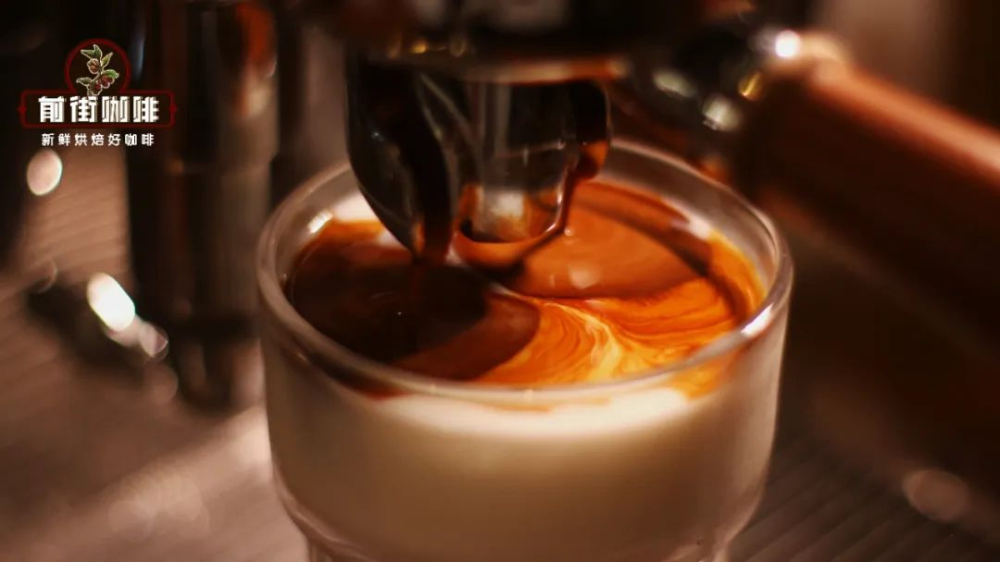
Let’s first address the issue of coffee pour impact. Many people habitually place the cup directly under the coffee machine spout to catch the espresso, which is convenient but can cause problems if the machine’s flow rate is too fast or if a bottomless portafilter is used—the espresso may shoot out as a high-speed stream, directly hitting the milk surface and instantly breaking through and mixing, resulting in failed layering. In this case, you can first catch the espresso in a shot glass, then use a small spoon placed against the milk surface to slowly pour the coffee through the spoon, allowing the liquid to naturally flow onto the top layer of the milk. This significantly reduces impact and helps maintain a clear separation.
Secondly, the concentration and crema richness of the espresso are crucial to successful layering. Some users consider using a moka pot instead of a professional espresso machine, but due to design limitations, the coffee brewed with a moka pot generally has less crema and lower concentration compared to true espresso, failing to form enough surface crema and making it difficult to maintain the layered state. Additionally, store-bought pre-made coffee liquids often lack sufficient crema due to different processing methods, making it hard to achieve the desired visual effect. Therefore, it’s recommended to use an espresso machine capable of stable espresso extraction and to choose medium to dark roasted espresso blends, which help produce a rich and crema-abundant coffee base.
The choice of cup also plays a significant role. Many people at home use relatively deep glasses, which results in insufficient milk volume and causes the coffee to be poured from too high above the liquid surface, easily breaking through the top layer. Ideally, choose a straight-sided transparent glass cup with a capacity of 8 ounces or less, and fill it with milk to about eight-tenths full. This not only slows the rate at which the coffee seeps in but also helps create a more aesthetically pleasing layered visual effect. If possible, pre-chill the cup to further stabilize overall performance.
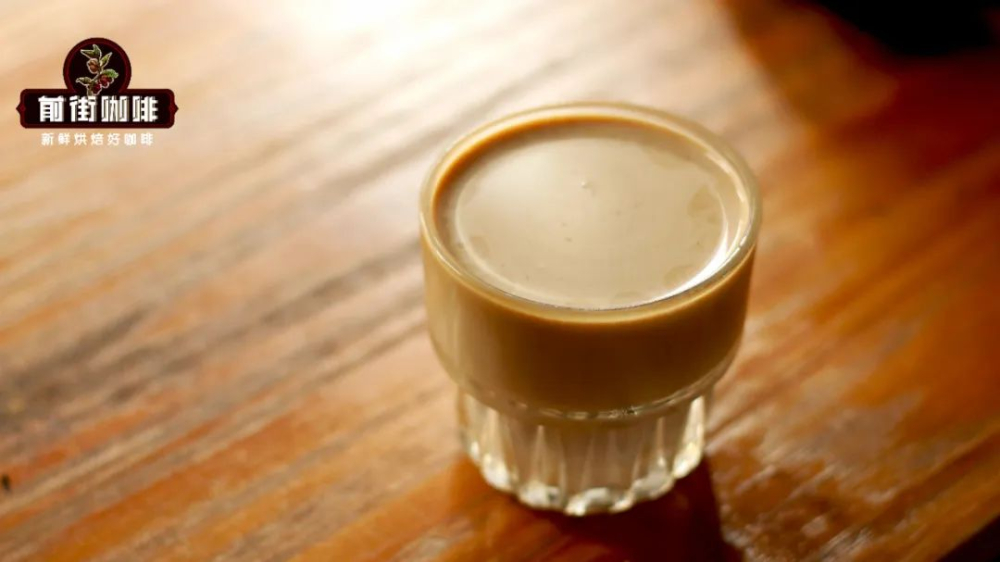
Lastly, the texture of the milk is critically important. Using room-temperature low-fat or skim milk, which has a lower milk fat content, fails to effectively support the weight of the espresso, causing it to mix quickly. It’s recommended to use commercially available fresh whole milk, such as those from brands like Vitasoy, Wei-Chuan, or Bright Dairy’s Fresh Meadow, which have a higher fat ratio and provide better support. Advanced users can also try making purified milk themselves to enhance the milk’s richness and stability, which not only aids layering but also brings additional savory notes and extends the optimal drinking window.
The above content is compiled by CoffeeHunters, a coffee news website.


