







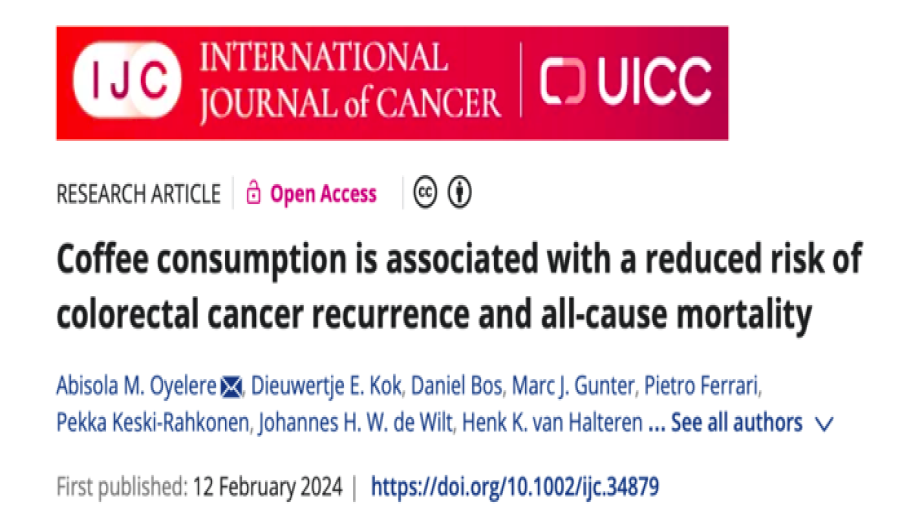
Introduction:Coffee is not only a daily beverage that boosts energy but is also increasingly proven to be closely linked to health. Recent studies show that colorectal cancer patients who drink about four cups of coffee per day may effectively reduce the risk of disease recurrence and all-cause mortality; for the general population, consuming between 0.5 to 3 cups per day is also positively associated with improved cardiovascular health and lower mortality rates. What exactly are the scientific bases for the potential health benefits of coffee? Let’s explore the research data and practical recommendations behind it.
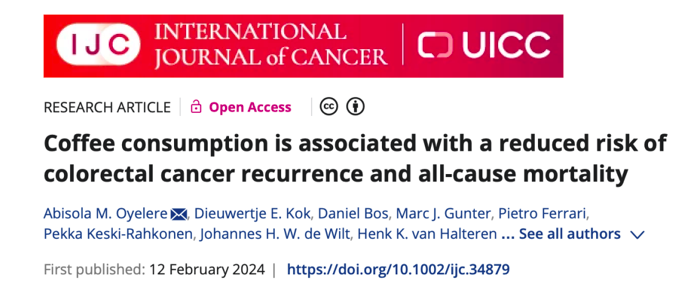
Coffee has long been more than just a morning pick-me-up. In recent years, an increasing number of studies have revealed its deep connection with health. Particularly among colorectal cancer patients and the general public, the relationship between coffee consumption and disease risk and mortality has garnered significant attention. According to a study published in the International Journal of Cancer focusing on colorectal cancer patients, the amount of coffee consumed is inversely related to the cancer recurrence rate, and those who drink four cups per day show a significantly reduced risk of all-cause death. Another study published in the European Journal of Preventive Cardiology, targeting the general population, found that consuming 0.5 to 3 cups of coffee per day helps lower the risks of all-cause death, cardiovascular disease, and stroke.
This study on colorectal cancer patients included over three thousand diagnosed patients in the Netherlands. The research team divided participants into three groups based on their daily coffee intake: less than 2 cups, 2 to 4 cups, and more than 4 cups, and conducted follow-up observations for approximately six years. Among 1,708 patients, a total of 257 cases of colorectal cancer recurrence were recorded; in the 6.6-year all-cause mortality follow-up of 1,719 patients, 309 unfortunately passed away.
After analyzing the data, a clear association was found between coffee consumption and the recurrence of colorectal cancer — the more coffee consumed, the lower the recurrence probability. Notably, patients who consumed 3 to 5 cups of coffee per day showed a significant decrease in all-cause mortality risk, andthe lowest point of mortality risk occurred at four cups per day. This result suggests that for colorectal cancer patients, drinking about four cups of coffee daily may substantially help extend life and reduce the risk of secondary illness.
So, can coffee also offer similar health benefits for the general population who have not had colorectal cancer? The answer is yes. The study in the European Journal of Preventive Cardiology indicates that compared to non-coffee drinkers, individuals who consume 0.5 to 3 cups of coffee per day generally have better cardiovascular conditions, along with a downward trend in risks of all-cause death, cardiovascular disease death, and stroke.
However,excessive coffee consumption does not bring additional benefits. The study found that once daily intake exceeds three cups, the risks of death and cardiovascular disease become no different from those of non-coffee drinkers, highlighting that “moderation” is key. Additionally, analysis of different types of coffee also showed that whether decaffeinated or ground coffee, consuming more than three cups per day can still provide some degree of improvement in heart function and reduce the risks of all-cause and cardiovascular-related deaths.
It’s worth mentioning that although both decaffeinated and ground coffee are beneficial to health, researchers pointed out thatthe health benefits of ground coffee appear to be more significant. This may be due to ground coffee containing not only caffeine but also a variety of antioxidants and trace nutrients, which may offer additional protective effects on the body. However, decaffeinated coffee is also good, providing certain health advantages, especially suitable for those sensitive to caffeine or needing to avoid stimulants.
Combining these two studies, it’s not hard to see that the potential benefits of coffee for health mainly hinge on the premise of “moderate consumption.” For colorectal cancer patients, about four cups of coffee per day may have the potential to reduce recurrence and death risks; for the general public,a daily coffee intake of 0.5 to 3 cups not only allows one to enjoy a rich flavor but may also positively impact cardiovascular health and overall lifespan.
However, experts also remind that the type of coffee, roast level, and brewing method can all affect its flavor and ingredient composition. It is recommended to adjust intake according to individual constitution and tolerance. Additionally, high-caffeine coffee should be avoided in the evening or before bedtime to prevent sleep quality impairment, which could interfere with bodily recovery and health maintenance.
The above content is compiled by CoffeeHunters, a coffee news website.


