







Introduction:In recent years, Vietnam, as a major global producer of Robusta coffee, has been facing the dual challenges of extreme high temperatures and water shortages. Not only are farmers struggling with irrigation, but the rapid spread of pink bollworms is also threatening the health of coffee trees. This article delves into the current drought and pest conditions in Vietnam’s main coffee-growing regions, as well as how these factors are impacting future coffee yields and market trends, helping readers stay informed about the latest changes in the global coffee supply chain.
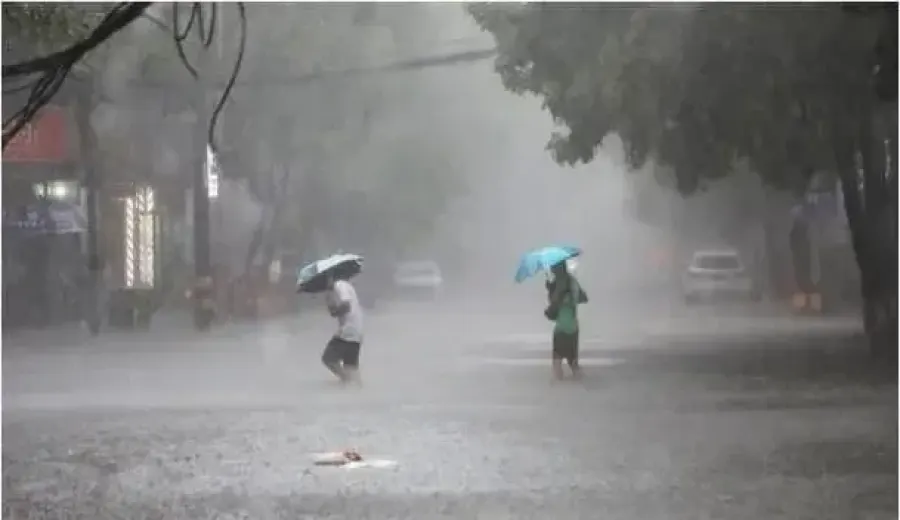
The World Meteorological Organization recently issued a warning, pointing out that extreme weather events are occurring frequently around the world, putting unprecedented pressure on agricultural production in Asia. While parts of China and the Middle East are experiencing heavy rains and floods, countries in Southeast Asia such as Vietnam, Thailand, Laos, and Indonesia are enduring scorching heat, with local temperatures soaring above 45 degrees Celsius.
The double blow of high temperatures and drought has had a particularly significant impact on Vietnam’s Robusta coffee-growing regions. As the world’s second-largest coffee exporter, Vietnam’s Robusta beans are mainly used for instant coffee and espresso products, with steady demand. However, this year, due to persistent high temperatures causing rapid evaporation of soil moisture, many coffee farms are facing severe drought, affecting the normal growth and fruiting of coffee trees.
In major producing regions such as Quang Tri, Quang Ngai, Binh Thuan, Phu Yen, and Gia Lai provinces, local governments have successively issued Level 2 drought alerts. Many coffee farmers report that in previous years, coffee trees required about five irrigations at this time, but this year, the prolonged drought due to high temperatures has forced many fields to add two to three extra irrigations, with some areas even preparing for an eighth irrigation, yet struggling with insufficient water supply.
Not only that, the continuous high temperatures have also led to the gradual depletion of groundwater and irrigation wells, with some areas even experiencing cracked riverbeds and mass fish deaths in reservoirs. Such extreme conditions not only threaten crop growth but also make coffee trees prone to nutrient imbalances, further weakening overall yield potential.
Even more concerning is that in the high-temperature and water-scarce environment, pests such as pink bollworms have begun to reproduce and spread on a large scale. These pests primarily attack the flowers and fruits of coffee trees, causing fruit drop or poor development, directly impacting the final harvest. According to local farmers, some coffee trees have already shown signs of yellowing and wilting leaves, which, in addition to drought, are closely related to pest infestations.
Currently, the pink bollworm outbreak in Gia Lai Province, one of Vietnam’s central main producing regions, has not yet been effectively controlled. Moreover, due to climate conditions that are favorable for their rapid reproduction, the spread of pests in the area is alarming, posing a significant threat to coffee harvests in the coming months.
However, according to forecasts from Vietnam’s meteorological department, after entering May, the region may welcome a wave of rainfall, with an estimated precipitation of about 2.27 millimeters, which might slightly alleviate the current drought. Whether it can completely reverse the overall trend remains to be seen.
Interestingly, despite the grim production outlook in major producing regions like Vietnam, data from the International Coffee Organization shows that global coffee exports in March 2024 still increased by 8.1% compared to the same period last year, reaching a total of 12.99 million bags. However, puzzlingly, coffee futures market prices have not risen accordingly but have continued to decline, reflecting a subtle disconnect between market expectations for future supply and actual trade data.
Overall, Vietnam’s coffee industry is currently facing the dual challenges of climate change and biological hazards. Rainfall in the coming months and control measures will be key to determining yields. For consumers and traders keeping an eye on global coffee supply and market dynamics, understanding these changes can help better grasp the real factors behind coffee price fluctuations.
The above content is compiled by CoffeeHunters, a coffee news website.


