







Introduction:To step into the world of coffee roasting, it's essential to first master the basic types of equipment and the professional terminology used during the roasting process. This article will introduce you to the heat transfer principles of the three main types of coffee roasters—direct-fire, semi-direct-fire, and hot-air—as well as their respective pros and cons. We’ll also take an in-depth look at key roasting stages and terminology such as charge temperature, turnaround point, first crack and second crack, drying phase, and development phase. By understanding these fundamentals, you’ll be able to control the roasting rhythm more steadily, enhance the flavor expression of your coffee, and avoid unnecessary detours.
Learning to roast coffee beans is an excellent way to gain a deeper understanding of coffee flavors, but the process is not as simple as it may seem. Many beginners often assume that simply heating green beans to a certain temperature is enough to complete the roast. However, to bring out the best flavors in coffee beans, it’s crucial to understand the characteristics of various roasting devices, as well as the key terminology and milestones throughout the roasting process. Mastering this knowledge is the first step toward successful roasting.
There is a wide variety of coffee roasting equipment on the market, but they can generally be divided into three main categories: direct-fire, semi-direct-fire, and hot-air. Each type has its unique method of heat transfer, which affects the final outcome of the coffee beans. Understanding how they work and the scenarios they’re suited for can help you make the right choice based on your needs.
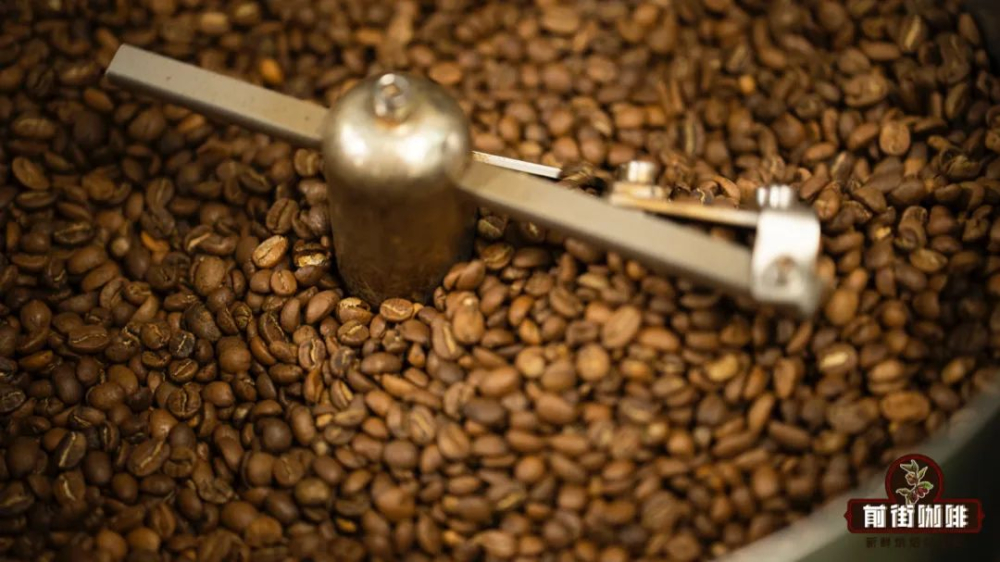
Direct-fire roasters are the most traditional type. Their defining feature is that the flame comes into direct contact with the coffee beans through specially designed holes in the drum, allowing the heat source to closely interact with the beans. The advantage of this method is that it can impart rich and layered aromas to the coffee beans, making it especially suitable for roasters who aim for high flavor complexity. However, because the heat source acts directly on the beans, precise temperature control is critical. Improper handling can easily lead to scorched surfaces or under-roasted interiors, placing higher demands on the roaster’s experience.
Semi-direct-fire roasters, also known as semi-hot-air roasters, improve upon some of the shortcomings of direct-fire models. Their drums typically do not have holes that allow the flame to penetrate directly, thus avoiding the risk of the flame touching the bean surface and significantly reducing the chance of scorching. Heat is primarily conducted through the metal drum as it heats up, supplemented by hot air introduced through airflow vents, resulting in more even and stable heating. This type is currently the mainstream model used by most small and medium-sized roasters.
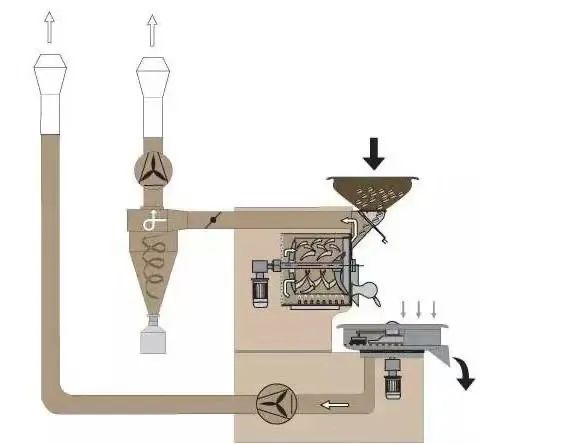
Hot-air roasters, on the other hand, follow a completely different design philosophy. They work by using high-temperature hot air to rapidly circulate through the coffee beans to achieve heating. The hot air is drawn in by a fan, heated by electric coils, and then blown onto the beans, ensuring uniform heating. The biggest advantage of this type of machine is its fast heating speed and flexible temperature control, allowing for precise adjustments to the beans’ color and flavor profile. It is highly favored by roasting studios that prioritize efficiency and consistency, and it’s also an ideal choice for experimenting with different roast profiles.
Beyond the equipment, understanding the professional terminology used during the roasting process is another essential lesson for every roasting novice. These terms mark the physical and chemical changes that coffee beans undergo at different stages and are key to controlling the roasting rhythm and flavor development.
The charge temperature refers to the starting point when green beans are loaded into the roaster, at which time the roaster has usually been preheated to a specific temperature. It’s worth noting that different machine models, batch sizes, as well as the moisture content and density of the beans themselves, can all affect the optimal charge temperature. Therefore, the charge point also marks the beginning of the entire roast curve record.
Once the green beans are loaded into the machine, they absorb a large amount of heat energy, causing the internal temperature to temporarily drop. It doesn’t begin to rise again until a certain equilibrium point is reached. This turning point where the temperature begins to climb again is called the turnaround point, and it’s an important indicator for observing thermal balance.
As the roasting time progresses, the beans gradually change from green to yellow. This stage, where the color begins to shift, is known as the yellowing point. At this stage, the bean surface usually starts to show wrinkles, and it also signals the upcoming start of the Maillard reaction.
First crack is the sound made when the internal moisture and pressure within the coffee beans, accumulated during the heat absorption phase, reach their limit and begin to burst, releasing energy. When you hear a series of crisp “popping” sounds, it indicates that first crack has begun. At this point, the beans have reached a drinkable state, but the direction of the flavor still depends on subsequent processing. If heating continues into second crack, the sounds become lower-pitched and more irregular. At this stage, the coffee beans develop a stronger flavor but are also more prone to bitterness and astringency.
Between these key milestones, there are several other important process stages that should not be overlooked. The drying phase refers to the period from the charge point to the yellowing point, during which the beans lose most of their free water. This stage is crucial for stabilizing subsequent reactions. The development phase is the period from the yellowing point to the start of first crack, during which the beans undergo the Maillard reaction, gradually developing aroma and color changes. Finally, the development phase is the time from the start of first crack to the end of the roast. The length of this period has a significant impact on the coffee’s acidity-sweetness balance and flavor intensity, and it requires careful control.
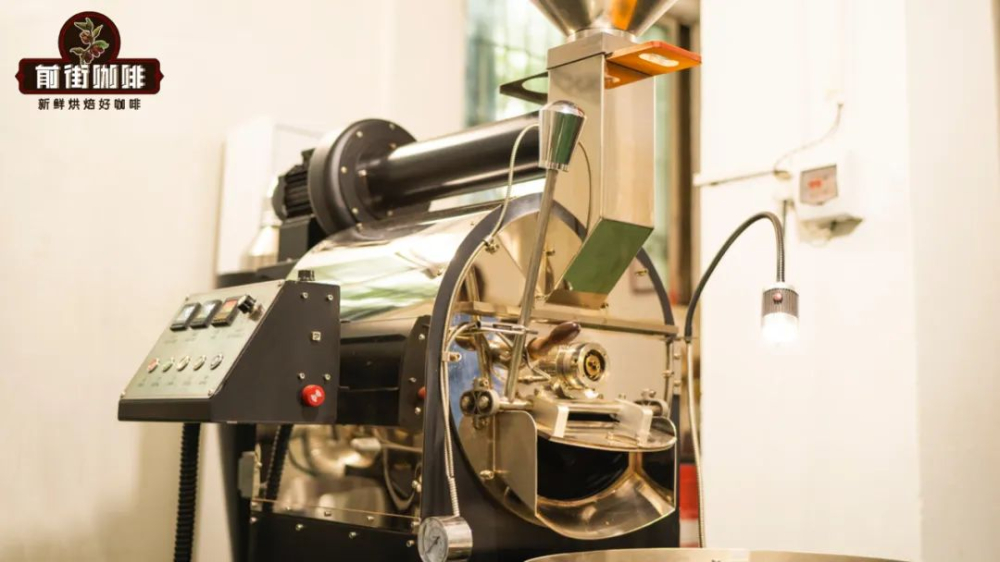
In summary, coffee roasting is a craft that combines theory and practice. Familiarizing yourself with the characteristics of the equipment, mastering the differences in heat transfer, and understanding the terminology and changes at each stage will lay a solid foundation for your roasting journey. Only by gradually accumulating experience can you roast coffee beans with balanced flavors and distinctive personal character.
The above content is compiled by CoffeeHunters, a coffee news website.


