







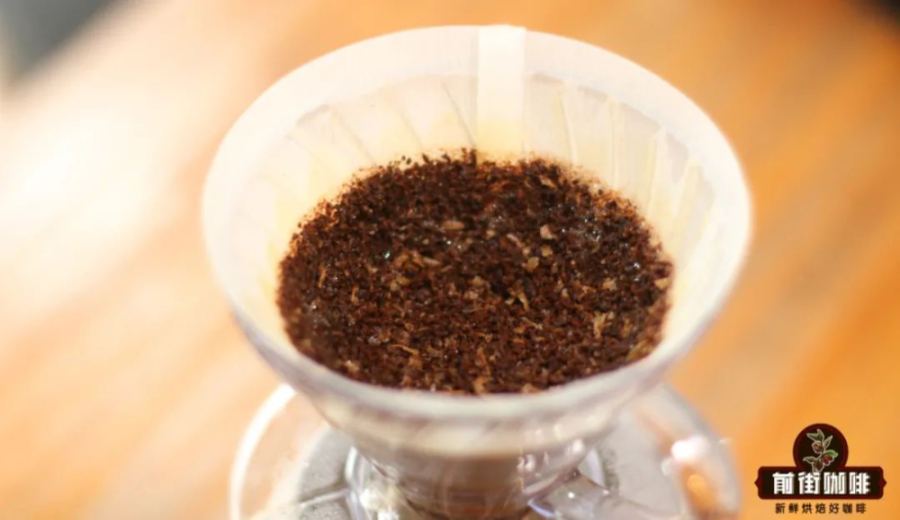
Introduction:Many pour over beginners notice that after brewing, the coffee grounds bed appears flat without any indentation, which may indicate uneven extraction. This article delves into the three main reasons why the coffee bed indentation disappears, including failure to lift the coffee bed, insufficient water flow agitation, and improper circular pouring range, while providing specific adjustment suggestions. It also clarifies the misconception about roast level and bed depth, helping readers master correct pour over techniques and improve flavor consistency in their coffee.
Many novice pour over brewers find that after completing the brew, the coffee grounds in the filter look smooth with no visible indentation or pit. This usually means that water flow control during extraction was not precise enough, preventing the natural formation of a bowl-shaped indentation, which in turn affects the even release of coffee flavors. To address this common issue, we’ve outlined the three most common operational mistakes, explained the reasons behind each, and provided simple yet effective solutions for improvement.
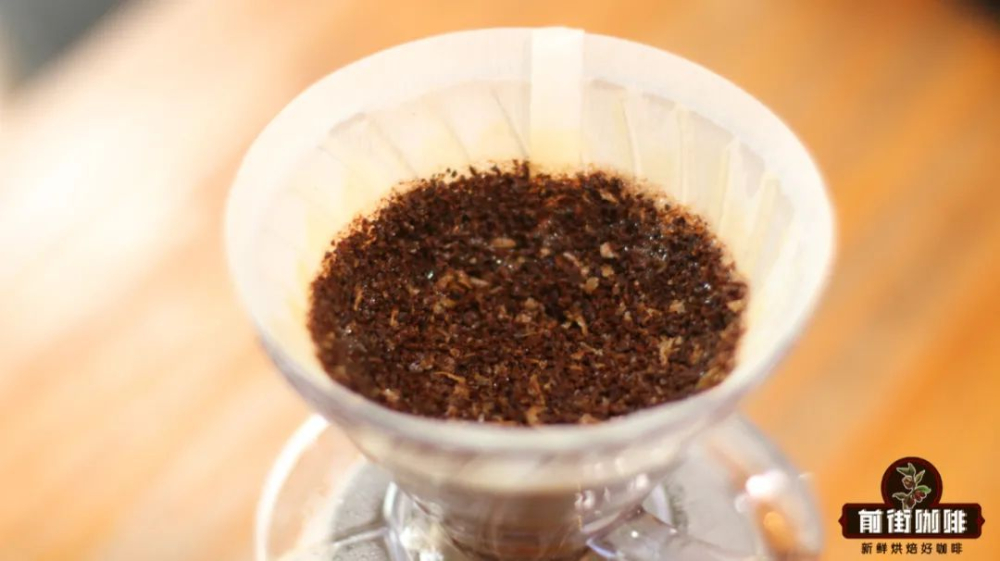
Even without obvious channeling or blockage issues, many beginners still end up with a completely flat coffee bed after brewing. This often indicates room for improvement in overall pouring and water flow techniques, causing the coffee layer to not be adequately agitated or concentrated during extraction—ultimately failing to form that crucial “bowl-shaped” coffee bed indentation for proper brewing. Below are some of the most frequent mistakes. If you’ve encountered similar issues, feel free to check them one by one.
I. Failure to Effectively Lift the Coffee Bed
Many people do not intentionally lift the entire coffee bed during the initial pouring phase. This not only makes it difficult for the coffee bed indentation to form naturally, but may also lead to imbalanced extraction efficiency in certain areas of the filter. Especially when using a conical dripper, since the coffee grounds naturally tend to accumulate toward the bottom center, failing to first disperse the bed by appropriately lifting it can result in the upper layer of coffee grounds being continuously impacted by the hottest and fastest-flowing water, while the bottom layer relies only on partially extracted coffee liquor—naturally leading to uneven extraction between the top and bottom layers.
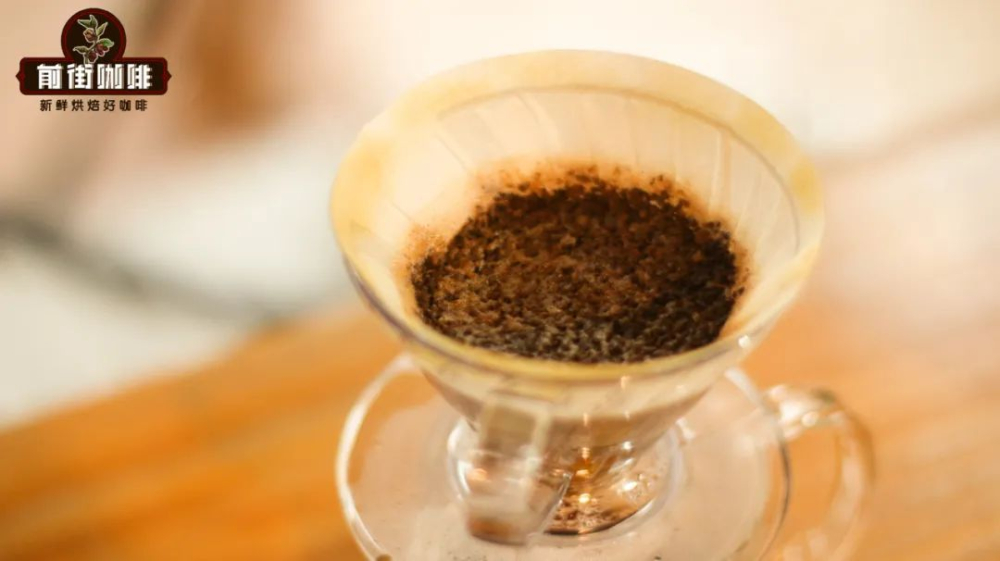
To improve this, it’s recommended during the initial pouring stage to use slightly more forceful water flow to push the water level up overall. As the water level rises, the coffee bed will also be lifted and gradually distribute more evenly. Once hot water begins to drip from the bottom, the water level will gradually decrease. During this process, the coffee grounds will naturally move toward the edge of the filter, forming a “coffee wall.” If you then focus your pouring on the central area and wait until the coffee liquor has fully passed through, you’ll usually be able to form an ideal bowl-shaped coffee bed indentation, which helps enhance overall extraction consistency.
II. Insufficient Water Flow Agitation
Another common issue is that the water flow during pouring lacks enough penetrating power to effectively break up and agitate the coffee bed, causing the entire coffee bed to remain flat. This usually stems from two factors: pouring too low or using too low a water flow rate.

When the impact of the water flow is insufficient, it not only fails to thoroughly mix the coffee bed, but also struggles to raise the water level to help lift the coffee bed. Although such a method might extend the total brewing time, without sufficient kinetic energy, it can actually reduce extraction efficiency—especially when brewing light roasted beans, where localized under-extraction is more likely to occur. Therefore, it’s recommended to pay special attention to adjusting the height and speed of the water stream during pouring, ensuring the water has enough energy to evenly penetrate the coffee bed.
III. Overly Wide Circular Pouring Range
Even if the first two steps are handled well, if the pouring circle is too wide during subsequent pouring, the hot water can easily hit the inner wall of the dripper directly. Coffee grounds attached to the wall may be washed off by the water flow, and the indentation that was beginning to form may be flattened again. Worse yet, water flowing down along the wall may bypass the main coffee bed and quickly drain from the bottom, preventing the coffee grounds from being fully extracted and diluting the overall concentration of the brew—resulting in a thin-bodied cup with weak flavor.

To avoid this, it’s recommended to keep your circular pouring movements within the middle zone between the center of the dripper and the wall. This not only maintains stable extraction pressure but also effectively reduces bypass water, ensuring every coffee ground participates evenly in the extraction process.
Additionally, there’s a common misconception that only dark roasted beans can produce a noticeable coffee bed indentation. In reality, the depth of the indentation is not absolutely related to the roast level. Darker roasts may form slightly larger indentations due to higher expansion rates, but both light and dark roasts can successfully create a coffee bed structure with the right pouring technique. What truly determines the depth of the indentation is the amount of coffee grounds used. Therefore, the key to improving the coffee bed issue lies in optimizing your pour over technique—not changing the roast type of the beans.
The above content is compiled by CoffeeHunters, a coffee news website.


