








Introduction:When brewing pour over coffee, if your cup presents off-flavors or unpleasant sensations, it could indicate an issue in the cultivation, processing, roasting, or brewing process. Understanding the causes of these negative flavors not only sharpens your taste sensitivity but also helps optimize your personal brewing parameters and comprehend roast profiles. This article thoroughly dissects common off-flavors in pour over coffee—such as mustiness, earthiness, woody notes, smokiness, charred tones, medicinal flavors, moldiness, rubberiness, decay, as well as astringency and bitterness—along with techniques to identify them.
While enjoying a cup of pour over coffee, you may occasionally encounter some uncomfortable flavors. These off-notes can stem from the growing environment, post-harvest processing, roasting techniques, or the brewing process. Being able to identify each of these negative flavors not only allows for more accurate troubleshooting but also offers practical insight for improving your tasting skills, adjusting brewing strategies, and even optimizing roast curves.
The range of undesirable flavors commonly found in pour over coffee is quite diverse, including mustiness, earthiness, woody notes, smoky aromas, charred tones, medicinal flavors, moldiness, rubberiness, and the taste of overripe fruit. In addition, there are tactile sensations that fall outside the realm of taste—such as astringency and dryness—that also significantly impact the overall drinking experience. Next, we’ll explore the causes and characteristics of these off-flavors one by one.

Many people tend to describe a poorly flavored coffee with the vague term “muddy,” but in reality, “muddy” is just a general term encompassing various off-flavors from different sources. Each type of off-note may point to a different problem in the process. For example, some off-flavors result from improper processing methods, while others may come from over-roasting or insufficient freshness. Only by understanding these subtle differences can you effectively address the issues.
Earthy flavors often appear in the aftertaste of coffee, giving off a scent reminiscent of rain-soaked soil being turned over. These flavors are usually related to the soil conditions of the growing area or an unclean processing environment. Although most people don’t actually taste dirt, the combination of dampness and earthy smell is something many have encountered while walking outdoors after rain—this is what we commonly refer to as “earthy” or “muddy” flavor.
Woody notes are a rather distinct off-flavor, similar to the dry scent of compressed wood panels or sawdust. This taste typically arises from over-extraction. When hot water contacts coffee grounds for too long or the grind size is too fine, it can easily release unpleasant woody fiber flavors from the coffee. It’s important to note that this negative woody sensation is completely different from the aromatic notes of pine or sandalwood—don’t confuse the two.

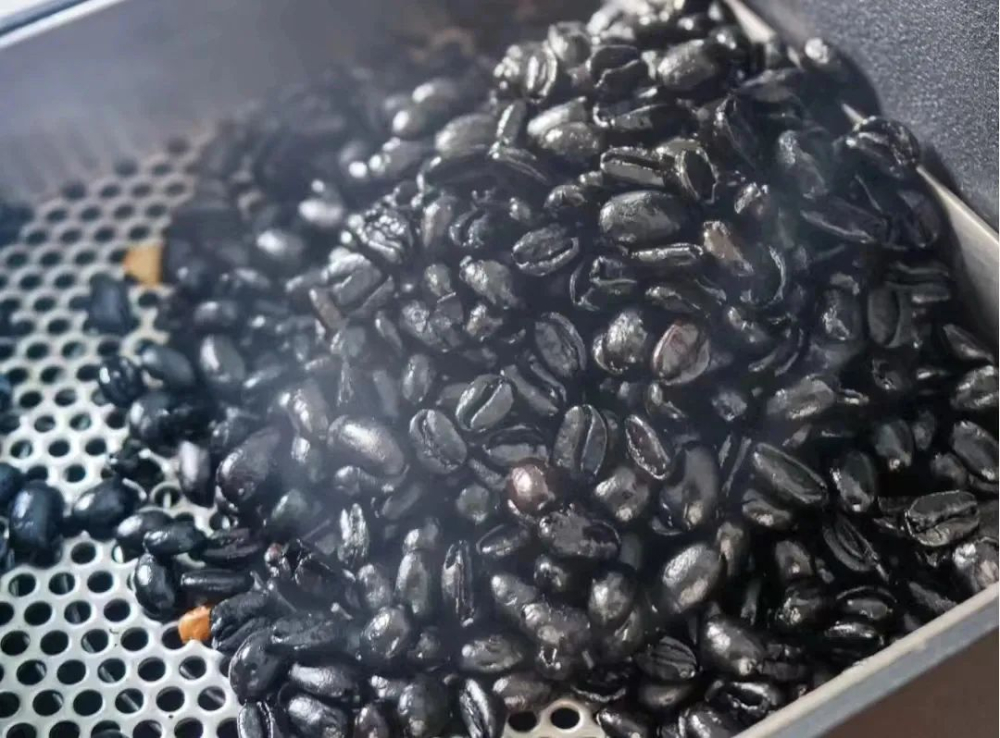
Smoky flavors can easily bring to mind the thick smoke from burning charcoal. This flavor mostly stems from mistakes during the roasting stage, such as poor heat control or excessively long roasting times, which cause the coffee beans to develop a smoky surface. Charred tones are another extreme, similar to the carbonized feeling of burnt food, often encountered in dark roasts or over-extracted coffee. These flavors are sharp and unpleasant.
The term “medicinal” may sound alarming, but it actually refers to a pill-like bitterness in coffee caused by plant alkaloids. This bitterness is different from ordinary burnt bitterness—it’s more irritating and carries a chemical-like quality, often becoming more noticeable when the roast is too dark or the brewing parameters are off. Though it falls within the bitterness spectrum, medicinal flavor is often categorized separately due to its stronger irritability.
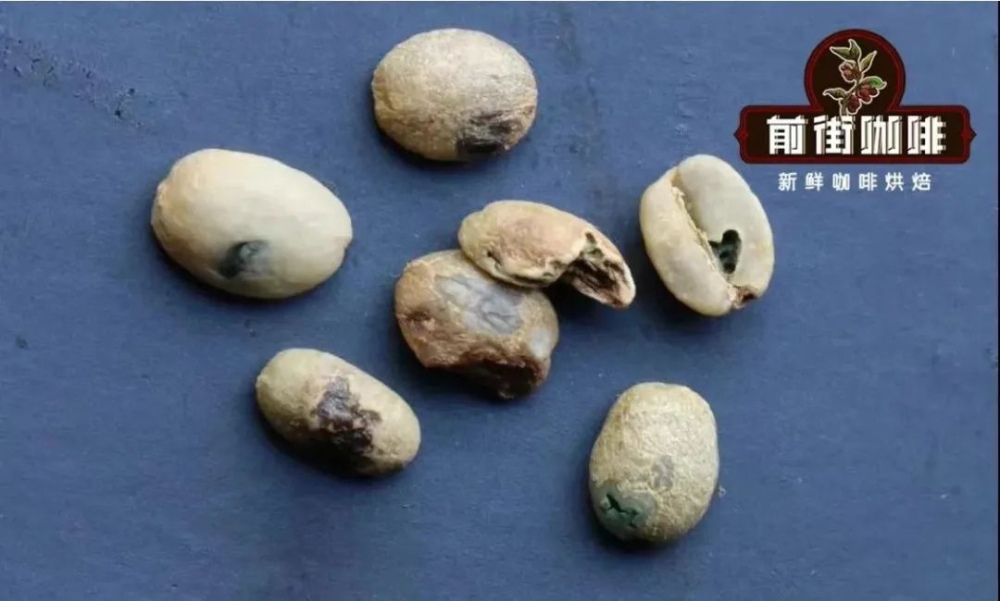
Moldiness is a sour, damp-like odor, similar to the smell of clothes left out to dry for too long during the rainy season. In specialty coffee, the occurrence of moldiness should be extremely rare, but if the beans are mixed with defective ones—such as black beans or moldy beans—or if roasted beans are stored beyond the recommended shelf life (typically best used within 2 to 4 weeks after roasting), they may produce this unpleasant scent.

Rubberiness often appears in certain Robusta coffees, resembling the pungent smell of freshly opened rubber products. This off-flavor isn’t common in all coffee, but under specific varieties or improper processing, it can indeed become a disruptive factor. Decay, on the other hand, is similar to the off-putting smell produced by over-fermented fruit, often encountered in coffees processed with heavy fermentation methods. If the fermentation process is not well controlled, it can easily lend the coffee an overly fermented, rotten aroma.
In addition to the above flavors, there are two other common but harder-to-categorize tactile sensations— astringency and dryness. Astringency is a tactile experience that creates a rough, friction-like feeling in the mouth, similar to the scraping sensation on the tongue after eating underripe fruit. Depending on the flavor context, astringency can be divided into several types—for instance, astringency with sweet-and-sour aftertastes may sometimes bring a subtle balance after swallowing; whereas astringency with a dry grassy scent often reminds one of raw bananas or unripe melons. This type is referred to as “green astringency,” and it frequently appears in lightly roasted or under-extracted coffee.
If astringency is accompanied by strong bitterness and lingers in the mouth for a long time after swallowing, it results in what’s called “bitter astringency”—an extremely negative drinking experience. As for dryness, it often occurs shortly after coffee beans have been roasted. At this stage, the beans still retain a lot of high-temperature residues from the roasting process. Brewing with them at this point allows these drying sensations to enter the coffee liquid, creating a parched, throat-catching feel. This is also why professional cuppings and home brewing generally recommend letting roasted beans rest for at least a few days before use.
In summary, every off-flavor or unpleasant tactile sensation in pour over coffee has its root cause and corresponding stage in production. Whether it’s cultivation, processing, roasting, or brewing, each step can influence the final flavor profile. By carefully identifying these negative flavors, you can not only enhance your tasting ability but also adjust brewing parameters, improve your coffee experience, and even provide references for optimizing roast curves.
The above content is compiled by CoffeeHunters, a coffee news website.


