







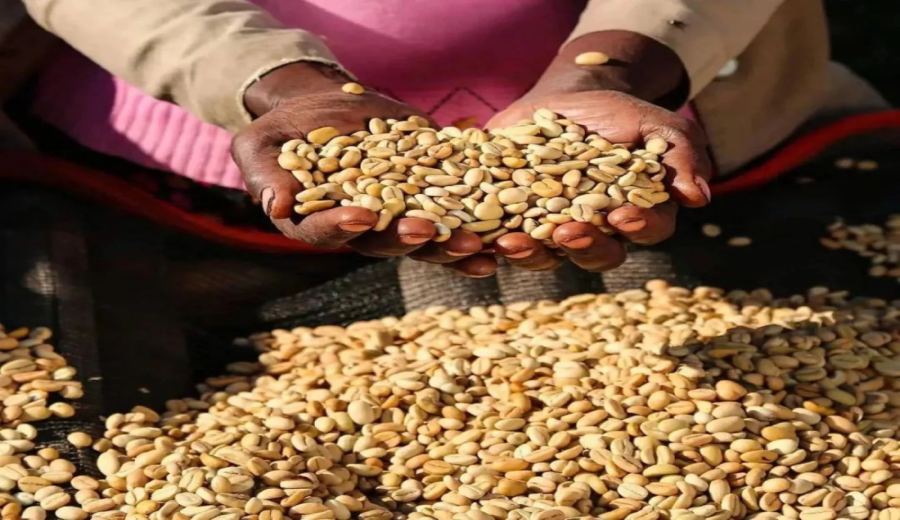
Introduction:Understanding how the moisture content, density, and size of green coffee beans affect roasting outcomes is essential knowledge for every coffee enthusiast and amateur roaster. This article provides a detailed analysis of how these three key indicators influence heat transfer and flavor development, and systematically introduces common defects such as shell beans, insect-damaged beans, and moldy beans—covering their characteristics and potential hazards. This helps you accurately screen beans before roasting, enhancing the purity and complexity of the final cup.
In the coffee roasting process, mastering the characteristics of green beans is crucial—it’s the foundation for developing an effective roasting strategy. This article will focus on three core indicators of green beans—moisture content, density, and size—and explore how they affect heat absorption and flavor development. It also delves into common defects such as shell beans, insect-damaged beans, moldy beans, black beans, and quakers, including their causes and impact on coffee flavor. Familiarity with these elements helps you prepare adequately before roasting, ensuring each cup showcases the purest and richest flavor possible.
Just as a skilled chef must deeply understand the characteristics of ingredients, a coffee roaster must be intimately familiar with their “raw material”—green coffee beans. Each batch of green beans, due to differences in variety, origin, and processing method, possesses unique physical and chemical properties. To design the most suitable roast profile, one must first understand how the bean’s size, moisture content, and density will influence the roasting reaction.
Moisture Contentis the primary indicator for evaluating the condition of green beans, referring to the percentage of water relative to the total weight of the beans. Generally, the ideal moisture content range is10.5% to 12.5%. Within this range, green beans are not only conducive to long-term storage but can also exhibit more complex flavor profiles during roasting. However, as storage time increases, moisture content gradually decreases. If the moisture content is below 10.5%, the beans are prone to being overheated during roasting, resulting in flat and dull flavors. Conversely, if the moisture content exceeds the standard range, it not only increases the risk of mold growth but also requires more heat input during roasting, potentially affecting the balance of flavor development.
Next isDensity, which is closely related to the accumulation of nutrients in the coffee bean and the altitude at which it is grown. Generally, coffee beans grown at higher altitudes have a longer maturation period, thus accumulating more nutrients, forming denser bean structures and harder textures. Many Central American producing regions use altitude as a grading standard for coffee beans—the higher the altitude, the harder the beans, and the higher the grade. High-density green beans require more sufficient heat input during roasting and are more sensitive to temperature changes, requiring roasters to operate with greater care, adjusting heat and time to achieve optimal roasting results.
As forBean Size, under similar conditions, the larger the volume of the green bean, the longer it takes for heat to transfer from the outer surface to the core. Due to slower heat penetration, using excessively high heat can easily lead to the “underdeveloped” phenomenon where the exterior is over-roasted while the interior remains insufficiently roasted. Therefore, it is recommended to adopt a “low and slow” roasting strategy for larger beans, extending the initial drying phase to ensure even heating of both the core and the surface. This principle also applies to beans with higher moisture content or greater density. Additionally, Ethiopian heirloom varieties or certain blends, due to differences in cultivation and harvesting methods, often contain beans of varying sizes and densities within the same batch, posing a significant challenge to roasting technique.
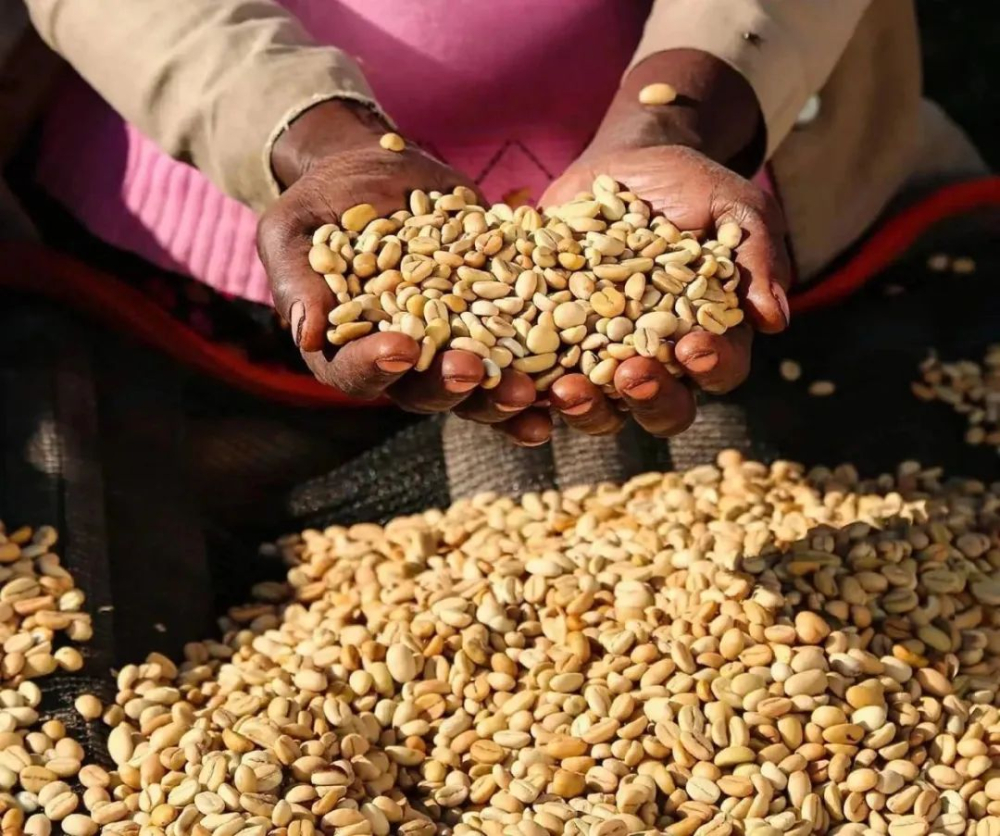
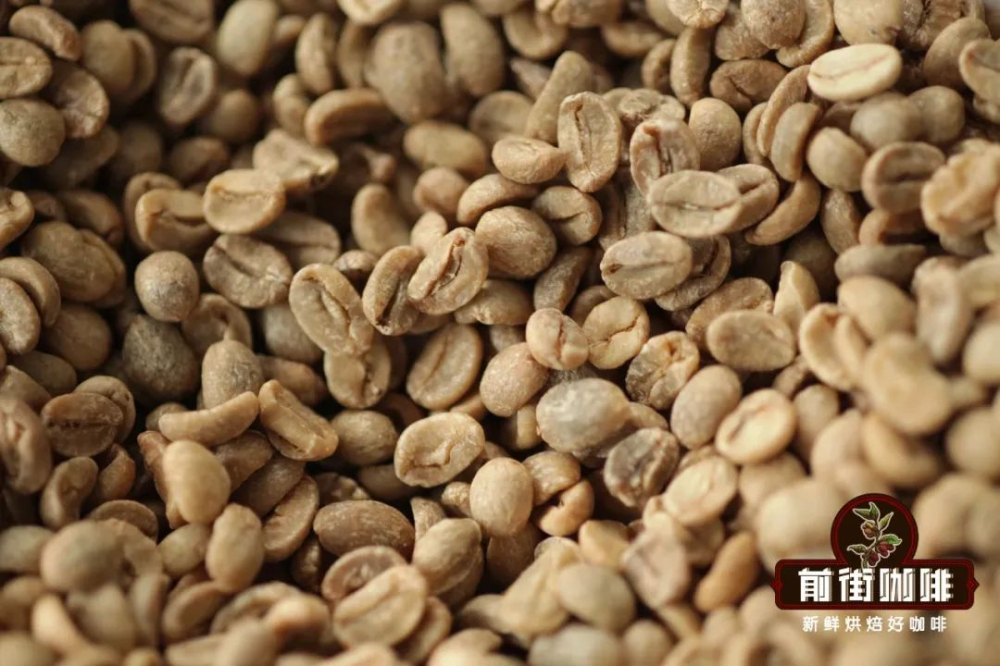
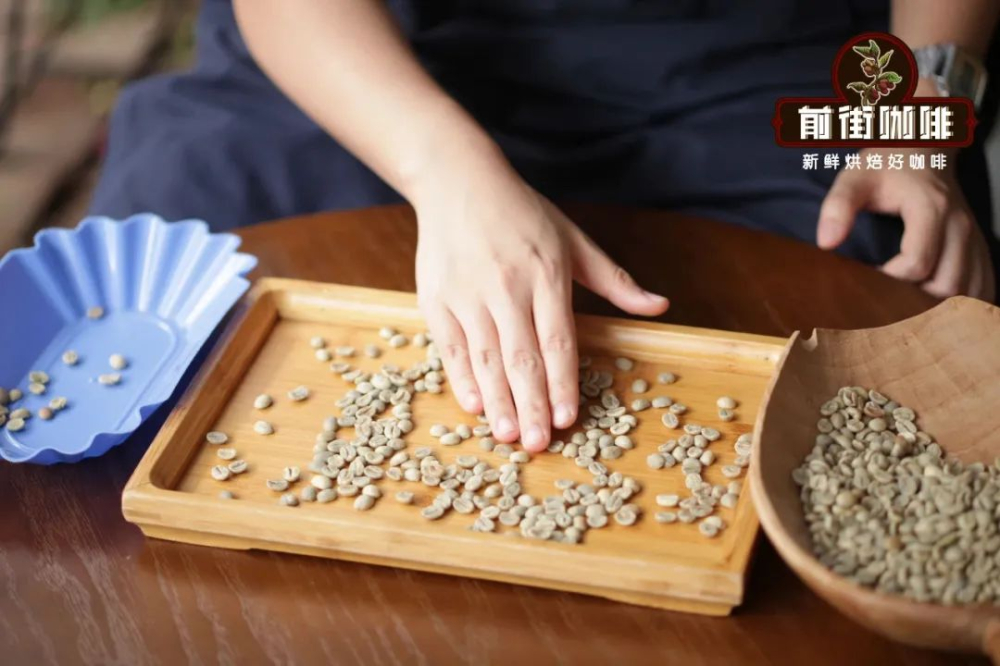
Beyond focusing on the basic physical characteristics of green beans, screening for defective beans before roasting is also a critical and often overlooked step. Even the highest-quality green coffee beans may contain a certain proportion of defects, which not only affect the overall flavor of the coffee but may also pose potential health risks. Therefore, thoroughly removing defective beans before roasting is a key step in ensuring coffee purity.
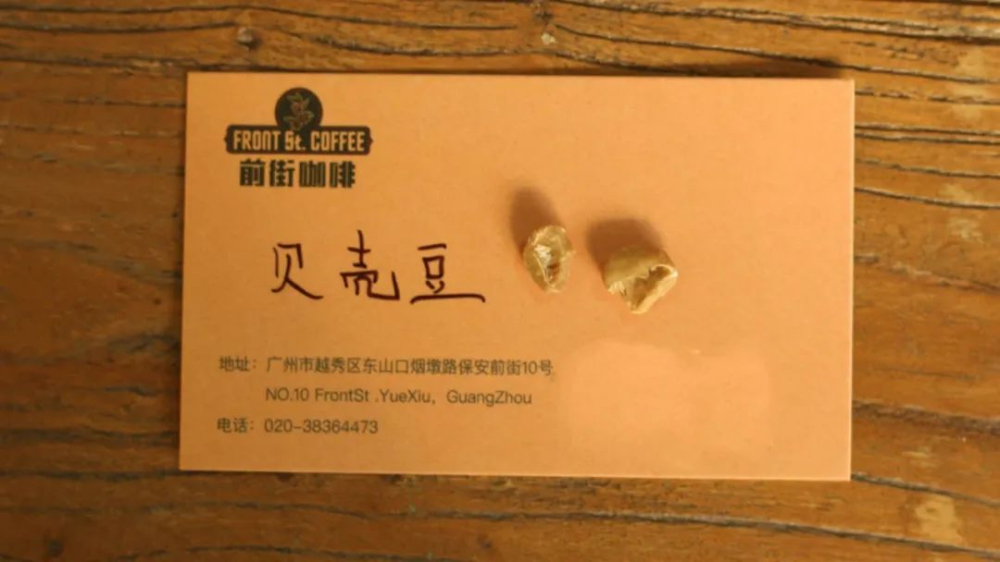
Common defective beans includeShell Beans and Broken Beans. Shell beans usually result from abnormal growth, causing the bean to split in the middle and take on a shell-like appearance—one half being the bean core and the other the outer husk. Broken beans are often the result of human damage during processing or transportation, particularly common in Indonesian coffees processed by the wet-hulled method, where the strong force of hulling machines can easily crack the beans. These two types of beans, due to uneven heating during roasting and extraction, can lead to unstable flavors and are recommended to be prioritized for removal before roasting.
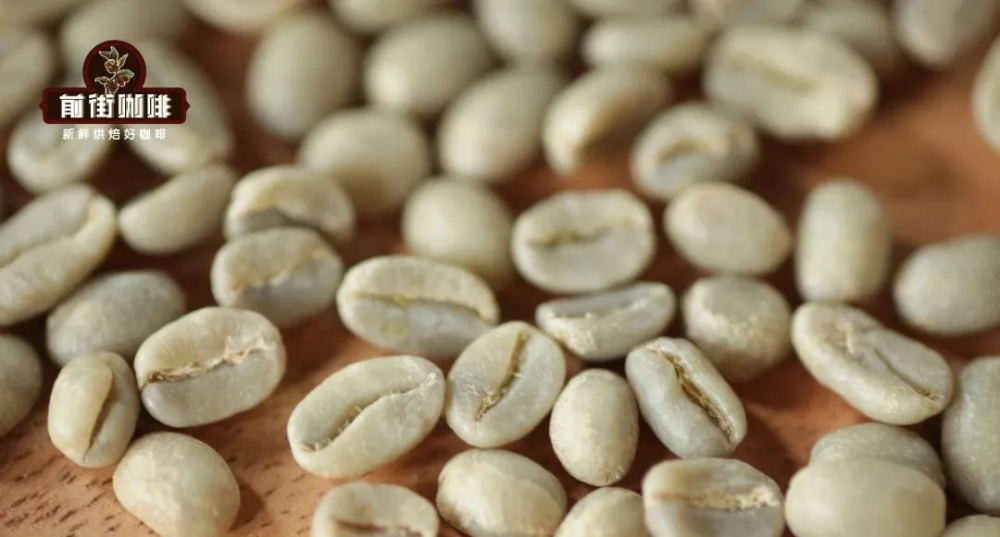
Insect-Damaged Beansare another type of defect that requires special attention, typically caused by pests such as the coffee berry borer that infest the coffee cherry and penetrate the green bean. These beans often show visible small black holes, are prone to mold, and can introduce unpleasant chemical or off-flavors, negatively impacting the overall coffee flavor—they are among the defects that must be removed before roasting.
Meanwhile,Moldy Beansoften result from insufficient drying (excessively high moisture content) or overly humid storage environments, leading to mold growth. These beans usually show visible green or black mold spots, emit a strong musty odor, and may pose health risks, so they must be thoroughly removed before roasting. Notably, broken beans and insect-damaged beans, if not properly handled, can also easily turn into moldy beans, so extra care is needed.
Black Beansrefer to beans that are noticeably dark in color or have localized dark patches, which may be caused by pests, contamination, or over-fermentation. These beans often contain undesirable substances such as geosmin and, if not removed, can not only impair flavor but also pose potential health risks, requiring careful identification and removal.
 ,
 ,
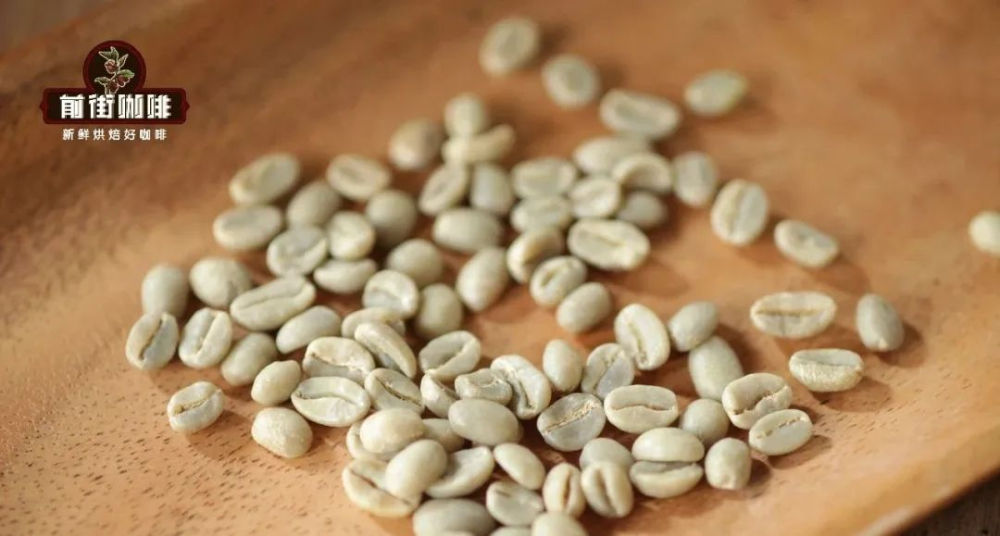
Another common defect isQuakers, also known as immature beans. These beans are picked before the fruit has fully ripened, resulting in insufficient accumulation of flavor compounds. Although difficult to distinguish from mature beans at the green stage, after roasting, their color and flavor performance are noticeably inferior, often resembling the taste of roasted sunflower seeds and possibly carrying a salty or astringent sensation, negatively affecting the overall coffee taste.
In addition to the above defective beans, foreign objects such as twigs and small stones may also be mixed into a batch of coffee beans. These impurities can not only interfere with the roasting process but may also damage roasting equipment, and thus must also be removed before roasting.
In summary, to ensure the purity and consistency of coffee flavor, the work of screening for defects before roasting must not be taken lightly. Although some screening can still be done after roasting, many defects are not obvious after baking, so early removal is essential to effectively improve the quality of the final product. Familiarity with green bean moisture content, density, and size, along with the skills to identify defective beans, is indispensable basic knowledge for any roaster striving for exceptional coffee flavor.
The above content is compiled by CoffeeHunters, a coffee news website.


