







Introduction:Delve into Colombia, the world’s third-largest coffee-producing country, by exploring its unique geography and microclimates. This article provides a comprehensive analysis of the terroir characteristics of five renowned coffee regions—Antioquia, Santander, Narino, Cauca, and Huila. It not only introduces the flavor profiles of coffees from each area but also details the medium roast traits of washed Huila beans, along with practical pour over recommendations to help beginners easily enjoy high-quality single-origin coffee.
Colombia is a globally renowned coffee-producing nation, ranking third only to Brazil and Vietnam. This South American country is not only famous for its natural landscapes but also for its exceptionally diverse specialty coffee, thanks to the favorable terrain of the Andes Mountains and its varied microclimates. Among the country’s many coffee-growing regions, Antioquia, Santander, Narino, Cauca, and Huila are the most representative, each showcasing its own distinct regional character.
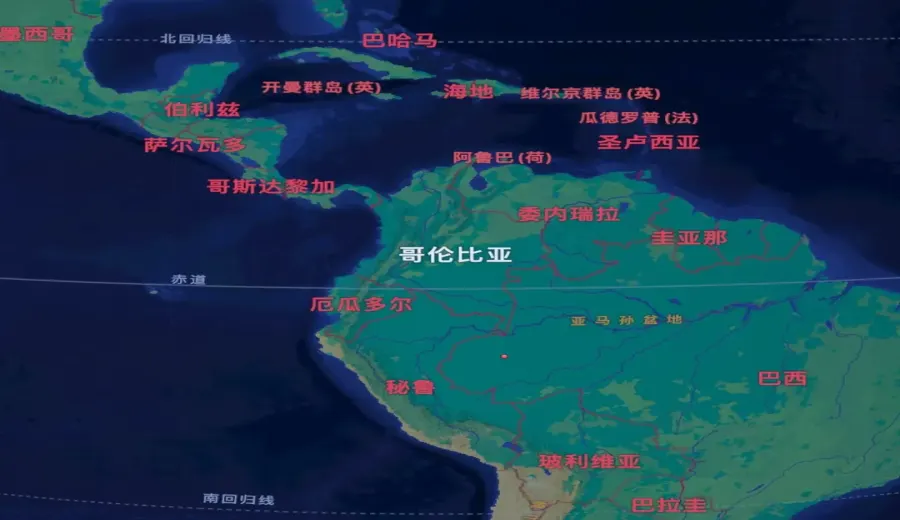
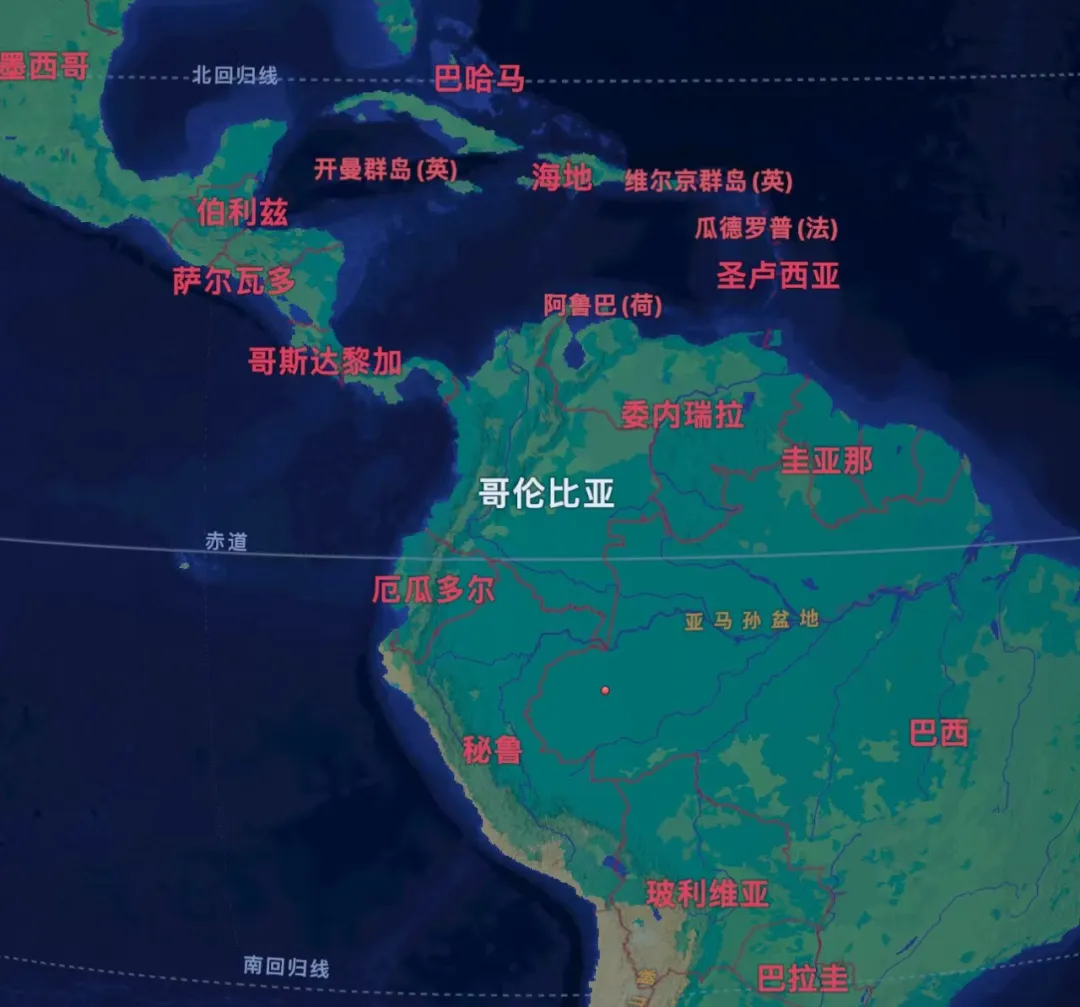
Located in the northern part of South America, Colombia has dual coastlines facing the Pacific Ocean and the Caribbean Sea, and shares borders with Venezuela, Brazil, Ecuador, Peru, and Panama. The country covers approximately 114,000 square kilometers, with terrain that includes western mountains, eastern plains, and multiple coastal areas. The Andes Mountains run vertically through the country, divided into three major branches—eastern, central, and western—with an average elevation exceeding 3,000 meters. The region is dotted with numerous volcanoes and rivers, providing an excellent natural barrier and diverse ecosystem for coffee cultivation.
The national flag consists of three horizontal stripes in yellow, blue, and red. Yellow symbolizes fertile land and national wealth, as well as justice and harmony; blue represents the surrounding oceans; and red embodies the spirit of sacrifice and progress. The overall design deeply reflects the cultural heritage of the nation. The country’s climate, influenced by altitude throughout the year, results in diverse climate types such as tropical rainforest, subtropical, and tropical savanna. Coupled with distinct wet and dry seasons, these conditions create ideal environments for coffee tree growth.
Colombia’s coffee regions exhibit clear flavor differences based on altitude and geographical location. The main harvest seasons are the primary season from October to January of the following year, and the secondary season from April to July. The five most representative regions are as follows:
Antioquia is the cradle of coffee in Colombia. Not only does it account for the largest share of the country’s production—about 7%—but it also boasts over 18,000 hectares of planted area and 9,800 coffee farming families. Located in the northwest, the region features diverse terrain, including both large-scale farms and smallholder operations, making it an important window into the multifaceted nature of Colombian coffee.
Santander is situated in the northern Andes Mountains, with planting altitudes of around 1,400 to 1,700 meters. Although its contributions to the history of coffee development are often overlooked, it is one of the earliest areas in the country to engage in coffee cultivation. The main varieties here are rust-resistant ones such as Caturra and Castillo, making Santander one of the regions in Colombia—and even globally—with better disease resistance. Its production accounts for about 5% of the national total.
Narino is located in the southwest of Colombia, bordering the Pacific Ocean and Ecuador. The region features rugged mountains, with coffee cultivation primarily concentrated in volcanic soil areas at altitudes of 1,600 to 2,300 meters. Numerous rivers run through the highland terrain, making it a typical high-altitude coffee region that nurtures many specialty coffee smallholders. With an annual output of about 150,000 bags, it is an excellent choice for those seeking unique-flavor beans.
Cauca is one of the officially certified coffee origins in Colombia. The entire region has an average altitude of 1,758 meters, with significant day-night temperature variations—night temperatures often remain around 11°C—which helps coffee cherries ripen slowly and accumulate richer flavor compounds. As a result, Cauca coffee is known for its bright acidity and prominent sweetness.
Huila is hailed as Colombia’s most famous specialty coffee region. Nestled at the southern end of the central mountain range, it is home to over 70,000 coffee farmers and more than 16,000 hectares of planted area. The region mainly consists of hilly terrain surrounded by mountains, with altitudes ranging from 1,200 to 1,800 meters. Coupled with fertile volcanic soil, stable water sources, and special microclimates, Huila coffee delivers a rich yet smooth taste with distinct layers. Many best-selling beans from this region originate here, among which the Finca La Línea is a renowned representative of Huila.
For beginners, it is recommended to try washed medium-roast beans from the Huila region, made from the Caturra variety and grown at altitudes of about 1,500 to 1,800 meters. This coffee is suggested to be medium roasted and brewed using a V60 filter, with a 1:15 coffee-to-water ratio and water temperature of 92°C. It highlights a profile of dark chocolate, nuts, and caramel, accompanied by soft tropical fruit acidity and natural sweetness. The overall cup is balanced and easy to drink, making it highly suitable for daily consumption and brewing practice.
The above content is compiled by CoffeeHunters, a coffee news website.


