







Introduction:Many coffee enthusiasts have this question: how long can ground coffee beans be stored after being ground? In fact, the optimal flavor period for ground coffee is only about one month, much shorter than the two months for whole beans. This is mainly due to the rapid loss of carbon dioxide, which leads to an accelerated dissipation of aroma. This article delves into the reasons behind the decline in ground coffee flavor and provides practical storage tips, including how to choose airtight containers, reduce the number of openings, and control the storage environment, helping you effectively extend the flavor life of your ground coffee.
Once coffee beans are ground, their optimal flavor period quickly shortens, typically lasting only about one month—far less than the roughly two-month golden drinking window for whole beans. This difference is primarily due to the faster rate of carbon dioxide loss. When coffee beans remain whole, the internally stored carbon dioxide can inhibit aroma evaporation to some extent and slow down the loss of flavor compounds. However, the grinding process breaks the beans’ sealed structure, significantly increasing the surface area exposed to air, causing carbon dioxide to escape rapidly and thus accelerating the dissipation of aroma.
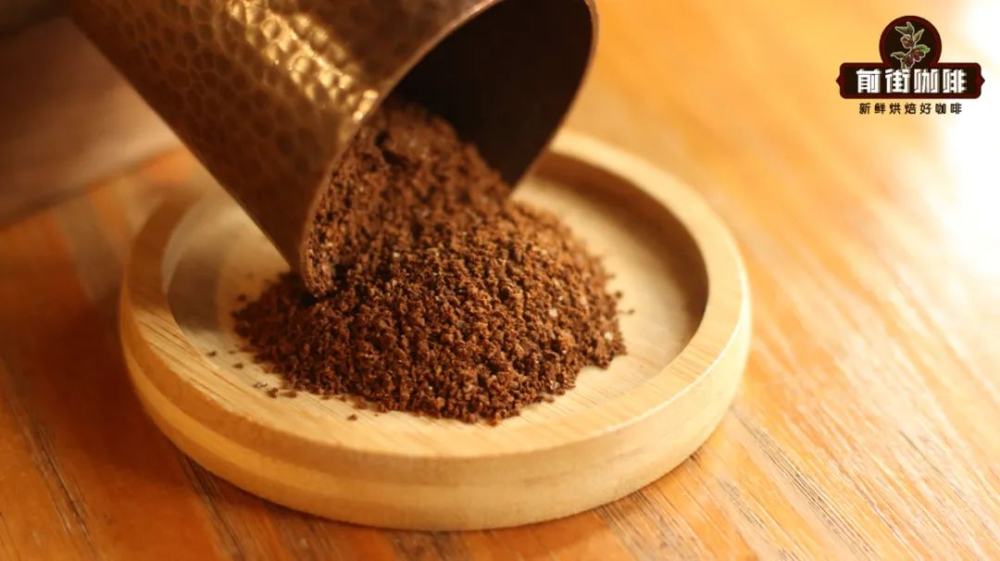
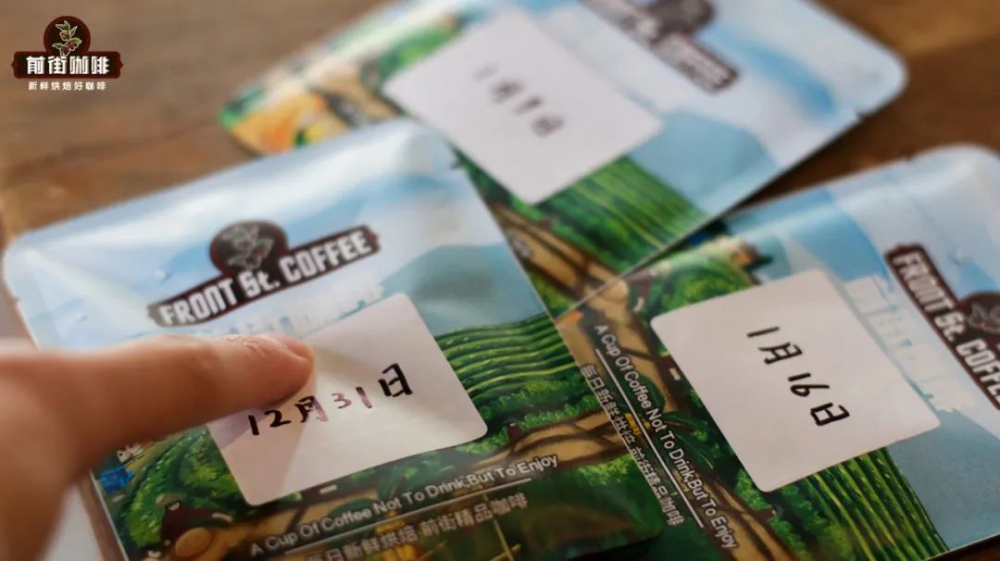
As early as the beginning of last year, we conducted a series of practical tests on this topic. The method involved grinding coffee beans at different time points and immediately sealing them for storage, then observing the flavor performance of each sample after a period of rest. The results showed that under normal temperature and sealed conditions, samples at 14 and 21 days still retained good aroma and flavor characteristics, but by 30 days, the flavors had noticeably faded. From this, it is clear that the optimal flavor period for ground coffee generally does not exceed one month. It’s worth noting that although the aroma significantly weakens, the basic taste attributes such as acidity, sweetness, and bitterness do not completely disappear. One reader described it as: “The taste is still there, just without that enticing coffee aroma.”
So why does the flavor of ground coffee deteriorate so much faster than that of whole beans? The key factor is the familiar “carbon dioxide.” During the roasting process, coffee produces a large amount of carbon dioxide, which not only helps influence the release rhythm of flavors during extraction but can also “seal in” aroma molecules for a certain period, delaying their evaporation. When coffee beans are whole, their outer structure is tight, and carbon dioxide is released slowly; but once ground, the original protective barrier is destroyed, and the surface area exposed to air increases dramatically, leading to a rapid loss of carbon dioxide and a consequent quick dissipation of aroma.
When the carbon dioxide that blocks aroma evaporation is greatly reduced, flavor compounds are more likely to escape with the air, resulting in a noticeable overall decline in aroma. However, it must be emphasized that this process mainly affects aroma, not the basic taste aspects. If you find that your brewed coffee has “weaker fragrance” but the balance of acidity, sweetness, and bitterness remains, that is a typical sign of flavor loss. For this reason, many baristas recommend adopting a strategy of buying in small quantities frequently to ensure that each cup is made with freshly aromatic ground coffee.
If you cannot avoid purchasing pre-ground coffee or find yourself unable to use up all the coffee you grind at home in one go, it is recommended to master the following practical preservation techniques to effectively slow down flavor loss:
1. Focus on the seal of the packaging
Many semi-professional shops will apply a seal strip (especially near the degassing valve) when selling ground coffee, reducing oxygen ingress and extending the flavor shelf life. However, once opened, the original sealing effect is greatly compromised, and air can easily seep in through the bag opening or other gaps. Therefore, it is recommended to purchase a vacuum-sealable container or at least use a tightly lidded airtight container to expel air and reduce the oxidative impact on the aroma.
2. Reduce the number and duration of openings
Every time you access the ground coffee, you open the container, allowing the residual coffee inside to come into contact with a large amount of fresh air, leading to rapid loss of aroma compounds. The more times you open the container and the longer each opening lasts, the more severe the flavor loss will be. To minimize the impact, it is advised to seal the container immediately after measuring out the needed amount, keeping the exposure time of the coffee to air as short as possible. Another practical method is to divide the coffee into several portions and store them in separate smaller containers, opening only the one you’re about to use to avoid frequent opening causing the rest to oxidize prematurely.
3. Choose a suitable storage environment
Whether it’s whole coffee beans or ground coffee, both should be kept away from high temperatures and humid environments. High temperatures can accelerate aroma evaporation, while humidity may cause the coffee to absorb moisture, clump, or even develop off-flavors. The ideal storage conditions are cool, dry room temperature environments, such as the back of a cabinet or inside a drawer, avoiding direct sunlight and places with significant temperature fluctuations, which helps the coffee maintain its original aroma for a longer time.
In summary, although ground coffee is convenient for immediate brewing, its flavor shelf life is significantly shorter than that of whole beans. Understanding the critical role of carbon dioxide in aroma preservation, along with mastering proper sealing, opening, and storage techniques, will help you fully enjoy the best flavor of every cup. With attention to detail, you can still experience a freshly ground-like rich taste even at home.
The above content is compiled by CoffeeHunters, a coffee news website.


