







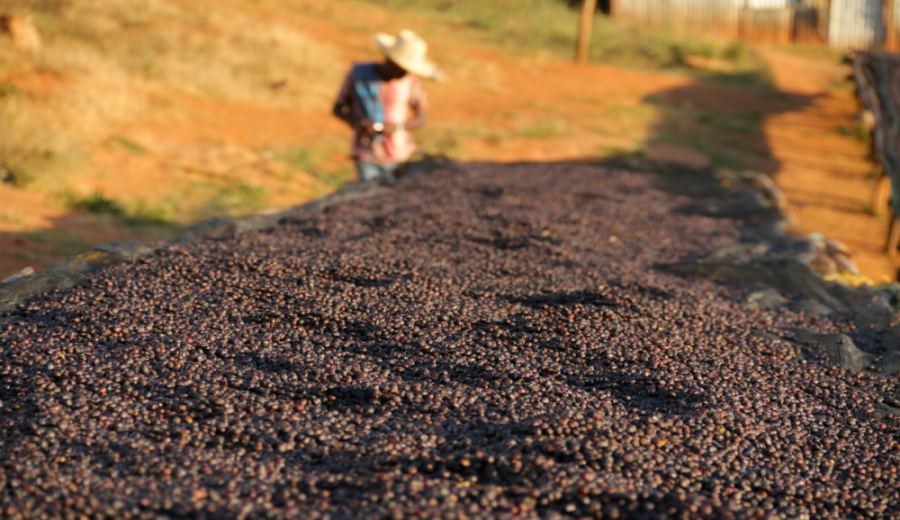
Introduction:Delve into the geography and climate characteristics of Ethiopia, the sacred birthplace of coffee, and explore the unique terroirs and flavor profiles of renowned regions such as Sidamo, Yirgacheffe, Guji, and Bebeka. This article not only introduces the typical traits of coffee beans from each area but also provides practical pour over parameters and flavor analyses, making it a useful guide for beginners selecting and brewing Ethiopian beans.
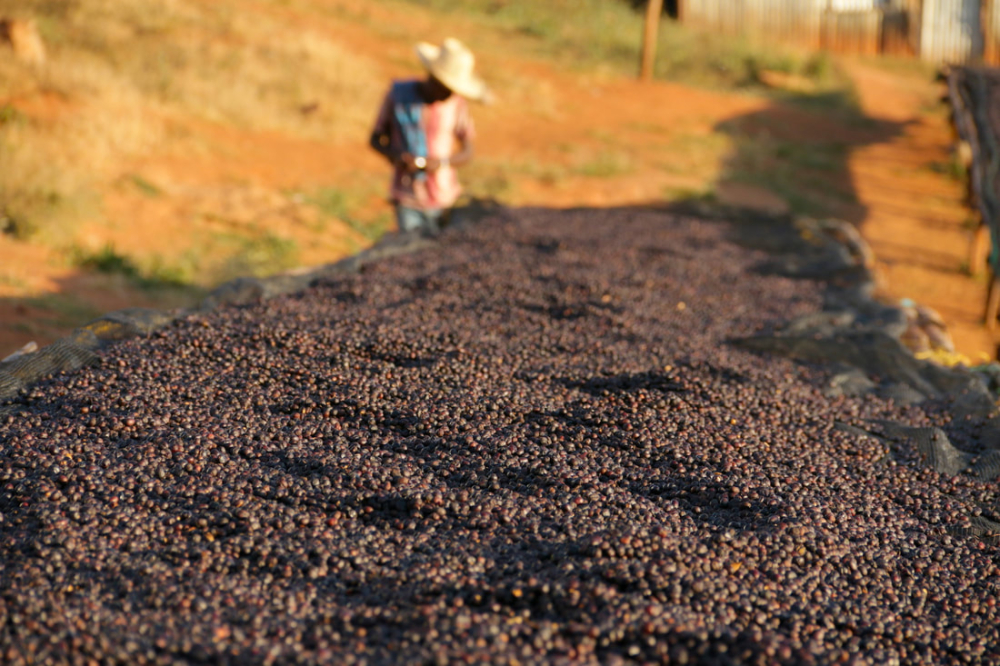
Ethiopia is hailed as the cradle of coffee, not only being a major origin of Arabica coffee globally but also the largest Arabica producer in Africa. This inland country in Northeast Africa, with its diverse terrain, rich ecology, and suitable climate, nurtures numerous coffee regions with distinctive flavors. From the high-altitude terrain of Sidamo to the floral and fruity notes of Yirgacheffe, each region has its irreplaceable flavor personality. For coffee enthusiasts, understanding these regions is the first step toward advanced appreciation.
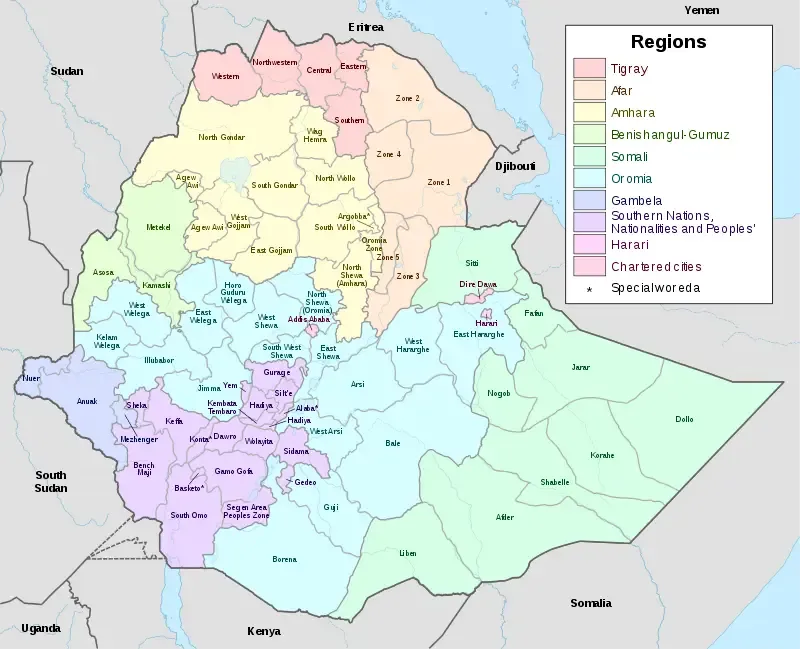
The Federal Democratic Republic of Ethiopia is located in the northeastern part of Africa, bordering Djibouti, Somalia, Sudan, South Sudan, Kenya, and Eritrea. The country is mostly composed of plateaus and mountains, with the famous East African Rift Valley running north to south. The national average altitude is about 2,450 meters, earning it the title "Roof of Africa." Due to its high elevation, cool climate, annual rainfall of approximately 1,237 millimeters, and several active volcanoes, Ethiopia offers ideal natural conditions for growing high-quality coffee.
Ethiopia has numerous coffee regions, among which Sidamo, Yirgacheffe, Guji, and Bebeka are the most well-known. Each region, due to differences in geographical location, altitude, microclimate, and processing methods, exhibits distinctly different flavor characteristics. These variations not only influence the aroma and taste of the coffee but also directly relate to the choice of brewing parameters and the final drinking experience.
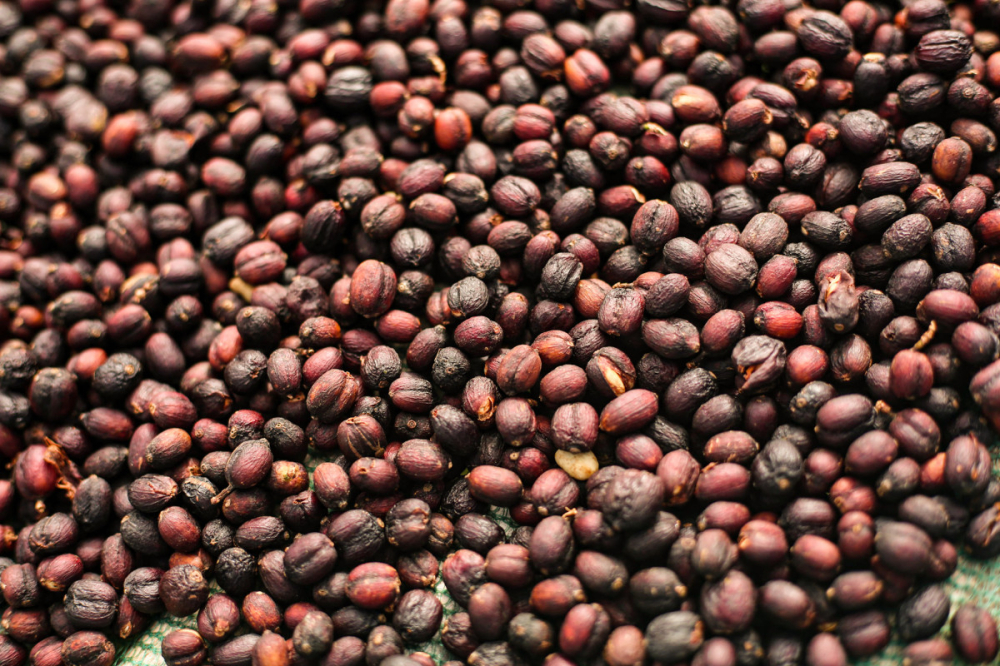
The Sidamo region, now officially known as Sidama, registered its historical name as a patent starting in 2004, and is one of Ethiopia’s important coffee-producing areas. Located near Lake Awasa at the southern end of the East African Rift Valley, this area sits at an altitude between 1,400 and 2,200 meters, with an annual rainfall of about 1,200 to 2,000 millimeters. The high altitude and ample rainfall create an environment suitable for growing Arabica coffee. Coffee from Sidamo often features bright acidity, rich floral and fruity notes, along with strong spicy and honey undertones. Well-known local processing stations such as Santa Maria and Gedeo contribute significantly to elevating the quality of coffee in the region.
Yirgacheffe was originally a high-altitude mountain town within the Sidamo province, situated at an altitude of about 1,750 to 2,200 meters. Located on the eastern edge of the East African Rift Valley, it enjoys a humid climate and fertile soil, making it an extremely representative coffee region. Initially part of the Sidamo region, it was later designated as an independent coffee-growing zone due to the unique floral, citrus, and tea-like flavors of its coffee. Yirgacheffe coffee often showcases bright lemon acidity, elegant jasmine and blueberry aromas, with a refreshing and layered mouthfeel, making it a top choice for many pour over enthusiasts.
The Guji region was previously categorized under Sidamo, but due to its unique geographical environment and outstanding coffee flavors, it was elevated to an independent region by the Ethiopian Commodity Exchange (ECX) in 2010. Located in southern Ethiopia, Guji features diverse terrain, including high mountains, plateaus, valleys, and forests, with an average altitude exceeding 1,800 meters. The significant day-night temperature variation helps coffee cherries ripen slowly, accumulating richer flavor compounds. Sub-regions under Guji, such as Hambella, Uraga, and Shakiso, each exhibit distinct microclimatic traits. Among them, the Hambella region produces the Hambella variety (often referred to as “Huankai” in Chinese markets), which is widely praised for its intense berry and floral notes. Notably, the 2025 new-season Huankai Geisha coffee beans have also been released, offering coffee aficionados who love special varieties a new option.
Bebeka is located in the southwestern part of Ethiopia, within the Bench Maji region, near the South Sudan border. This area gained fame due to the Gesha Village Coffee Estate, whose Geisha variety is believed to originate from the wild forests of the Bench Maji region. The altitude and ecological environment of Bebeka provide ideal growing conditions for the rare Geisha variety, allowing it to display highly distinctive floral, tropical fruit, and tea aromas, with delicate acidity and a long-lasting aftertaste.
If you’re just beginning to explore Ethiopian coffee, you might want to start with classic washed Yirgacheffe beans. It’s recommended to use a V60 dripper for pour over, with a coffee-to-water ratio set at 1:15 and water temperature controlled around 92°C. During the brewing process, you’ll first notice distinct jasmine and citrus aromas. Upon tasting, you’ll experience a fresh lemon acidity accompanied by flavors of orange and berries, with a soft caramel sweetness in the aftertaste. The overall mouthfeel is clean and smooth, making it very suitable for daily drinking and flavor training.
The above content is compiled by CoffeeHunters, a coffee news website.


