







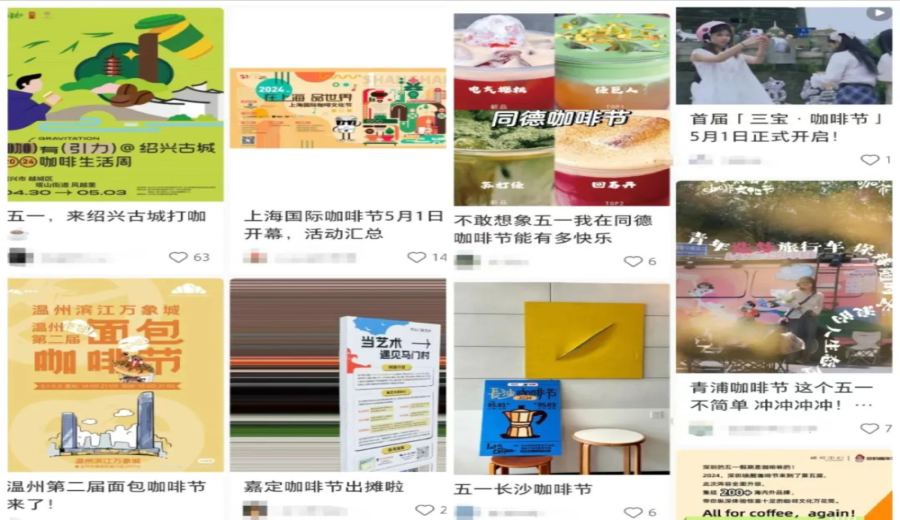
Introduction:During the May Day holiday, six coffee festivals kicked off simultaneously in Shanghai, attracting numerous coffee enthusiasts eager to sample various brews. However, the events sparked widespread discussion due to issues such as an overabundance of creative specialty drinks, high prices, and limited tasting opportunities. This article takes an in-depth look at the on-site situation of Shanghai’s coffee festivals, explores how the original intent of industry exchange transformed into a showcase of specialty drinks, and offers practical advice to help readers avoid common pitfalls.
The May Day holiday is a prime time for many coffee lovers to visit cafes, but popular shops often have long queues that can be off-putting. To sample multiple coffees more efficiently, many have turned to coffee festivals, where they can try a variety of unique flavors from different vendors all at once—saving time and maximizing enjoyment.
According to information from social media platforms, Shanghai, known as the “coffee capital,” hosted six coffee festival events across multiple districts during this year’s May Day period, a density that drew considerable attention. Moreover, other cities including Guangzhou, Shenzhen, and Xiamen also launched holiday-exclusive coffee markets, reflecting the growing prevalence of coffee culture.
Shanghai not only boasts a deep-rooted coffee culture but also has a massive coffee consumption market thanks to its population of over 20 million residents. Especially in busy office and commercial districts, caffeine has become a daily necessity for many professionals. As a result, even with six coffee festivals taking place concurrently, many netizens felt it might still not meet the expectations of all coffee aficionados.
However, as coffee-themed events have become increasingly frequent, concerns about inconsistent quality have also emerged. Many attendees reported limited opportunities for sampling—most booths sold standard-sized cups rather than offering small tasting portions, causing consumers to lose interest in trying additional drinks after just one or two.
Additionally, the proliferation of creative specialty drinks at coffee festivals has stirred debate. Some baristas, aiming to capture attention, introduced novel combinations—some mixed juices and syrups to create flavorful “dessert-like” beverages, while others boldly paired non-traditional ingredients such as spices, fruits, or even alcohol to craft visually and gustatorily striking creations. Yet these creative coffees generally come with high price tags, around 40–50 RMB per cup, and vary widely in quality. Consumers often find themselves “disappointed” by certain drinks, with many untasted beverages ending up in the trash.
The original purpose of coffee festivals was to provide a platform for enthusiasts to exchange experiences, explore diverse flavors, and observe the creativity and craftsmanship of baristas up close—helping participants discover their personal favorites. But nowadays, the events have gradually shifted toward showcasing elaborate specialty drink techniques. Some netizens joke that coffee festivals seem to be transforming from “industry exchange gatherings” into “specialty drink tech expos.”
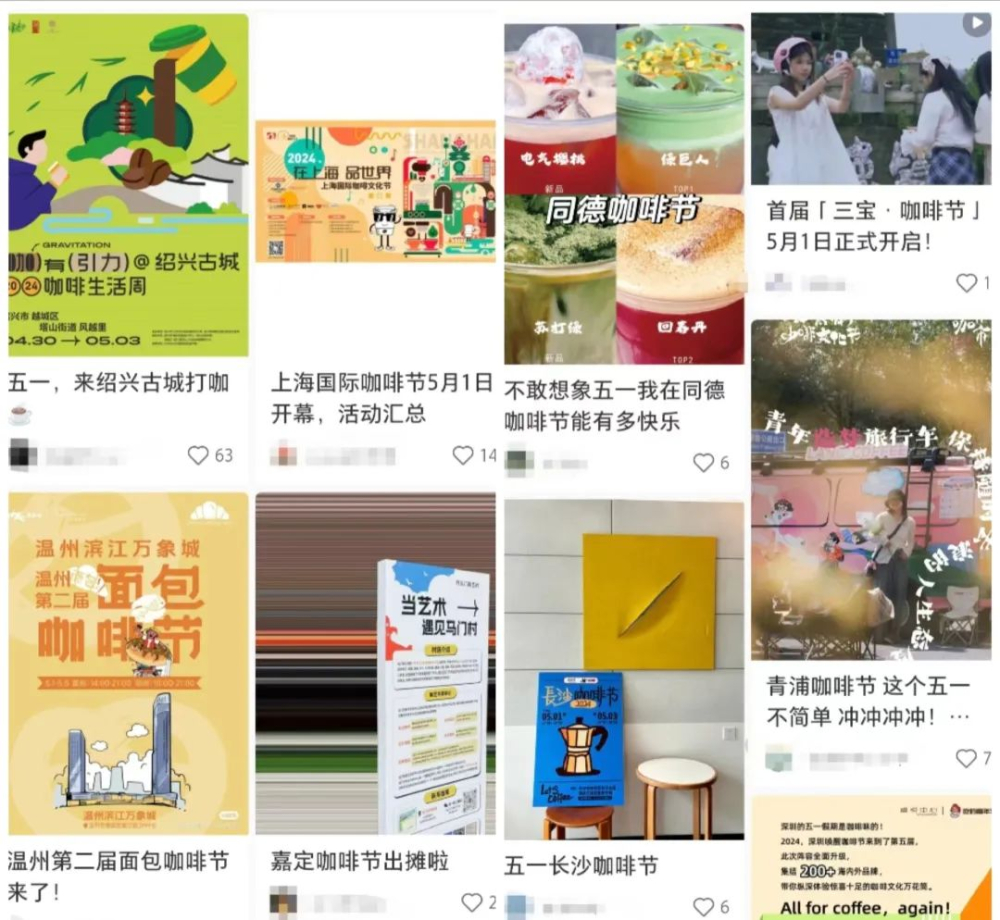
Image source: Xiaohongshu
For readers planning to attend a coffee festival, it is recommended to check the event map and booth information in advance, prioritizing those that offer tasting samples or smaller cup options. Pay attention to drink ingredients and pricing to avoid overspending on novelties that may not meet your expectations. Additionally, if time allows, consider visiting during off-peak hours to reduce wait times and enjoy the various flavors at a more leisurely pace.
The above content is compiled by CoffeeHunters, a coffee news website.


