







Introduction:Explore the unique charm of Yemen, this ancient kingdom of coffee, from the trading history of the Mocha Port in the 15th century to the traditional cultivation methods still upheld in the central highlands today. Learn how Yemeni coffee thrives in harsh environments to produce bright acidity and rich aroma, delve into the geographical features and variety characteristics of its main producing regions, help you choose the most suitable Yemeni coffee beans, and master the key points for appreciating these rare beans.
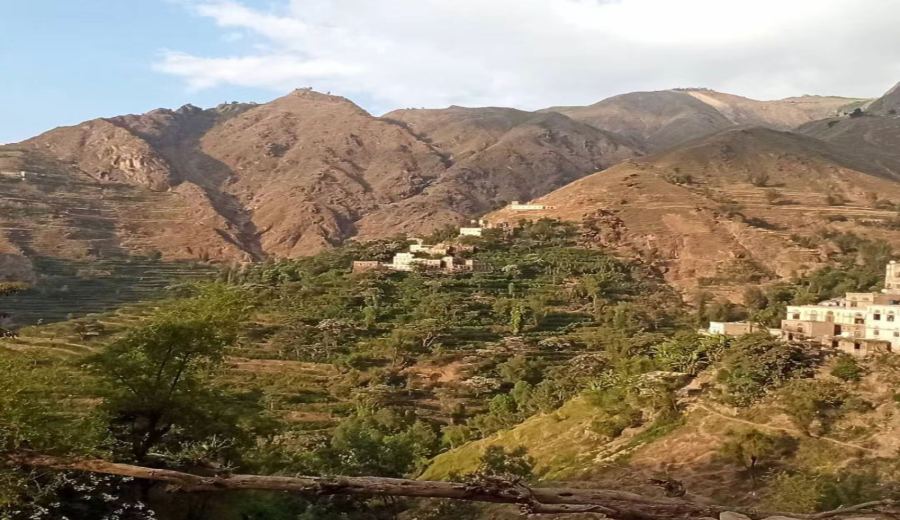
Yemen, a country located in the southwestern corner of the Arabian Peninsula, carries the world’s oldest coffee cultural heritage. From the golden age of the 15th century when Mocha Port served as a hub for coffee trade, to the centuries-old traditional cultivation techniques still practiced by farmers in the central highlands today, Yemeni coffee has always maintained its uniquely distinctive flavor profile. These coffee trees, growing in mountainous regions at elevations above 3,000 feet (approximately 914 meters), continue the Arabica varieties from centuries ago. Through natural cultivation without the use of pesticides or chemical fertilizers, traditional tree-dried processing methods, as well as meticulous stone-milling and hand-sorting procedures, they ultimately present the classic Mocha traits of intense flavor and rich complexity.
The geographic location of the Republic of Yemen is highly strategic, covering the southwestern tip of the Arabian Peninsula. It borders Saudi Arabia to the north, the Arabian Sea and the Gulf of Aden to the south, Oman to the east, and faces the African continent across the Mandeb Strait to the west. This country, with a total area of 528,000 square kilometers, features diverse terrain categorized into five types: mountains, plateaus, coastal plains, deserts, and islands. Notably, southern Yemen has a typical tropical arid climate, with average temperatures during the hot season from April to October reaching up to 37°C, while the cool season from November to March remains around 27°C. The northern region shows significant climatic differences: areas near the Rub' al Khali Desert in the east are extremely dry and hot, whereas the western Tihamah region along the Red Sea coast is known for its high temperature and humidity. Summer temperatures often exceed 35°C, with humidity consistently maintained at 80%–90%. Despite annual precipitation of less than 400 mm, it is one of the relatively wetter areas on the Arabian Peninsula.
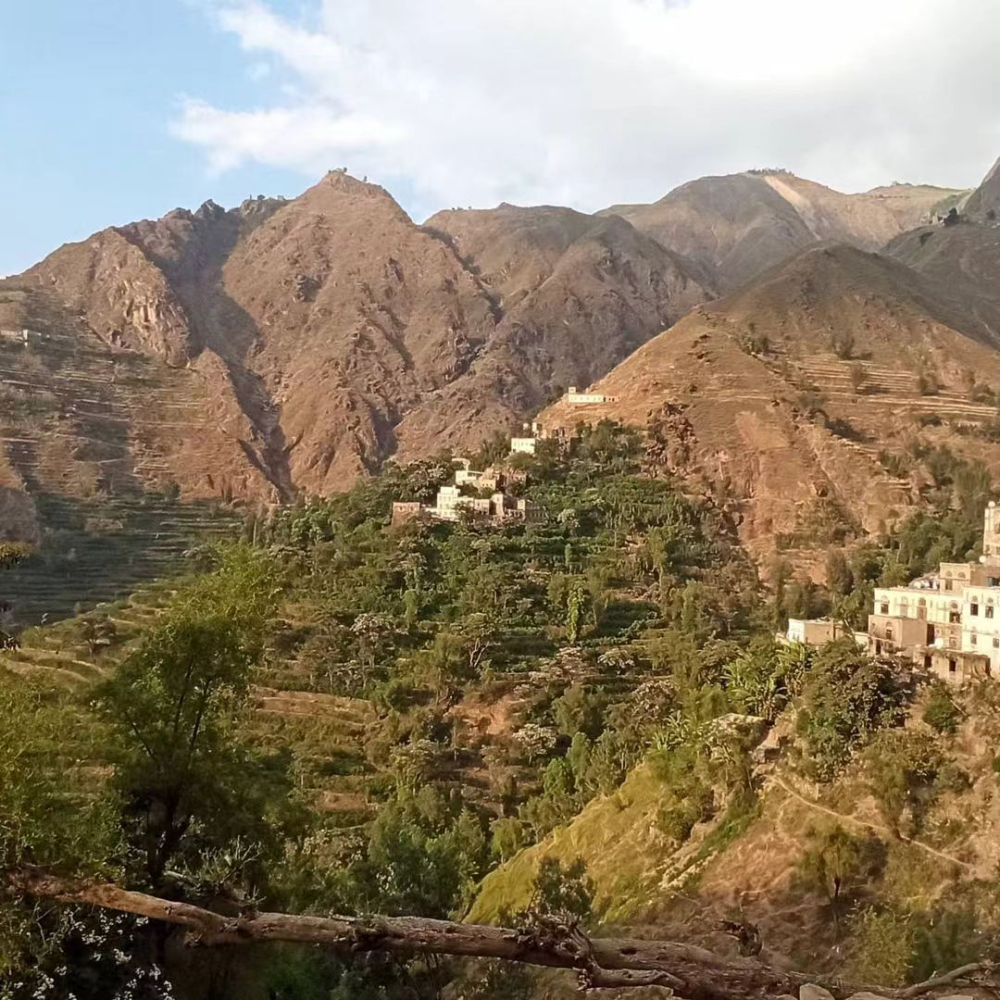
The cultivation tradition of Yemeni coffee can be traced back several centuries, and local farmers still follow a complete production system developed from ancestral wisdom. Coffee seedlings are first nurtured in protected nurseries until they are robust, then transplanted to high-altitude mountainous regions above 3,000 feet. The entire growth cycle strictly adheres to natural farming methods, with no use of chemical pesticides or fertilizers. When the coffee cherries reach maturity, farmers allow them to continue hanging on the trees to dry naturally. Once the moisture content reaches the ideal standard, traditional stone mills are used to remove the outer skin and silver skin. Then, skilled workers conduct multiple rounds of manual sorting to ensure each coffee bean meets the highest quality standards. This elaborate processing method gives Yemeni coffee its unique physical characteristics: the beans are uniformly plump and full, with colors ranging from light green to yellowish-brown in gradual transition, and they release an instantly recognizable, intense aroma after grinding.
Observing the distribution of Yemeni coffee-producing regions, it is evident that the majority of high-quality coffee farms are concentrated in the central highlands. The main varieties cultivated here are Typica and Bourbon, along with an extremely rare ancient variant — Udayni, which is a genetically distinct branch of the Typica family. The harvest period for all major varieties is concentrated between October and December each year, when the large diurnal temperature variations in high-altitude regions help coffee cherries accumulate rich flavor compounds.It is particularly noteworthy that Yemeni coffee beans are generally smaller in size compared to other Arabica varieties from different regions, but this physical trait is often positively correlated with more intense flavor expression.
The Sana’a Basin, as Yemen’s largest coffee-producing region, enjoys a uniquely advantageous geographic location nestled between the fertile plateaus of Jabal An-Nabi Shu’ayb and Jabal an-Naqam. With an average elevation of 2,200 meters, it supplies a large quantity of high-quality coffee to the international market during the harvest period from October to December. The local Mattari is also a renowned hub for coffee trading and distribution.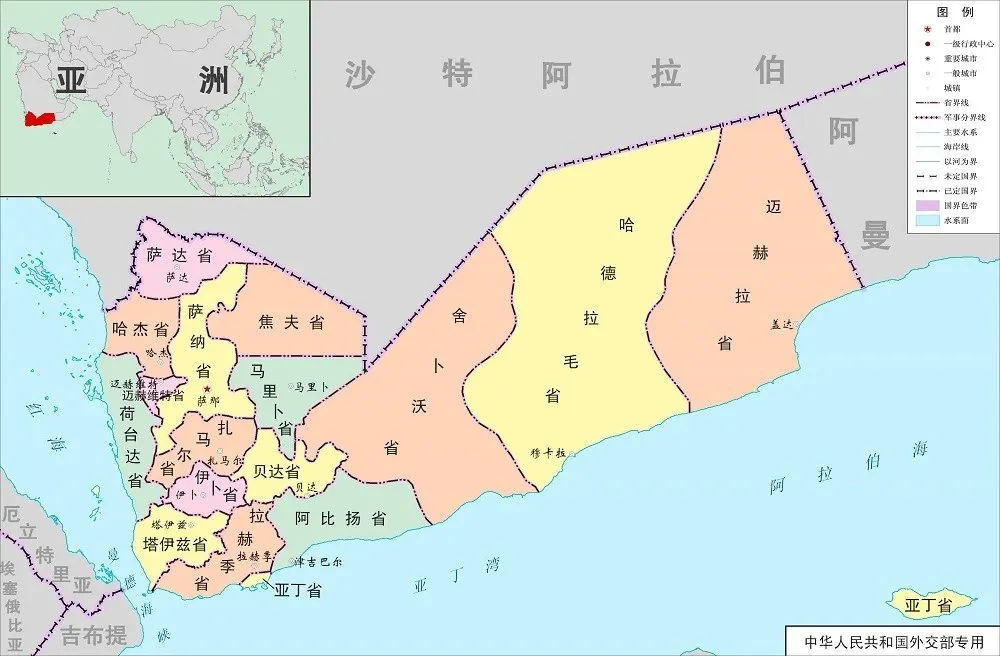 The microclimate of this basin is particularly suitable for the growth of coffee trees, with day-night temperature differences promoting a perfect balance between sweetness and acidity. In comparison, Raymah Governorate, though with a slightly lower average elevation (around 1,850 meters), offers a diverse microclimate environment across its varying altitudes of 1,800–2,100 meters, making it another important harvest period from October to December. This province, which served as a crucial distribution hub for coffee en route to ports from the 15th to the 18th century, remains to this day a demonstration-producing region for sustainable water resource management initiatives promoted by non-governmental organizations.
Sa’dah Governorate, located in the northern part of the country and situated at an elevation of about 1,800 meters, possesses unique microclimatic characteristics due to its proximity to the border with Saudi Arabia. Notably, this region experienced internal conflict in 2004, which significantly impacted the coffee industry. As an important representative of the Arabica species, Yemeni coffee beans — particularly those of the Mocha variety — exhibit a flavor profile distinctly different from other regions: although the beans are small in size, they possess unusually bright and vivid acidity. This characteristic makes them a key component in specialty coffee blends for enhancing overall flavor profiles, earning them the industry title of "the wine among coffees." Professional baristas recommend using a medium-light roast level and brewing with water at 90–93°C via the pour over method to extract the optimal balance of acidity and sweetness, as well as complex layers of aroma.
The above content is compiled by CoffeeHunters, a coffee news website.


