







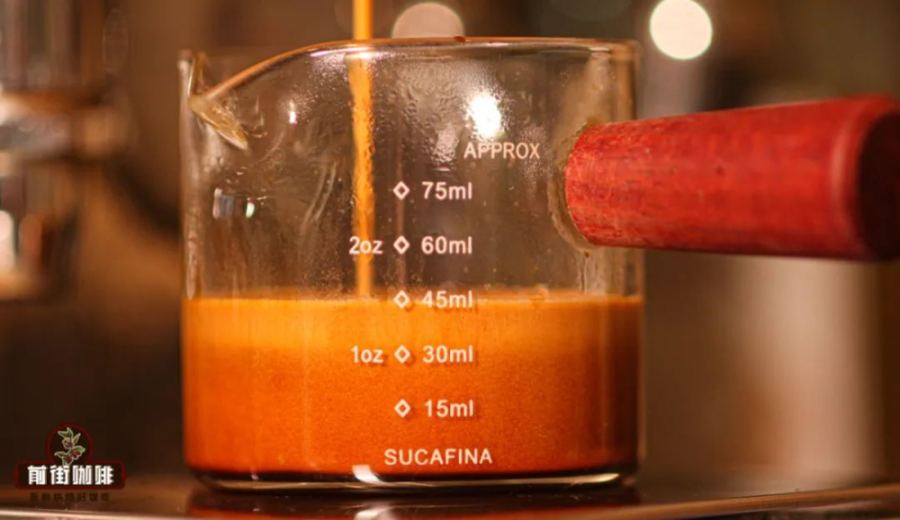
Introduction:The crema on the surface of an espresso is often mistakenly thought to be an absolute indicator of flavor. In reality, this golden layer of foam is influenced by a combination of bean freshness, roast level, and extraction conditions. Understanding the true composition of crema and the reasons behind its variations can help you more accurately assess extraction quality and improve latte art stability. This article will analyze the key characteristics of high-quality crema, common issues and their causes, as well as how to achieve better crema performance through bean selection, aging, and grind adjustments.
The seemingly simple layer of foam on top of an espresso can sometimes be smooth and velvety, other times coarse and thin. Many people assume that the thicker and more golden the crema, the better the coffee tastes—but that’s not always the case. This so-called “foam” is actually called crema, and it’s a fine layer of microbubbles formed by a mix of carbon dioxide and coffee oils. Its appearance and stability are closely related to the bean’s freshness, roast depth, and brewing method.
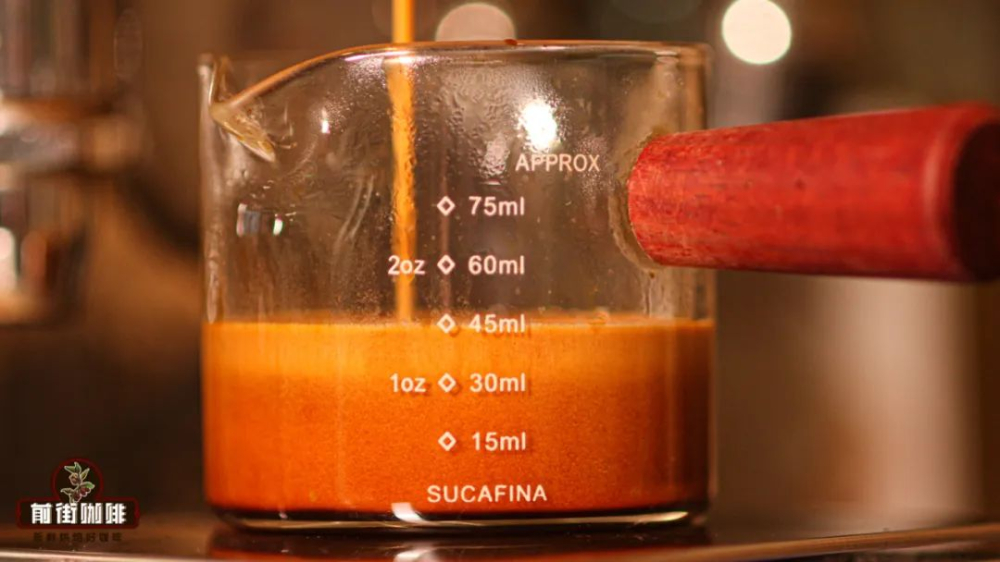
Crema can look vastly different—sometimes thick like cream, other times thin as paper. Sometimes it’s so smooth you can’t wait to taste it, other times so coarse it kills your interest. Many coffee enthusiasts judge whether an espresso will taste good based on crema’s appearance, but visuals alone can’t fully determine flavor quality. To truly understand the secrets behind it, we need to start with how crema is formed.
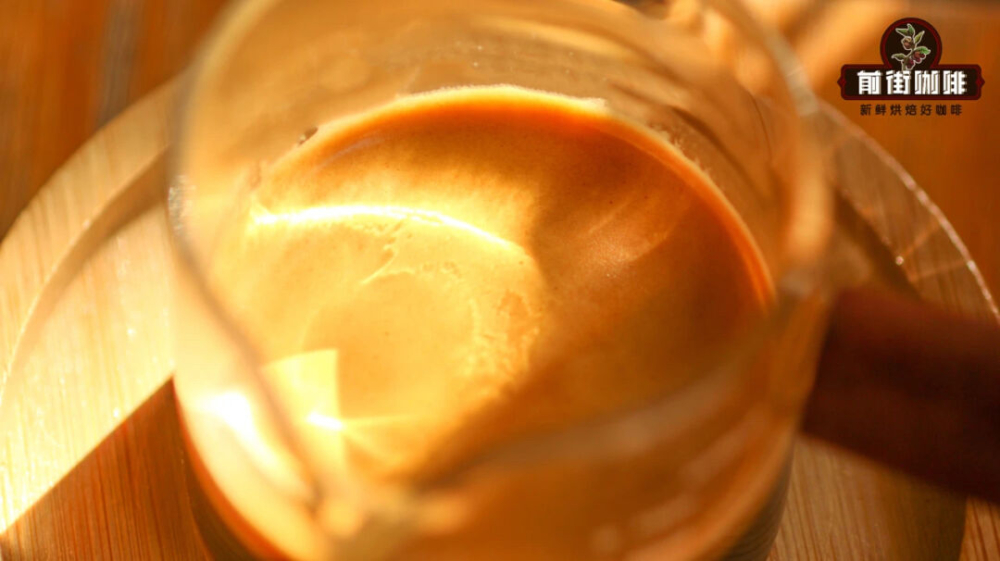
This so-called “foam” is actually a bubble-rich layer formed by the natural oils in coffee beans and carbon dioxide released under high pressure. When an espresso machine extracts at around 9 bars of pressure, hot water pushes carbon dioxide out of the coffee grounds and mixes it with oils. These bubbles travel through the filter basket’s tiny holes along with the coffee liquid, creating the familiar golden crema layer. But this foam gradually dissipates over time, leaving behind only the liquid oils from the beans.
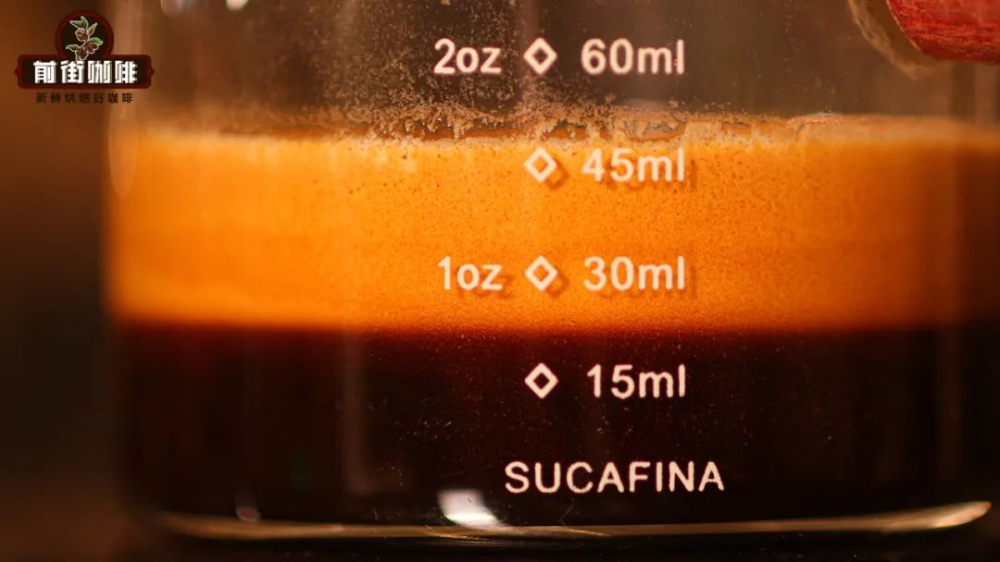
So, what qualifies as high-quality crema? Generally, ideal crema should have moderate thickness, a uniform golden or amber color, a fine and fluid texture, and a silky feel akin to cream when lightly shaken. Such crema is not only visually appealing but also helps maintain stable latte art, making patterns clearer and longer-lasting. But achieving this effect hinges on selecting the right beans and mastering extraction conditions.
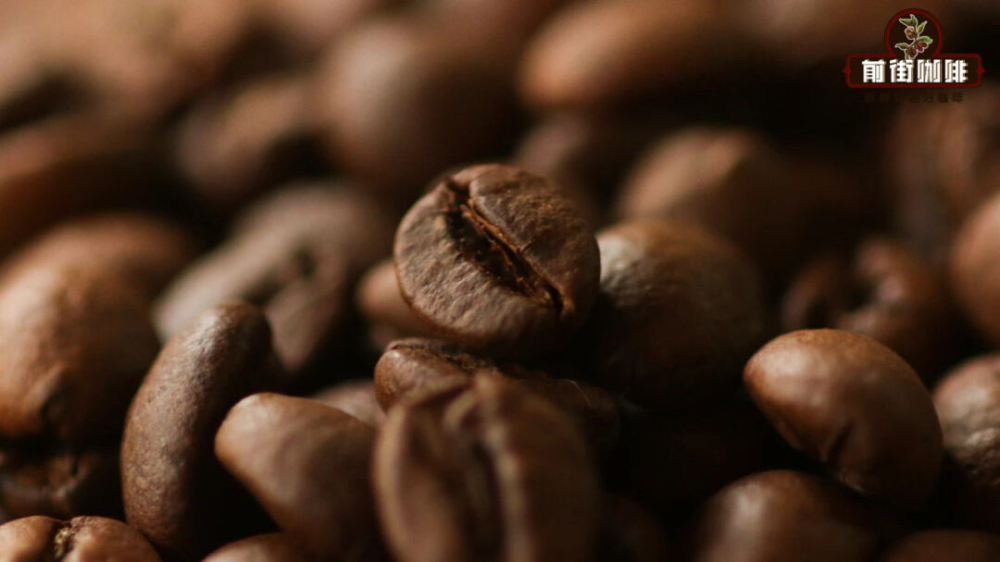
High-quality crema usually comes from medium to dark roasted coffee beans. A longer roast time helps release more oils and carbon dioxide. It’s recommended to use beans within two months of roasting to ensure sufficient carbon dioxide content. Additionally, blending in a moderate amount of Robusta beans can effectively increase crema thickness and stability, though the ratio must be carefully managed to avoid disrupting overall flavor balance.
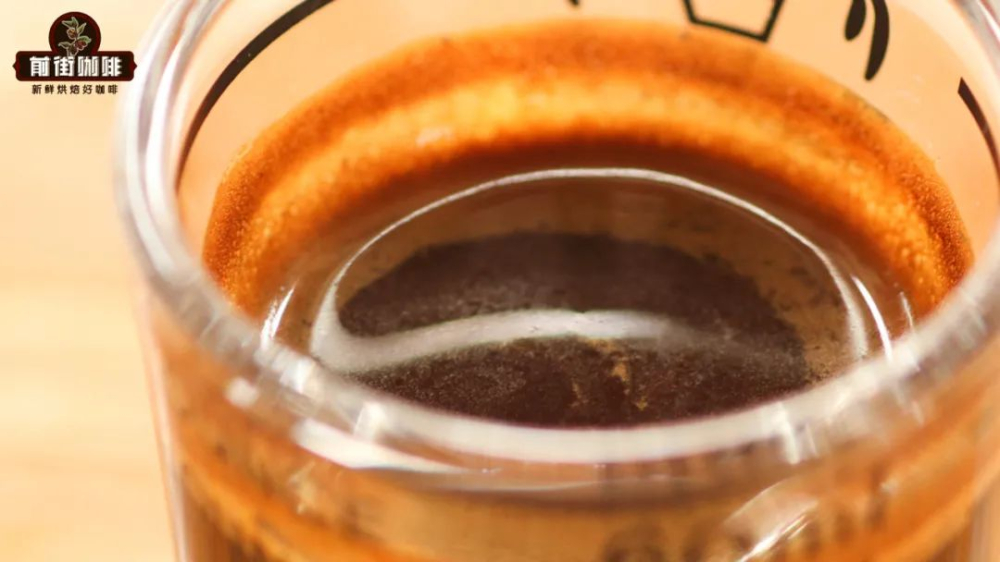
However, choosing the right beans isn’t enough—grind size and extraction parameters are equally crucial. If the grind is too coarse, water flows through too quickly, leading to under-extraction and thin or nonexistent crema. If the grind is too fine, over-extraction may occur, affecting taste and oil structure. It’s advisable to fine-tune grind size based on your espresso machine and portafilter characteristics, while maintaining consistent water temperature and pressure to achieve uniform extraction.
In practice, though, we often encounter two extremes: overly thick and coarse crema, or crema that’s too thin or absent altogether. The former usually happens when beans are too fresh—newly roasted beans contain a lot of carbon dioxide, which can’t be fully encapsulated by oils during extraction, resulting in excessive bubbles, loose structure, and quick-dissipating crema. In such cases, letting the beans rest for 3–7 days (“aging”) allows carbon dioxide to release naturally, improving extraction stability and flavor balance.
As for thin or missing crema, besides the beans possibly being past their prime and having lost most of their carbon dioxide, improper grind settings could also be the cause. If the grind is too coarse, water flows too fast, failing to extract enough oils and flavor compounds, making crema hard to form. In this case, check whether the grind size is appropriate and ensure that dose, tamp pressure, and extraction time are within reasonable ranges to maintain stable extraction pressure and flow rate.
In summary, while crema isn’t the sole criterion for evaluating espresso flavor, its appearance and texture do reflect a lot about bean condition and extraction parameters. By observing changes in crema, we can adjust roast selection, aging time, and grind settings in real time, further enhancing overall espresso quality and latte art success rates. Remember, good crema isn’t just beautiful foam—it’s a reflection of the art of extraction.
The above content is compiled by CoffeeHunters, a coffee news website.


