








Introduction:Want to uncover the secrets of cold water coffee extraction? This article delves into the principles, steps, and flavor characteristics of two common cold brewing methods—cold brew and ice drip—to help you choose the most suitable extraction method based on your taste preferences. From parameter settings to practical brewing tips, master the key knowledge of cold water coffee in one go and elevate your coffee tasting experience.
The flavor profile of coffee largely depends on the extraction method we choose. Whether it’s hot or cold brewing, drip or immersion, each technique highlights different layers of aroma and taste from the coffee beans. Among these, although both cold brew and ice drip fall under the low-temperature extraction category, they deliver distinctly different sensory experiences due to differences in their brewing principles and processes. This article will start with the basics, gradually breaking down how these two techniques influence the final flavor, and comparing their practical operation details.

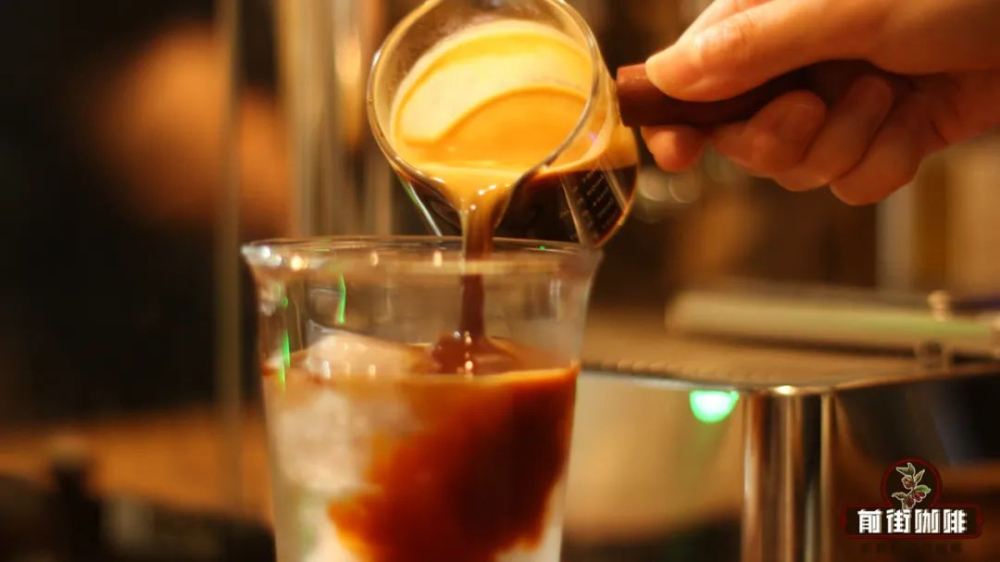
First, let’s understand how extraction methods shape coffee flavor. During hot brewing, high temperatures quickly dissolve soluble substances in coffee—including acidity, sweetness, and bitterness components—often showcasing rich layers in a short time. In contrast, cold water extraction, due to the low-temperature environment, releases compounds at a slower pace, prioritizing those with lower acidity, higher sweetness, and body. As a result, the final beverage is usually smoother, with fewer off-flavors and a unique refreshing tone.
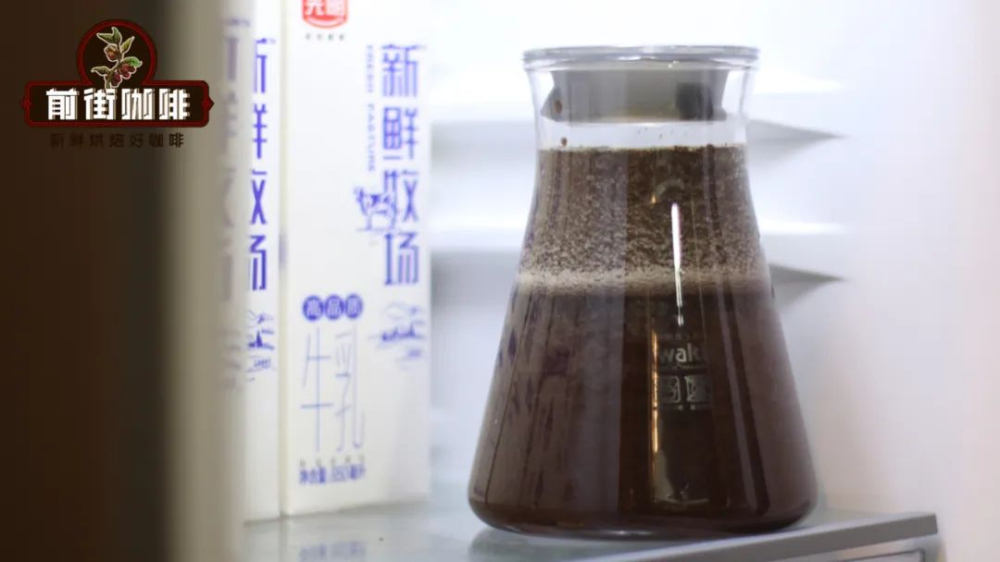
Next, let’s look at the specifics and characteristics of cold brew coffee. Cold Brew typically uses an immersion method, combining coarsely ground coffee powder with cold water in a certain ratio, and letting it steep for 12 to 24 hours, usually at room temperature or under refrigeration. During this process, without heat, the release of compounds is slow, effectively reducing the risk of over-extraction and minimizing bitterness. The recommended coffee-to-water ratio is generally around 1:8 to 1:12, with a grind size similar to that of a French press—coarse. After steeping, simply filter through a cloth or paper filter to enjoy. Coffee made this way usually has low acidity, pronounced sweetness, and soft fruity and chocolatey notes. Its low acidity also makes it more suitable for those who are not accustomed to strong or stimulating flavors.

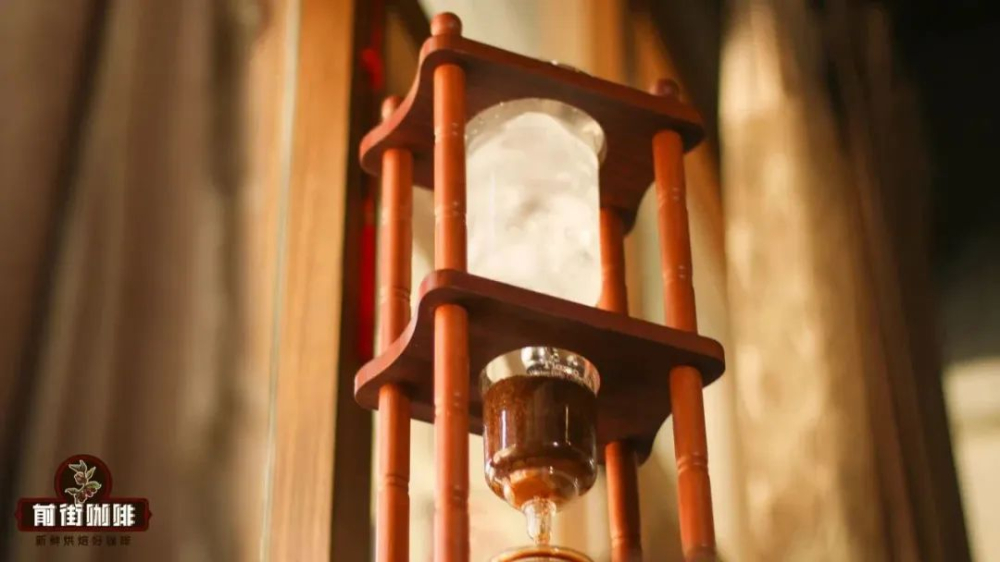
As for ice drip coffee (Ice Drip), it involves melting ice slowly dripping through a bed of coffee grounds to extract the flavors. This technique typically takes between 3 to 12 hours, depending on the drip rate and device design. During the ice drip process, the water temperature is nearly at freezing point, and the controlled dripping speed results in a gentler and more even extraction. Common ice drip setups include an upper ice reservoir, a middle filter layer, and a lower collection bottle, with the drip rate generally controlled at about 1 to 2 drops per minute. This slow and steady extraction method fully brings out the delicate aromas and complex layers of the coffee. Flavor-wise, it often exhibits higher clarity, with acidity slightly more pronounced than in cold brew but still smooth, along with a unique mineral sensation and a long-lasting aftertaste.
The main differences between cold brew and ice drip lie in the extraction mechanism and time control. Cold brew uses static immersion, resulting in a stable but less dynamic process overall; whereas ice drip utilizes the gravitational effect of melting ice dripping through the coffee grounds, allowing continuous interaction between water and coffee for a more refined extraction. Additionally, cold brew is usually suitable for large-batch preparation, convenient for storage and multiple servings; ice drip, due to higher equipment and time costs, is often made in smaller, more refined batches, emphasizing ritual and precise parameter settings. In terms of flavor, cold brew tends to be rich, smooth, and sweet-forward; ice drip shows higher clarity, with more three-dimensional acidity and aroma layers.

For readers who want to try making cold water coffee at home, here are some practical tips: Choosing medium-light to medium-roasted coffee beans can yield better fruity notes and a balanced acidity-sweetness profile; grind size should be adjusted according to the method—coarser for immersion, slightly finer for ice drip but not overly so; pay attention to hygiene and filtration steps to avoid residue affecting the taste; also, refrigerated storage can extend the flavor shelf life, but it’s best to consume within 3 to 7 days for the optimal experience. Regardless of which method you choose, repeated trials and fine-tuning of parameters are key to mastering your personal taste preference.
In summary, although both cold brew and ice drip belong to the cold water extraction category, each has its own unique craftsmanship and flavor charm. Understanding their differences and suitable scenarios can help you choose the most appropriate cold water coffee brewing method based on your personal preferences and situational needs. Whether you’re pursuing the simplicity and richness of cold brew or the delicacy and refinement of ice drip, both can add a different layer of enjoyment to your coffee experience.





The above content is compiled by CoffeeHunters, a coffee news website.


