







Introduction:Recently, the futures price of Robusta coffee has surged to an all-time high, with the market volatility driven by multiple factors including abnormal climate conditions, reduced production in key regions, farmers holding back sales, and the influx of speculative capital. This article delves into how supply constraints in major producing countries such as Vietnam are impacting the global market, and explores the real effects of this price surge on Arabica varieties, the trade chain, and consumers—helping readers grasp the critical trends in the market.
The international coffee futures market has recently seen a rare surge, with the price of Robusta coffee futures briefly breaking through $4,339 per ton , a historic high. July and September forward contracts also reached $4,239 and $4,246 per ton, respectively. This price rally not only affects the Robusta variety but also impacts the Arabica market, drawing heightened global attention to the coffee supply chain.
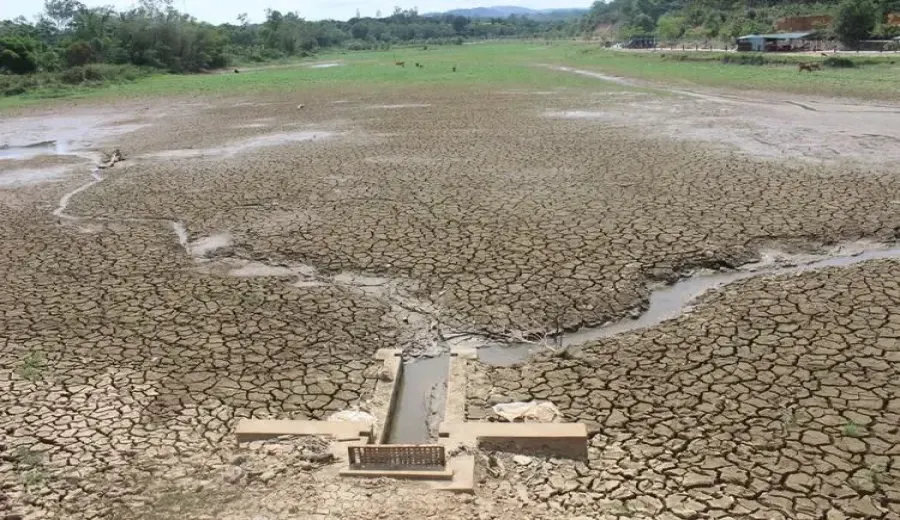
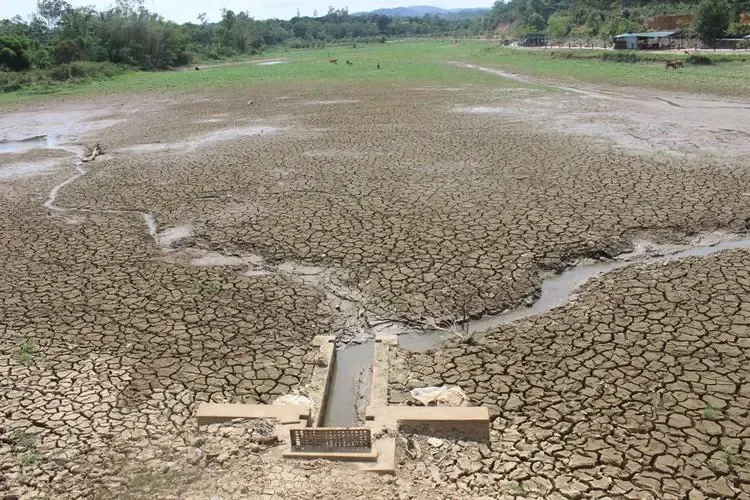
Behind this price spike is the production pressure faced by major growing regions such as Vietnam, Brazil, Indonesia, and Uganda. Vietnam’s situation is particularly severe—currently in the dry season, water levels in many lakes across the Central Highlands have dropped noticeably, and groundwater sources are gradually drying up. Coffee trees in their flowering stage are exhibiting symptoms such as yellowing leaves and wilting due to water shortages, directly leading to a sharp decline in yield.
According to a report from the Vietnam Coffee - Cocoa Association, even though export figures remain temporarily stable, coffee production in 2024 may decline by as much as 20%, which will further affect export performance in the second half of the year. Against the expectation of tightened supply, export volumes are also projected to be about 20%lower compared to the same period last year.
With expectations of continued low yields in the next harvest season and current prices still on an upward trend, Vietnamese coffee farmers are generally choosing to hoard beans, showing strong reluctance to sell—even instances of contract defaults have emerged. According to Bloomberg, the volume of unfulfilled forward contracts by Vietnamese farmers or traders for the 2023/24 season may reach 150,000 to 200,000 tons, accounting for 10% to 13%of annual production. Some traders have suffered losses due to a lack of beans to deliver, and to secure supplies, many buyers have had to bid up prices, pushing domestic coffee purchase prices in Vietnam up to 120–125 million VND per ton, with market forecasts suggesting prices could rise further to 150 million VND per ton.
The impact of inventory shortages has already begun to affect downstream businesses. Global food giant Nestlé stated that to maintain normal operations at its factories worldwide, it needs to increase coffee bean purchases from countries such as Brazil, India, and Indonesia to compensate for the shortfall in Vietnamese supply.
Notably, emerging markets such as South Korea are rapidly increasing their demand for Vietnamese coffee. In 2023, South Korea imported approximately 41,450 tonsof coffee from Vietnam, with an export value of $93.35 million, representing a growth of 17.9%compared to 2022. It is expected that Vietnam’s coffee market share in South Korea will continue to expand in 2024, with export value likely reaching $2.2 billion, further solidifying Vietnam’s position in the global coffee supply chain.
On the Arabica market front, although production in Brazil and Colombia remains relatively stable, the rise in cocoa futures prices has also had a knock-on effect on the coffee market. The world’s largest cocoa producer, Côte d’Ivoire, has experienced sharp fluctuations in cocoa prices due to political instability and supply chain disruptions, which in turn have driven up overall cocoa futures prices. Futures prices for cocoa in New York and London have risen by 166% and 189%, respectively. Coupled with the strength of Robusta due to reduced production in Vietnam, this has ultimately also lifted Arabica futures prices.
The simultaneous rise in cocoa and Robusta futures has drawn the attention of major investment institutions and capital markets to the soft commodities sector (including cocoa, coffee, and sugar). These investors react swiftly to market news, and through automated trading schemes and large capital inflows, have further driven up coffee futures prices.
At the same time, many buyers in Europe and the U.S. have turned to Central and South America to source Arabica coffee beans, also leading to a synchronous rise in prices for this variety. Industry insiders revealed that currently, overall green coffee bean quotes have risen by about 20%year-on-year, with the increase in Robusta coffee beans exceeding 30%, indicating that the market supply-demand imbalance continues to widen.
The above content is compiled by CoffeeHunters, a coffee news website.


