







Introduction:The retro glass cup recently launched by Manner Coffee, which had once sparked a buying frenzy with its cup giveaway campaign, has unexpectedly met with a cold reception. Is it due to the design falling short of expectations, material limitations affecting practicality, or have consumers become more rational? This article delves into the reasons behind the declining appeal of buy-and-gift promotions and offers practical advice on selecting coffee giveaways to help readers make smarter purchasing decisions.
Manner Coffee has long been known for its frequent cup giveaway campaigns. In the past, purchasing specified meal sets would earn customers a decent-quality tumbler, and this high-value combination was very popular among consumers. However, the latest retro-style glass cup giveaway has seen an unexpectedly lukewarm response, with prepared cups left untouched by customers, and the anticipated sales boom failing to materialize.
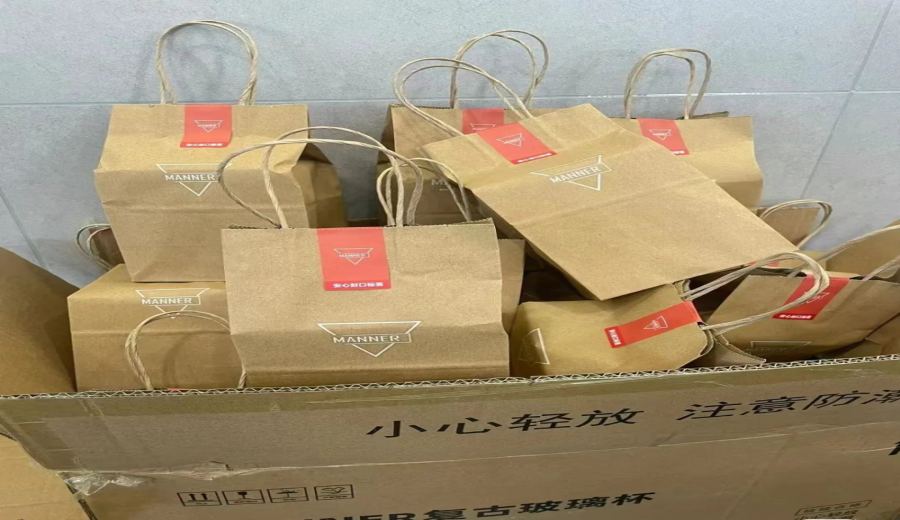
According to on-site observations, the staff had pre-packaged these retro glass cups in advance, but after the campaign began, no customers actively asked for them, forming a stark contrast with the bustling scenes during previous cup giveaway events. This situation took the staff by surprise, as this type of glass cup had previously achieved high popularity.
From consumer feedback, the reasons for the lukewarm response to this giveaway are multifaceted. First, some customers who care about aesthetics, upon seeing actual product photos, felt that the design of the retro glass cup was not as refined as expected. Second, the types of coffee included in the meal set (such as the popular Americano) did not suit the taste preferences of certain consumers. Additionally, some pointed out that although the cup giveaway itself offered good value, the retro glass cup has practical limitations for everyday use.
Practical considerations:This retro glass cup is made of ordinary soda-lime glass material,which is not resistant to sudden temperature changes,making it unsuitable for directly holding freshly brewed hot coffee (recommended temperature not exceeding 60°C), nor is it recommended for microwave heating. These limitations have deterred many consumers who are accustomed to enjoying hot beverages.
Manner has long used cup giveaway campaigns to attract younger customers. This strategy was originally effective in boosting trial rates of new products and increasing customer loyalty. However, as promotional activities have become increasingly frequent, consumers have gradually developed “promotion fatigue,” and even with changes to the types of giveaways, the effect has been far less impactful than before.
More crucially, modern consumers are making more rational shopping decisions. They no longer pursue mere surface-level “value for money” but instead comprehensively consider the practicality of the giveaway, their personal drinking habits, and the product’s quality.Taking this unpopular retro glass cup as an example, many consumers feel that while it may have collectible value, its lack of practicality for daily use makes them prefer not to participate in the campaign.
In addition, various brands’ buy-and-gift campaigns are emerging one after another, yet many giveaways end up as “nice to look at but not very useful” decorations. More and more consumers are beginning to reflect on this “buying just for the freebie” consumption pattern and are turning toward more practical shopping choices. Based on actual purchase feedback, this retro glass cup did not drive new product sales growth as expected.
As consumer habits change and awareness of promotional activities matures, coffee brands may need to adjust their buy-and-gift strategies in the future. The once-common scenes of long queues caused by giveaways may be hard to recreate, and situations of giveaway items remaining unsold may become more common.
For consumers, when facing various buy-and-gift promotions, it is advisable to evaluate from the following practical angles: first, confirm whether the giveaway meets your daily needs, especially considering material characteristics and usage limitations; second, assess whether the meal set content truly aligns with your drinking preferences; and finally, consider whether the purchase is driven by actual need or merely to obtain the giveaway. Such a rational consumption attitude can help avoid unnecessary expenses and resource waste.
The above content is compiled by CoffeeHunters, a coffee news website.


