








Introduction:Want to dive deeper into how Rwanda, the "Land of a Thousand Hills," cultivates specialty coffee with unique flavors? This article will take you on a journey to explore the geographical features, climate conditions of Rwanda’s major coffee-growing regions, as well as the distinctive flavor profiles and cultivation backgrounds of classic varieties such as Bourbon and Mibirizi—helping you select and appreciate the charm of highland African coffee more precisely.
On the map of Africa’s specialty coffee, while Ethiopia and Kenya often take the spotlight, Rwanda—an East African landlocked country known as the "Land of a Thousand Hills"—also garners international attention for its high-quality coffee. Located on the East African Plateau with an average elevation of about 1,600 meters, Rwanda enjoys a tropical highland climate with abundant rainfall and significant day-night temperature variations, creating an ideal environment for coffee tree growth. The country’s coffee harvest season generally spans from March to August each year, with key producing regions including Muraho, Lake Kivu, Huye, and Virunga. Each of these areas possesses unique microclimates and soil conditions, yielding coffee beans with diverse flavor characteristics.
The full name of Rwanda is the Republic of Rwanda, a landlocked nation bordered by Tanzania, Burundi, the Democratic Republic of the Congo (DRC), and Uganda. The country is divided into four provinces—Eastern, Southern, Western, and Northern—as well as Kigali, the capital city. Its flag features a meaningful design with blue, yellow, and green as the main colors, symbolizing peace, prosperity, and hope, while the sun emblem in the upper right corner represents the unity of the people and their commitment to knowledge. Beyond its breathtaking natural landscapes, which include volcanoes, lakes, and rich biodiversity, Rwanda is also known as the "Land of a Thousand Hills" due to its high average elevation, and it is even home to the source of the Nile River.
In terms of climate, although Rwanda is close to the equator, its altitude keeps temperatures cooler than typical equatorial regions, with an average annual temperature of around 25–28°C. The rainy seasons occur from February to June and September to October, with the remaining months being dry. The annual rainfall ranges from about 1,200 to 1,600 millimeters—climate conditions that are very conducive to the growth of crops like coffee that require ample moisture and moderate sunlight.
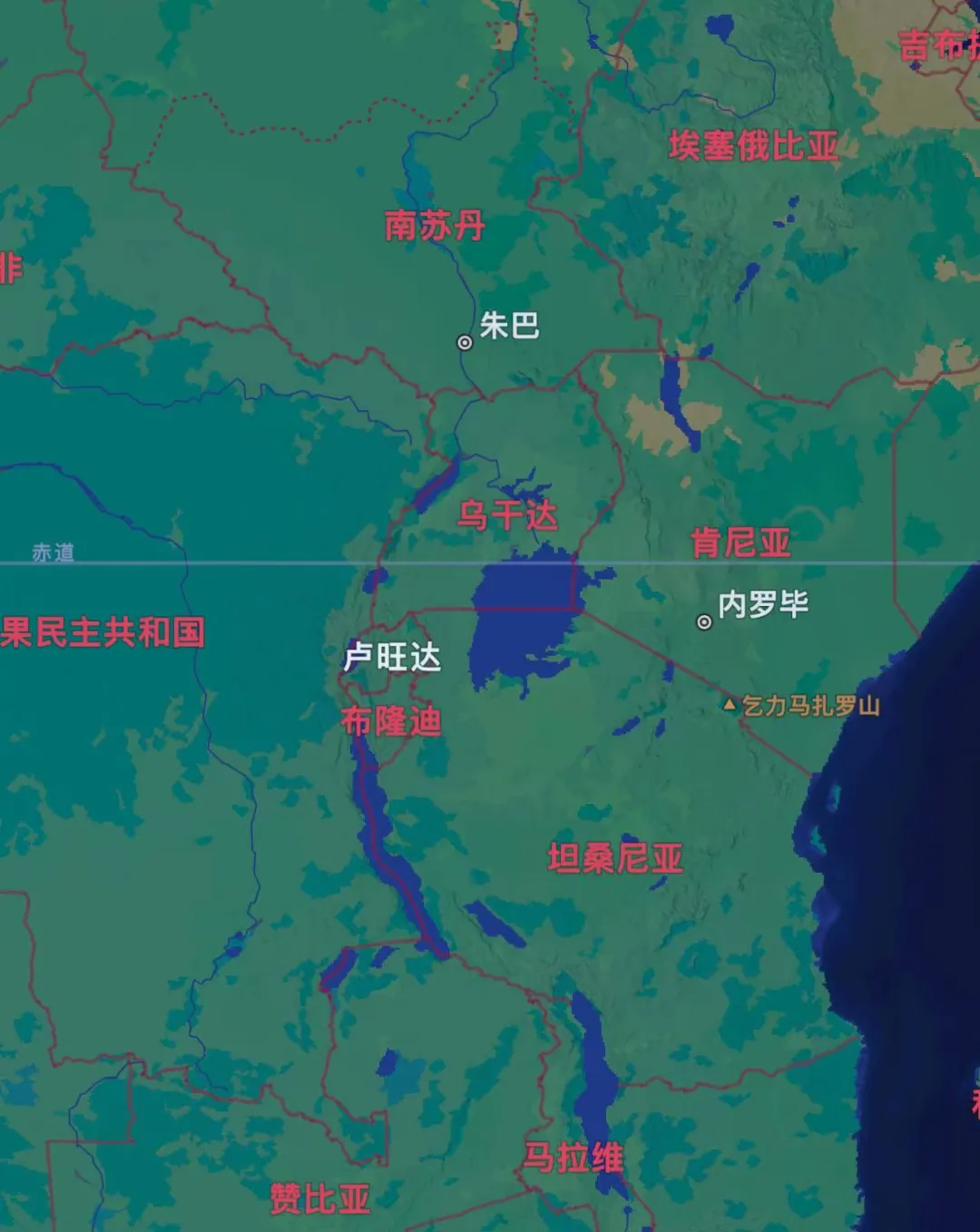
Administratively, Rwanda’s coffee-growing regions can be subdivided into areas such as Muraho, Lake Kivu, Huye, and Virunga. Muraho is located in the eastern part of the country, near Lake Muraho. Coffee from this region often exhibits rich chocolate notes, with a smooth, tea-like mouthfeel and layered complexity, making it highly appealing to coffee lovers who prefer bold and full-bodied flavors. Lake Kivu, situated in the western region and part of the East African Rift Valley, is a volcanic lake at an elevation of about 1,500 meters. Coffee produced here generally boasts a full body, intense aroma, and rich fruitiness, delivering a notably multidimensional flavor profile. In the southern region, Huye Province is renowned for its high altitude of 1,700 to 2,200 meters. Coffee from this area often exudes bright floral and citrus aromas, making it well-suited for those who enjoy vibrant acidity and fruity-floral notes.
Virunga, located in the mountainous northwest of Rwanda at elevations of 1,900 to 2,200 meters, is also home to the famous mountain gorillas. Thanks to its high altitude and unique microclimate, coffee from this region is characterized by pronounced sweetness, a silky mouthfeel, and often nutty aromas such as walnuts. The overall cup profile is balanced and layered, making it one of the favorite regions among many professional roasters.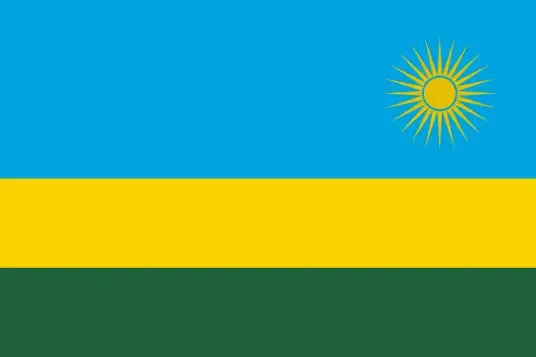
In terms of coffee varieties, Rwanda’s plantings are dominated by Bourbon and the locally historic Mibirizi variety, with a small portion of Jackson as well. Bourbon is a globally renowned Arabica variety known for its balanced flavor and pleasant sweetness. Mibirizi, on the other hand, is a very important traditional variety in Rwanda and Burundi, classified as a natural mutation of Bourbon. It was originally introduced by the German government from Guatemala and was once mistakenly thought to have Typica lineage before genetic testing confirmed some relation. This variety shows good drought tolerance and adaptability but is also relatively more susceptible to diseases, thus requiring more diligent management by farmers.
Overall, Rwandan coffee holds a distinctive place in the global specialty coffee market thanks to its unique regional characteristics and varietal diversity. Whether you’re a pour over enthusiast, a professional roaster, or simply curious about African coffee, gaining a deeper understanding of Rwanda’s various producing regions and variety traits can help you select, brew, and appreciate this exceptional coffee from the "Land of a Thousand Hills" with greater precision.
The above content is compiled by CoffeeHunters, a coffee news website.


