







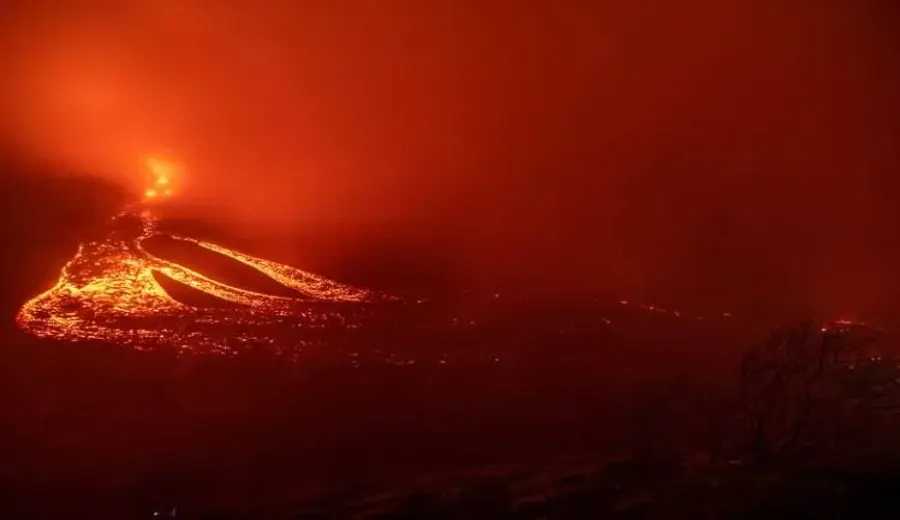
Introduction:In recent years, Peru’s coffee-growing regions have been hit by a series of natural and environmental disasters: frequent eruptions of the Sabancaya volcano in the south have released large amounts of volcanic ash, affecting crop growth; meanwhile, the provinces of Huancavelica and Cusco have declared environmental emergencies due to mercury contamination. This article will delve into how these crises are impacting coffee farming environments, as well as the potential challenges and countermeasures for the future.
Located in South America, Peru is one of the world’s important specialty coffee producers, but it has recently been struck by a double blow of natural and environmental disasters. Among them, the Sabancaya volcano in the south has entered an orange alert status with frequent activity, releasing significant amounts of volcanic ash that severely threaten nearby farms and pastures; at the same time, the central-western province of Huancavelica and the southern province of Cusco have been officially declared to be in a state of environmental emergency due to serious heavy metal mercury pollution. These two major events not only pose significant challenges to the local agricultural ecology, but also draw global attention to the future yield and quality trends of Peruvian coffee.
According to observations by the Peruvian Geophysical Institute, the Sabancaya volcano (Sabancaya) in the south is currently maintaining a moderate-intensity eruption state, with an alert level of orange, indicating there is still a significant risk of significant activity. The volcano erupts approximately 12 times per day on average, forming a column of volcanic ash and gases up to 1,500 meters above the crater, which not only affects air quality but also directly damages farmland and pastures within a 10-kilometer radius of the crater. Volcanic ash covering the soil not only alters the soil’s pH and nutrient structure, but may also clog plant stomata, affecting photosynthesis and thereby inhibiting crop growth.
A more thorny issue is that the frequency of earthquakes triggered by volcanic activity in the region has also increased significantly, including those related to rock fractures, as well as 164 earthquakes triggered by the circulation of magma fluids inside the volcano. These situations have forced some residents to evacuate, and nearby flights have been temporarily suspended to prevent volcanic ash from affecting flight safety.
At the same time, another issue that poses a potentially long-term threat to coffee-growing areas is the state of mercury contamination emergency declared by Peru’s Ministry of the Environment. The affected provinces of Huancavelica and Cusco are both important agricultural and coffee-growing regions in Peru. Among them, Huancavelica is not only a trading hub for agricultural and livestock products and local specialty processing, but is also the site of the famous Santa Barbara mercury mine, which has long posed a hidden danger of heavy metal contamination to the surrounding environment.
The province of Cusco, on the other hand, is a well-known tourist destination. Although its overall cultivated land area is not large, it still grows wheat, corn, potatoes, and coffee, making it an important part of the country’s coffee-producing regions. However, mercury contamination has already posed a substantial threat to the agricultural ecology of these areas.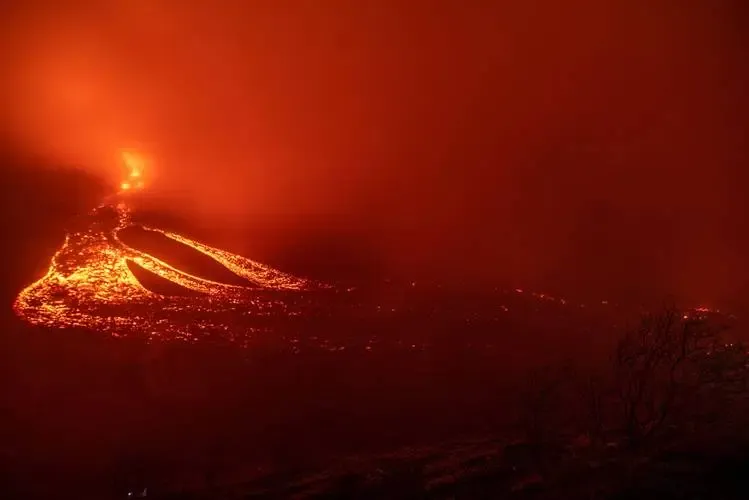
Mercury, as a highly toxic heavy metal, affects plants by inhibiting growth, causing leaf yellowing and chlorosis, while also disrupting the plants’ photosynthesis and nutrient absorption capabilities. Crops exposed to mercury contamination over the long term not only experience reduced yields, but may also accumulate excessive levels of heavy metals, thereby affecting the safety and market value of the final agricultural products. For coffee, this not only means that flavor may be impacted, but quality concerns could also affect exports and consumer confidence.
The industry is generally concerned that such environmental degradation will further impact Peru’s coffee industry, which is already facing labor shortages. In recent years, due to droughts in the Americas, dengue fever outbreaks, and political instability, a large number of residents have chosen to emigrate overseas, leading to even tighter agricultural labor. If health risks caused by environmental pollution are added, the labor gap may worsen, further affecting harvesting and subsequent processing procedures.
In response to this wave of compound disasters, the Peruvian government has launched a series of countermeasures. The Ministry of the Environment has stated that it will prioritize the most heavily polluted areas and improve residents' health and living environments through special programs. The Ministry of Energy and Mines has included the relevant areas on the mining environmental responsibility list, hoping to gradually reduce pollution risks by formulating ecological restoration strategies. Local governments will also cooperate to introduce localized pollution control and agricultural support plans to mitigate the impact on coffee cultivation.
Overall, Peru’s coffee-growing regions are currently facing a dual test from both natural and human-induced factors. From the short-term growth obstacles caused by volcanic ash to the long-term ecological and health issues that may arise from mercury contamination, the coffee harvest in the coming seasons is overshadowed with uncertainty. For global consumers, this also serves as a reminder to pay attention to the farming environments and sustainability challenges behind specialty coffee, and to rethink how to support more responsible origin supply chains.
The above content is compiled by CoffeeHunters, a coffee news website.


