







Introduction:From the bitter and intense flavors of dark roasts to the bright and refreshing notes of light roasts, specialty coffee has undergone an astonishing evolution in flavor. What has driven this transformation? This article will delve into the status of Blue Mountain coffee during the dark roast era, and how Geisha stood out in the third wave of coffee through appropriate roasting techniques. We will also analyze how factors such as roast level, origin characteristics, and brewing methods collectively influence the acidity-bitterness balance of coffee, helping you better understand selection and appreciation.
In today’s world of specialty coffee, coffees with bright acidity have taken center stage. Walk into any café and order a pour over single origin, and you’re likely to be served a cup with clear, tangy sweetness and rich layers of flavor. This has left many drinkers accustomed to bitter coffee puzzled: is coffee really only meant to be bitter? In fact,Roast levelis the key factor that determines whether a cup of coffee tastes acidic or bitter—light roasts highlight bright acidity, while dark roasts emphasize bold bitterness. So what has driven coffee from the once-common dark roast bitterness toward the diverse flavors of light roast acidity?
This article will look at market trends, the evolution of roasting, and historical background to revisit how Blue Mountain coffee maintained its foothold with outstanding quality during the dark roast-dominated era, and how Geisha stunned the world in the third wave of coffee through precise roasting strategies. We will also deconstruct how various factors—including origin growing conditions, shifts in roasting philosophy, brewing techniques, and consumer taste preferences—have together shaped the familiar coffee flavor landscape we know today.
Looking at the current specialty coffee market, it’s clear that coffees with pronounced acidity have become the mainstream choice. Step into any café and order a pour over, and you’ll most likely be served a cup with vibrant acidity and lively fruit notes. This surprises many drinkers who still equate coffee with bitterness—even though dark, bitter roasts still exist, their market share has clearly declined. Even traditional Italian-style espresso, known for its intense bitterness and richness, has gradually evolved to highlight single-origin characteristics with SOE (Single Origin Espresso), where acidity has become a new mainstream trend.
Readers familiar with the direction of coffee flavors all know that the acidity and bitterness of a cup of coffeeare most influenced by the roast level. Generally speaking, the lighter the roast, the brighter the acidity; the darker the roast, the more pronounced and rich the bitterness. This means the market’s coffee roasting styles have shifted from the previously common dark roasts to more diverse light roast approaches. So why is the market now dominated by light roasts with bright, tangy acidity?
Many might guess that this change stems from the rise of the specialty coffee concept. Indeed, since the idea of Specialty Coffee was introduced by Mrs. Erna Knutsen in 1974, the market has begun to value the origin characteristics and flavor differences of coffee. However, the shift from bitter to acidic coffee is not solely due to the introduction of the specialty concept. Advances in coffee-growing techniques in producing regions, evolving understanding of flavor among roasters, innovations in mainstream brewing methods, and increased consumer acceptance of acidic flavors have all been important drivers of this trend.
These factors are interconnected, collectively propelling coffee flavors from being dominated by a single note of bitterness to the rich and varied balance of acidity and sweetness we enjoy today. Below, we will take a deep dive into these key influences and explore step by step the evolution of coffee flavors.
In the era before modern professional roasting machines existed, people could only rely on household cooking utensils, such as iron pans, to roast green coffee beans. However, due to equipment limitations, achieving even heating of the beans was extremely difficult. To avoid under-roasted “raw beans,” the common practice at the time was to roast the beans to near-charred dark black—what we now call the end of the second crack. This level of roasting ensured the beans were fully cooked, but also caused internal oils to expand and seep to the surface due to high heat, resulting in a shiny appearance, hence the name “black gold.”
According to modern roasting theory, this level of roasting is already extremely dark, with flavors dominated by intense smoky bitterness. Although aromatic, the acidity is almost entirely absent. Due to limited technology at the time, this deeply roasted coffee gradually became the public’s first impression of coffee. As roasting equipment improved—for example, with the emergence of drum and semi-hot-air roasters—technological capabilities advanced, but dark roasts remained mainstream because this flavor had become widely accepted.

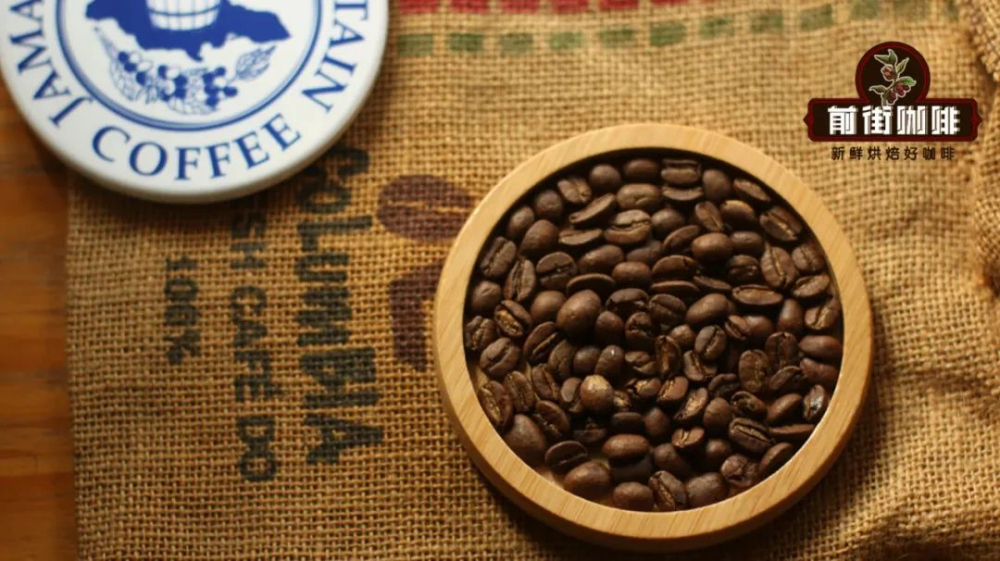
Additionally, the coffee market in the early 20th century was dominated by commodity-grade beans, which generally had poor quality, high defect rates, and mixed flavors. To mask these undesirable traits, the industry commonly used dark roasting to balance off-flavors with smoky, intense bitterness. At the same time, the spread of Italian espresso culture around the world via Italian immigrants further solidified the dominant position of dark roasted coffee. Against this backdrop, Blue Mountain coffee stood out with its exceptional quality during the dark roast era, becoming a market leader.
Jamaica’s coffee-growing history dates back to around 1750, but it wasn’t until the establishment of the Coffee Industry Board in 1950 that the cultivation, processing, and grading processes of Blue Mountain coffee were systematically managed, leading to a significant improvement in quality. Even when other dark roasted coffees often exhibited harsh, intense smoky bitterness, Blue Mountain coffee, even at the same roast level, showcased a clean taste that was bitter without being astringent and strong without being heavy. Coupled with aggressive promotion and marketing in the Japanese market, Blue Mountain quickly established its status as the “King of Coffee,” also drawing attention to the quality differences among coffees.

In 1974, the introduction of the specialty coffee concept marked a turning point in the industry. Erna Knutsen emphasized the origin characteristics and regional flavors of coffee, prompting people to start paying attention to the quality management of upstream green beans. As the overall quality of coffee beans improved, roasters also began to rethink their roasting strategies. In the past, due to inconsistent bean quality, many roasters hesitated to reduce roast levels, as stopping the roast before the second crack could easily result in underdevelopment and astringency. However, with the availability of stable-quality green beans, the potential of light roasting was finally unlocked.
Norway in Europe became a pioneer of the light roast revolution. With a shorter history of coffee exposure, the region was not constrained by deep roast culture, and roasters boldly experimented with lighter roast levels—what might be considered medium by today’s standards, but was very light at the time. This “rebellious” roasting style was initially regarded as underripe, sour, and sharp, but when people actually tasted it, they were pleasantly surprised to discover rich berry aromas and vibrant acidity-sweetness balance, completely overturning the stereotype of light roasts.
In 2003, inspired by Nordic light roasting, roasters presented the theory of the three waves of specialty coffee evolution at the “Coffee Roasters Guild” conference in the United States, marking the beginning of the third wave of coffee. This theory emphasizes thatthe appropriate roast level can best showcase the origin characteristics and unique flavors of coffee beans. This idea quickly gained traction in the U.S. coffee market, with many well-known cafés beginning to offer medium-light roasted coffees, allowing consumers to experience a new diversity of coffee flavors.
In 2004, Ethiopia’s Geisha variety gained international fame after winning a major competition. Beyond its own outstanding origin and varietal traits, the right roast level played a crucial role. In the past, many coffees with floral and fruity aromas had these delicate flavors masked during dark roasting, whereas light roasting perfectly brought out their fresh floral notes and citrus acidity, making Geisha one of the most representative acidic coffees of the time.
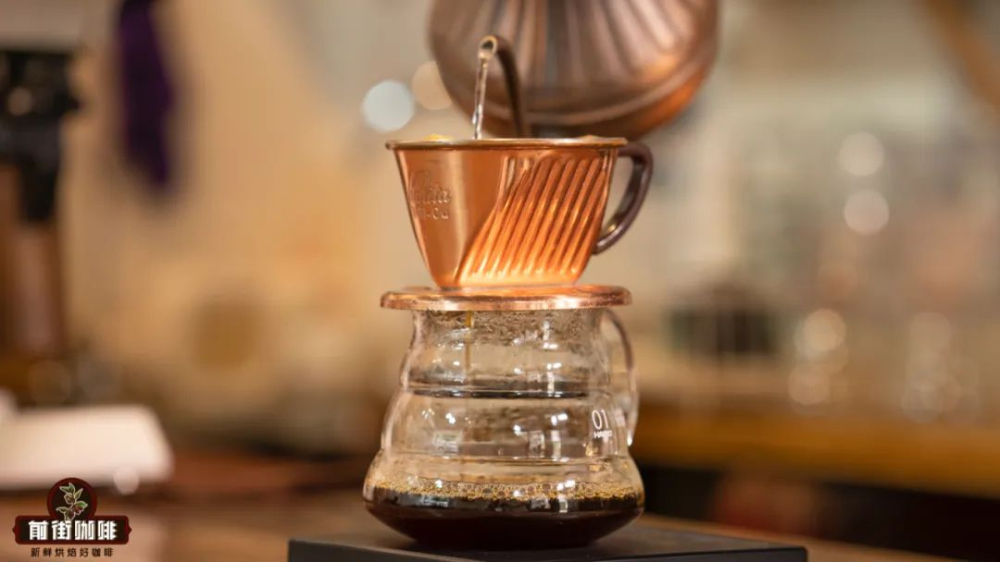
Thus, the era of acidic coffee officially arrived. To fully showcase the unique character of each coffee, the industry widely adopted light roasting to preserve the beans’ inherent flavors. And the brewing method that best highlights these traits is none other than pour over—its simple operation and clean extraction process vividly present the layers and details of the coffee. With the popularization of specialty coffee culture, cafés focused on single-origin coffees rapidly increased after 2015, and bright, acidic coffees thus became the mainstream impression of the market.
Of course, dark roast coffee has not disappeared. Classic origins such as Blue Mountain, Mandheling, and Brazil still use medium-dark roasting to preserve their rich, bold traditional flavors, allowing drinkers who love deep, intense profiles to continue enjoying the charm of classic coffee.
The above content is compiled by CoffeeHunters, a coffee news website.


