







Introduction:Recently, the international coffee market has seen intensified volatility, with both Arabica and Robusta futures prices reaching new highs. Vietnam has been hit by severe drought, leading to tightened supply from the world’s largest Robusta-producing region, which in turn has driven up overall coffee prices. This article delves into the reasons behind this price surge, helping you understand the trends in futures markets, changes in producing regions, and future developments — so you can make smarter choices when selecting your coffee beans.
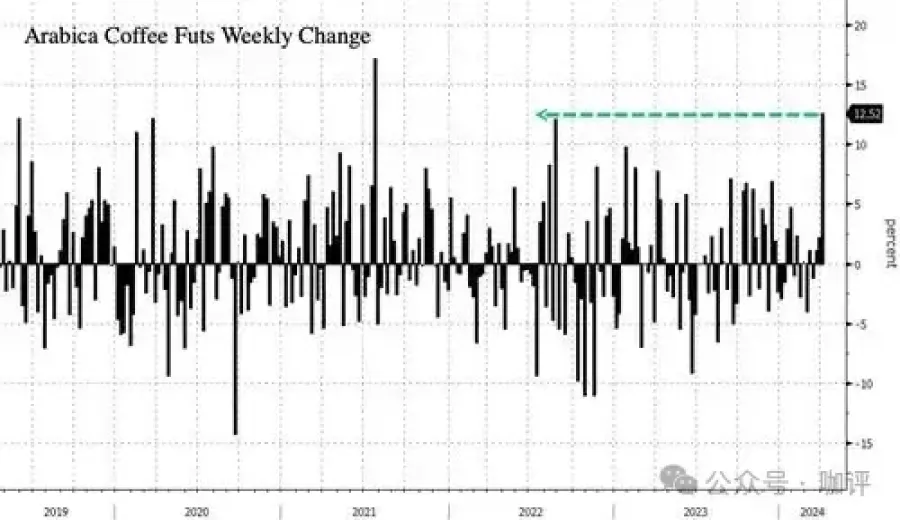
Recently, the Arabica coffee futures market has experienced a wave of price increases, rising for three consecutive trading days and recently hitting a six-month high. Among them, the futures contract for delivery in May saw a weekly surge of 12.5%, closing at $2.12 per pound — marking the strongest weekly gain since July 2021.
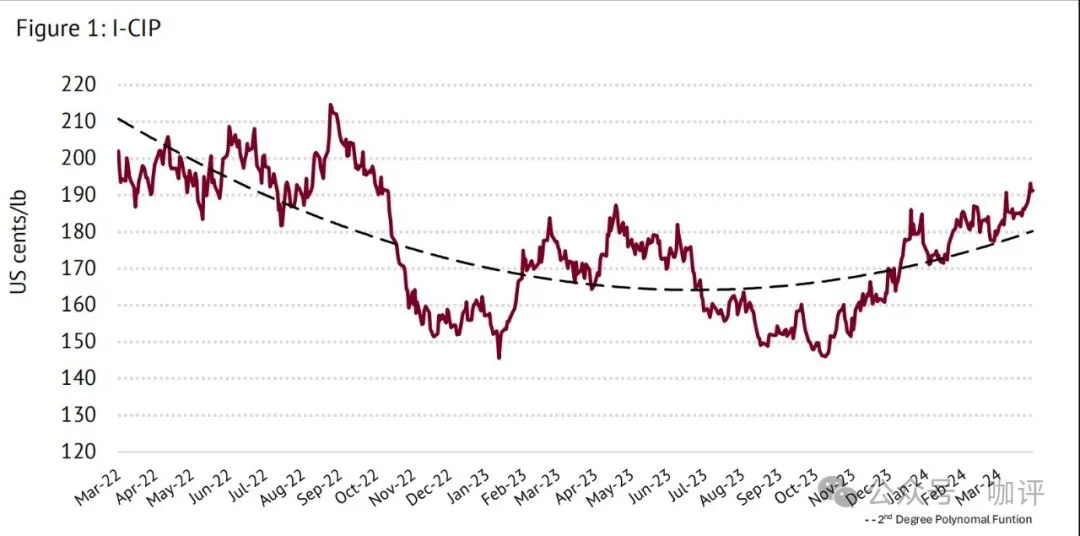
Meanwhile, the International Coffee Organization’s (ICO) Composite Indicator Price (I-CIP) also shows that the monthly average has reached 186.36 cents/pound, not only rising 2.4% compared to February but also setting an 18-month high. Notably, the price of Robusta coffee has even climbed to its highest level since October 1994, indicating significant changes in market supply and demand dynamics.
The main driver of this price surge comes from the impact of extreme weather in Vietnam. As the world’s largest Robusta producer, Vietnam has been hit by both heatwaves and drought this year, causing temperatures in coffee-growing regions to rise by 1 to 3 degrees Celsius compared to previous years. Some areas are even facing water shortages and reduced planting land. According to the Vietnam Coffee - Cocoa Association, Vietnam’s coffee output this year is expected to drop by about 20% compared to last year, falling from the original 1.84 million tons to approximately 1.47 million tons, with exports also expected to decline sharply, with the reduction estimated to be similar to that of production.
Due to the supply constraints in Vietnam, market expectations for Robusta have strengthened, pushing the price of Robusta for May delivery to spike at one point to $3,849 per ton, while the price for July pre-sale contracts also rose to $3,769 per ton — a level close to some mid-to-low-grade Arabica varieties. Locally in Vietnam, the purchase price for coffee farmers has generally remained between 101 million and 104 million Vietnamese dong per ton.
Not only in Vietnam, but coffee exports across Asia and Oceania have also been affected. Statistics show that the total exports of all types of coffee in the region have declined by 17%, equivalent to a reduction of about 3.97 million bags. Since Vietnam has long supplied a large amount of Robusta to the EU market, this production drop has had a particularly noticeable impact on European roasters. Data shows that EU countries import about 652,000 tons of coffee from Vietnam each year, making it the second-largest supplier to the EU market.
The European Coffee Federation (ECF) further explains that from January to April this year, because major Robusta-producing countries such as Brazil typically only begin harvesting in April and gradually enter the market in May or June, the EU market’s reliance on Vietnamese supply during this period was almost 100%. At the same time, climate experts predict a relatively high probability of La Niña occurring in the second half of 2024. Should it happen, Brazil could face the threat of frost, further impacting future supply stability.
In addition to climate and supply issues in producing regions, geopolitical tensions and shipping costs are also key factors driving up coffee prices. Recent tensions in the Red Sea region have disrupted shipping routes, pushing up Brent crude oil prices. As a key global benchmark for oil prices, with over 65% of physical crude oil transactions priced against it, the rise in Brent crude has directly led to increased transportation costs, which are then reflected in the import prices of coffee beans.
Faced with the ongoing upward trend in international coffee bean prices, consumers may want to pay more attention to brands and products with relatively stable cost-performance ratios when making purchases. For coffee enthusiasts who enjoy brewing at home, choosing brands from stable producing regions with good roasting techniques can help ensure a consistent coffee experience despite price fluctuations. Additionally, understanding how different processing methods and roast levels affect flavor can also help you find the beans that best suit your taste.
The above content is compiled by CoffeeHunters, a coffee news website.


