







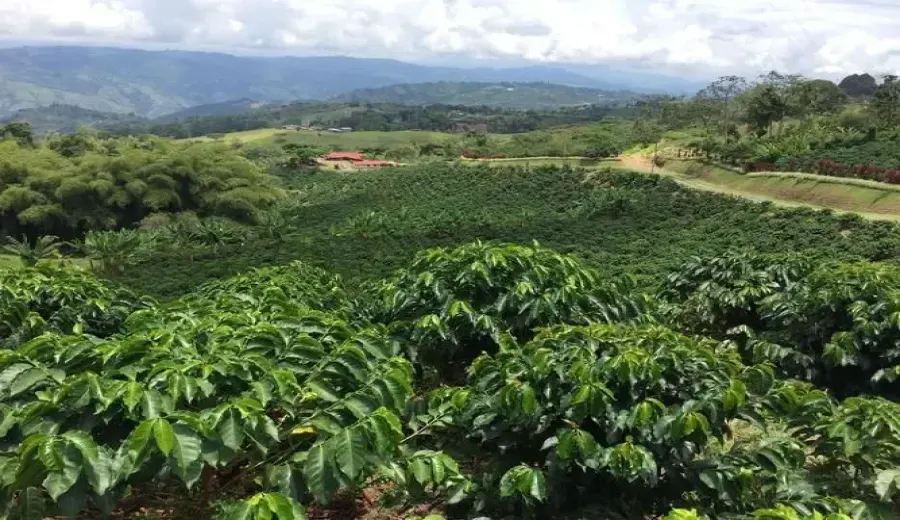
Introduction:The Huila region of Colombia is renowned for its refined and balanced coffee flavors, and Finca El Diviso has garnered particular attention for supplying the pour over beans used by the 2022 World Barista Champion. This article delves into the geographical and climatic advantages of the Huila region, introduces the family-run background of Finca El Diviso, the origin and plant characteristics of the Sidra variety, and provides a detailed exploration of a Sidra coffee bean processed with double anaerobic natural fermentation—from its flavor profile to optimal brewing parameters, offering a comprehensive guide to tasting and brewing.
Colombia boasts exceptionally favorable geographic conditions, with high-altitude mountainous regions, fertile volcanic soils, along with stable rainfall and sunlight, making it the world’s third-largest coffee producer, following only Brazil and Vietnam. The country features diverse climates, ranging from tropical rainforest to alpine conditions, with distinct dry and wet seasons each year and an average annual rainfall exceeding 11,000 millimeters. The combination of day-night temperature variations and soil characteristics has established Colombia as a highly representative producer of high-quality coffee.
The country’s terrain is mainly divided into the western Andes mountain range and the eastern plains, with the southern section of the Central Cordillera of the Andes being home to Huila Province. This area is not only surrounded by mountains but also situated at elevations mostly between 1,200 and 1,800 meters, with temperatures consistently maintained between 17°C and 23°C. Coupled with abundant water sources, it provides an almost perfect growing environment for coffee trees. The coffee produced here typically exhibits a soft, balanced, and layered taste profile, making it a popular choice for many coffee enthusiasts starting their journey into specialty coffee.
Huila Province is one of Colombia’s most representative specialty coffee regions, alongside Antioquia, Santander, and Nariño. The area is home to numerous small-scale farms, many of which employ refined processing methods that emphasize regional terroir. Among them, Finca El Diviso, though spanning just 14 hectares, is a standout family-owned farm in the region. Established in 1996 by Jose Uribe Lasso, it has since been managed by the second-generation owner, Nestor Lasson, with many farm members being relatives or close friends, working together seamlessly.
Nestor not only continues traditional cultivation techniques but also actively experiments with emerging varieties and processing methods. His planting portfolio includes classic varieties such as Bourbon, Caturra, and Geisha, as well as rare ones like Pink Bourbon, Sidra, and Castillo. Among these, the Sidra coffee beans gained overnight industry attention after Australian barista Anthony Douglas used them to win the 2022 World Barista Championship (WBC).
Speaking of the Sidra variety (Sidra), its name means “apple juice” or “cider” in Spanish and is often misspelled as Sydra or mistaken for Bourbon Sidra. This variety is generally considered to be a natural or artificial hybrid offspring of Typica and Bourbon, but later genetic analysis indicates that its genome shares high similarity with the Ethiopian landrace Heirloom. Some sources suggest that Sidra may have originated from a breeding center established by Nestlé in Pichincha, Ecuador, which was dedicated to crossing Ethiopian landraces with local cultivated varieties. Although the breeding program has ended, Sidra is classified as one of the “experimental or unpublished varieties” not yet commercialized on a large scale.
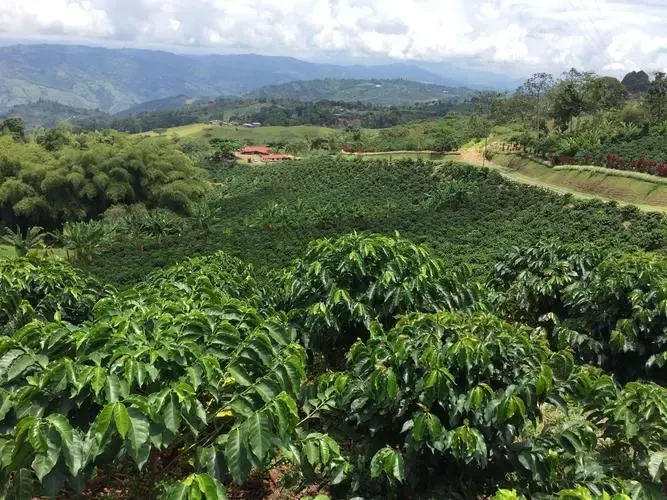
Observing the Sidra plant, its leaves are slender, and it typically displays five-petal flowers when in bloom, yielding abundant fruit that is large, round, and plump. The green beans are relatively long and slender in shape, and the plant can grow to approximately 4 meters in height, making it a relatively tall variety. Due to its vigorous growth, moderate shading is required during cultivation, and yield control is essential to maintain quality. Sidra shows resistance to certain pests and diseases but is relatively susceptible to leaf rust and coffee berry disease, making farm management particularly crucial.
Currently, Sidra coffee that is more readily available on the market mostly comes from high-altitude farms in Colombia’s Huila region, often employing special processing methods to highlight its unique flavor potential. Taking a certain coffee brand’s release of Sidra from Finca El Diviso as an example, this particular lot is processed usingdouble anaerobic natural fermentation, with the green beans sourced from highlands at elevations between 1,700 and 1,850 meters. It is medium-light roasted, fully showcasing fruity and fermented layers.
This coffee features a distinctive flavor profile, often described with notes of grape, passion fruit, apricot preserve, citrus acidity, accompanied by pronounced fermented aromas. The overall cup is sweet, layered, and complex. For brewing recommendations, a V60 filter cone can be used witha coffee-to-water ratio of 1:15 and a water temperature of around 92°Cfor pour over, effectively highlighting the fruitiness and sweetness. The cup is smooth on the palate with a long-lasting aftertaste.
In summary, Finca El Diviso in Colombia’s Huila region not only benefits from exceptional geographic and microclimatic conditions but also demonstrates the dedication of family management and a bold willingness to experiment with new varieties, allowing the Sidra variety to showcase its extraordinary potential here. If you’re interested in specialty coffee with unique flavors and refined processing methods, consider trying this Sidra coffee that blends fruity notes, fermented sensations, and delicate sweetness—experience the refined expression of highland terroir.
The above content is compiled by CoffeeHunters, a coffee news website.


