







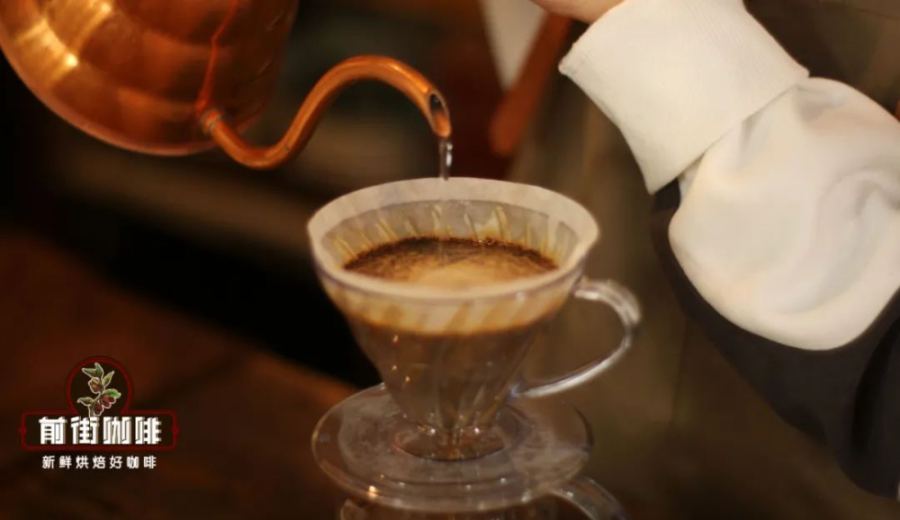
Introduction:Have you ever encountered the same coffee beans and used the exact same brewing steps, yet still couldn’t replicate the flavors you taste in a café? Often, the issue lies hidden within seemingly simple operational details. This article delves into the three main reasons for inconsistent pour over coffee flavors—grind size settings, water temperature control, and water quality selection. It explains how to judge whether your grind is appropriate by observing the condition of the coffee bed, how to adjust the ideal water temperature range based on roast level, and also explores the real impact of minerals on coffee extraction. Mastering these key elements will help you more accurately reproduce the true flavors of the coffee.
Even when using the same coffee beans and following the exact same brewing process, why does the coffee you brew at home often taste so different from that in a café? In fact, the problem mostly lies in a few critical aspects of the extraction process. Based on feedback from multiple coffee enthusiasts, we’ve found that “grind size,” “water temperature,” and “brewing water” are the three most commonly overlooked yet highly influential factors. Next, we’ll break down each of these elements, teaching you how to evaluate whether your grind is appropriate by looking at the shape of the coffee bed and brewing time, how to choose the right water temperature range according to different roast levels, and how minerals in water actually affect the final flavor profile.
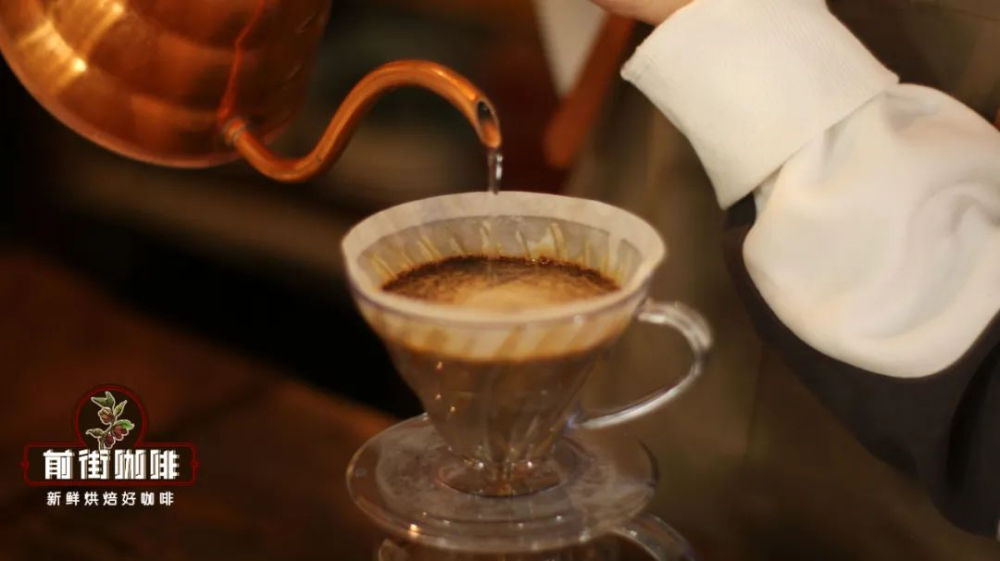
When the coffee flavor isn’t up to expectations, the first thing you should check is the “grind size.” Many beginners—and even some experienced brewers—often make the mistake of using the same grind setting for all coffee beans. In reality, beans with different processing methods and roast levels have varying densities and brittleness, which naturally require different grind coarseness. When brewing results are unsatisfactory, start by observing the state of the coffee bed after brewing. If the coffee bed appears mushy, overly compact, or conversely, too coarse and loose, it usually indicates that your current grind size may need adjustment.
For those just starting out, there’s no need to rush into buying professional grinders or measuring tools. A practical approach is to use a set of brewing parameters you’re familiar with—for example, 15 grams of coffee, a 1:15 coffee-to-water ratio, using a V60 filter cone with a three-pour method, aiming for a total brew time of around two minutes. If the actual brew time exceeds the reference value by more than 15 seconds, it usually means there’s an issue with the grind: if the time is too long, try grinding coarser; if it’s too short, grind finer. By observing brew duration and the state of the coffee bed, you can effectively find a more suitable grind size for your current coffee beans.
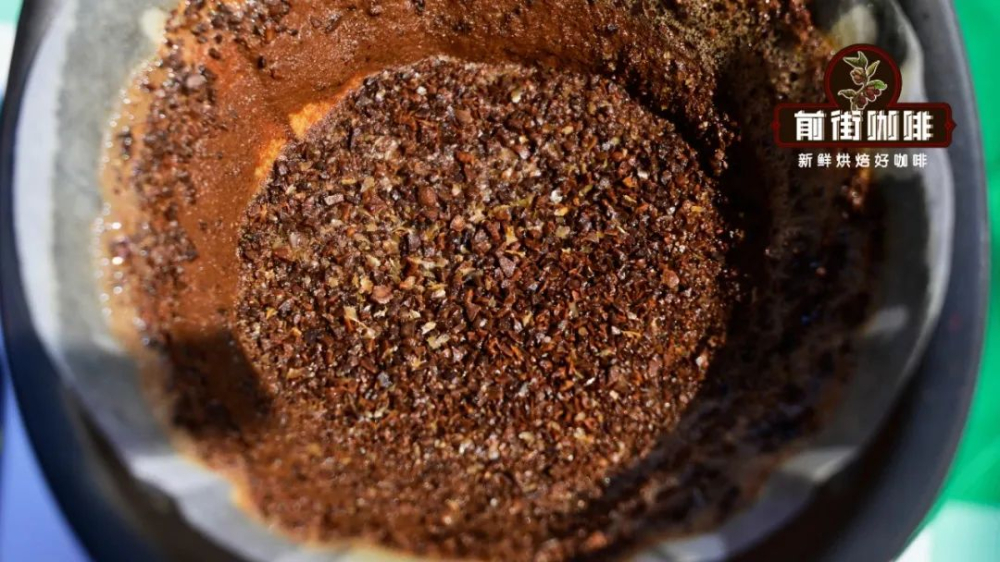
Besides the coffee bed and brew time, don’t overlook the characteristics of the coffee beans themselves. Different roast levels and processing methods require different grind coarseness. For instance, light roast beans generally have a denser structure and benefit from a slightly finer grind to fully release their flavors; medium to dark roasts, being relatively looser in texture, suit a slightly coarser grind to avoid over-extraction. Therefore, never apply the same grind size to all types of coffee beans—that’s a common pitfall for many enthusiasts. Additionally, the performance of your grinder itself can affect grind uniformity and the ratio of fine particles. If you notice too many fines or uneven particle sizes, you might try sifting the grounds, re-grinding, or even considering upgrading your equipment.
The second key factor is “water temperature.” If the coffee bed looks normal and the brew time shows no obvious abnormalities, then water temperature is likely the hidden variable affecting the flavor. While hot water of different temperatures can extract soluble substances from coffee, only within an appropriate temperature range can the layers and balance of coffee flavors be maximally expressed.
Generally speaking, the higher the water temperature, the stronger the extraction efficiency, and the easier it is to draw out substances from the coffee; lower temperatures slow down extraction and may result in less vibrant flavors. To achieve ideal extraction, it’s recommended to adjust the water temperature based on the roast level of the coffee beans: for medium to light roasts, use water at 91–93°C to fully bring out acidity and aroma; for medium to dark roasts, use water at 86–88°C to avoid over-extraction that leads to bitterness. Mastering this temperature range can provide more leeway for your pour over brewing, improving your success rate.
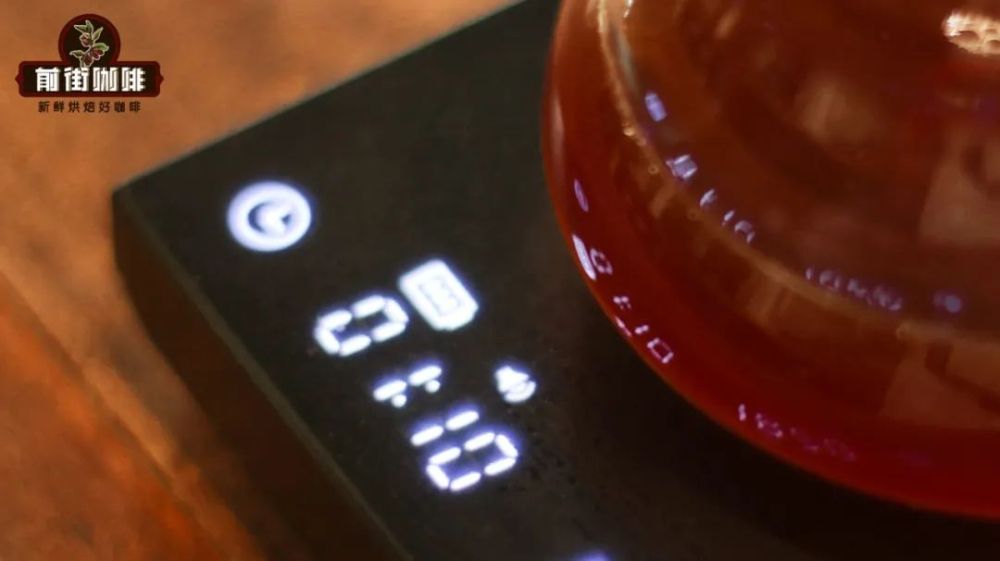
Finally, the most commonly overlooked yet equally crucial factor is “brewing water.” The mineral content in water directly affects the efficiency of coffee extraction and the resulting flavor profile. An appropriate amount of minerals—such as magnesium ions, which help enhance sweetness, and calcium ions, which positively influence acidity extraction—can make a difference, but only when their levels are just right.
If the water contains too many minerals and is too hard, it can take up space among water molecules, limiting the dissolution of coffee substances and resulting in flat or unbalanced flavors. However, for most home pour over brewing, you don’t need overly complex water filtration equipment or treatment processes. Just pay attention to the flavor outcome after brewing. If you’ve already confirmed that your grind size, water temperature, and brew time are properly set, but the coffee still has unpleasant off-flavors, try changing the water source. Sometimes, even a small change in water quality can lead to a noticeable improvement in the overall cup.
In summary, if you want to brew pour over coffee at home that rivals café-level quality, the key lies in mastering the three elements: grind size, water temperature, and water quality. By judging whether your grind is appropriate through the condition of the coffee bed and brew time, adjusting to the optimal water temperature range based on roast level, and paying attention to how minerals in water affect flavor, you’ll be able to more accurately reproduce the unique characteristics of each coffee bean. If you’d like to learn more about evaluating water quality or the specific effects of temperature on extraction, feel free to dive deeper into these topics to take your coffee experience to the next level.
The above content is compiled by CoffeeHunters, a coffee news website.


