








Introduction:Want to dive deep into the globally renowned Jamaican Blue Mountain No. 1 coffee? This article starts with the legal growing regions and unique geographical and climatic conditions of Blue Mountain coffee, details the characteristics of the Typica variety, and provides an in-depth analysis of the flavor profile and pour over brewing guide for the Clifton Estate Blue Mountain No. 1 introduced by a well-known brand, helping you grasp the essence of this top-tier coffee.
Blue Mountain coffee is truly a legend in the world of specialty coffee. It is not only one of Jamaica’s most iconic agricultural products but also a highly sought-after delicacy for many coffee enthusiasts. As a significant island nation in the Caribbean, Jamaica is not only famous for its natural landscapes, but the Blue Mountain No. 1 coffee grown in its high-altitude mountainous regions, thanks to its exceptional geographical conditions and rigorous regional management system, has become a highly valued and premium coffee product in the market.
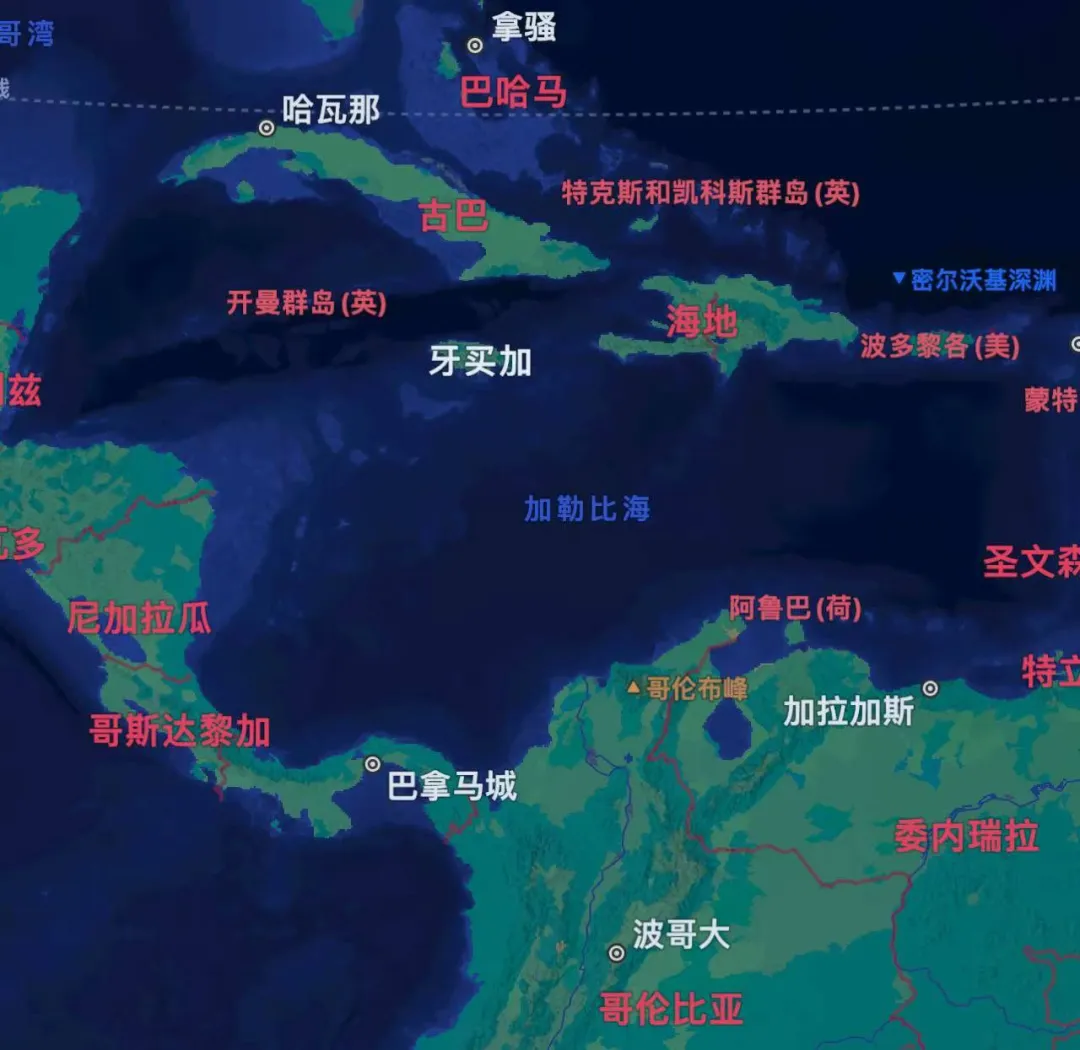
Jamaica is located in the northwest of the Caribbean Sea, with a total national area of approximately 10,991 square kilometers, making it the third largest island in the Caribbean. The country is administratively divided into three counties, which are further subdivided into 14 parishes. Its national flag is rich in symbolism: two yellow diagonal lines divide the flag into four sections, with green on the top and bottom, and black on the left and right, symbolizing sunlight, natural abundance, and the resilient spirit of the people. The island features diverse terrain, with mountainous areas dominating the east, while the central and western parts are characterized by hills and plateaus, though mostly limestone in composition. Though surface water is not abundant, this provides a unique growing environment for certain microclimatic crop zones.
Jamaica has a tropical rainforest climate, which can be clearly divided into distinct wet and dry seasons. The wet season occurs from April to June and September to November, with particularly heavy rainfall in January and May, while the cooler dry season spans from December to March of the following year. The period from June to November is when hurricanes and tropical storms are most active, so special attention must be paid to potential weather impacts on crops. The central-northern regions, due to their terrain and oceanic regulation, not only receive abundant rainfall but also maintain an average annual temperature between 22–32°C, providing nearly perfect growing conditions for certain special crops.
Jamaica maintains extremely strict control over its coffee industry. As early as 1944, the Central Coffee Clearing House was established to oversee quality control prior to export; in 1950, the Coffee Industry Board (CIB) was further created, which was later incorporated into the Jamaica Agricultural Commodities Regulatory Authority (JACRA) in 2018. Today, all beans labeled as “Jamaican Blue Mountain Coffee” must be certified by JACRA. According to the Coffee Industry Regulation Act, only Typica variety coffee planted at elevations between 915 and 1700 meters within the four legally designated regions—Saint Andrew, Saint Thomas, Portland, and Saint Mary—qualifies to bear the authentic title of “Blue Mountain Coffee.”
The Blue Mountains are located in eastern Jamaica, with main peaks ranging from 1000 to 1700 meters in elevation, surrounded by the azure Caribbean Sea. On clear days, when sunlight shines on the sea surface, the mountaintops reflect a soft blue halo akin to the sea, hence the name “Blue Mountains.” This region not only enjoys fertile volcanic soil but also benefits from being surrounded by the sea with stable airflow, resulting in year-round fog and frequent rainfall, with an average annual precipitation of nearly 1980 millimeters. Coupled with moderate day-night temperature variations, it forms an ideal microclimate for coffee cultivation. All of these factors together create the unique aroma and flavor of Blue Mountain No. 1 coffee.

The Typica variety used in Blue Mountain coffee is one of the oldest coffee varieties in the world, originating from the southwestern part of Ethiopia in Africa. The Typica plant has distinctive characteristics: its leaves are ridged with sharp tips, commonly green or with a bronze hue, and its fruit has long internodes, typically ripening to a red color. This variety grows slowly and yields relatively low, but the high-altitude environment helps enhance flavor complexity and aromatic layers. However, Typica is less resistant to diseases and is susceptible to leaf rust, nematodes, and berry diseases. It’s worth noting that after more than two hundred years of localized cultivation in the Jamaican Blue Mountain region, the Typica strain here has developed significantly stronger disease resistance than the original variety, allowing it to grow stably in harsh conditions.
Taking the Clifton Estate Blue Mountain No. 1 introduced by a well-known brand as an example, this batch of coffee beans comes from a high-quality cultivation area at an elevation of 1310 meters and is strictly processed using the washed method to ensure complete removal of pulp and impurities, leaving only the purest coffee seeds. This particular lot is of the Blue Mountain Typica variety, exhibiting a distinct light citrus acidity paired with rich notes of nuts and chocolate. Upon tasting, it delivers a silky smooth mouthfeel with an overall balanced and layered flavor profile, making it a classic choice for experiencing the authentic taste of Blue Mountain.
For brewing recommendations, professional baristas suggest using a KONO filter cone with a coffee-to-water ratio of 1:15 and a water temperature controlled at 89°C, which can fully highlight the richness and delicacy of Blue Mountain No. 1. As hot water slowly passes through the coffee grounds, the first impression is a subtle floral aroma, followed by a gentle emergence of light citrus acidity, and then the mellow aftertaste of nuts and cocoa. Each sip showcases the characteristic balance and noble quality of Blue Mountain coffee. With the correct extraction parameters, you can easily enjoy the charm of this world-class coffee at home.
The above content is compiled by CoffeeHunters, a coffee news website.


