








Introduction:Want to tell whether a cup of coffee is sun-dried or washed just by tasting it? This guide will take you deep into the differences between these two classic processing methods. Through a side-by-side tasting of Ethiopia Yirgacheffe’s sun-dried Red Cherry and washed Kochere, you’ll grasp their flavor profiles and pour over techniques, gradually developing professional-level coffee tasting skills.
In the world of coffee tasting, accurately identifying a coffee bean’s processing method is an advanced skill many enthusiasts strive for. This article uses two representative beans from Ethiopia’s Yirgacheffe region—sun-dried Red Cherry and washed Kochere—to guide readers through practical tasting, helping them deeply understand the fundamental differences between these two classic processes, and learn how to capture each method’s unique flavor characteristics via pour over brewing.

In coffee shops or tasting events, it’s common to see seasoned baristas or enthusiasts confidently identify a coffee’s processing method after just one sip. This ability isn’t innate but is built through understanding the traits of different processes and accumulated experience from continuous practice and comparison. Many first-time customers are often amazed and curious about how they can determine the process based solely on flavor.

The so-called “natural (sun-dried) processing method” is the most traditional and oldest technique in coffee post-harvest processing. It involves placing harvested coffee cherries directly under the sun to dry naturally over an extended period. Once the fruit’s moisture evaporates to an appropriate level, the beans are hulled, yielding fermented green coffee beans. This method fully preserves the natural sugars and fruity aromas of the coffee cherry, delivering rich sweetness and complex fruit notes.
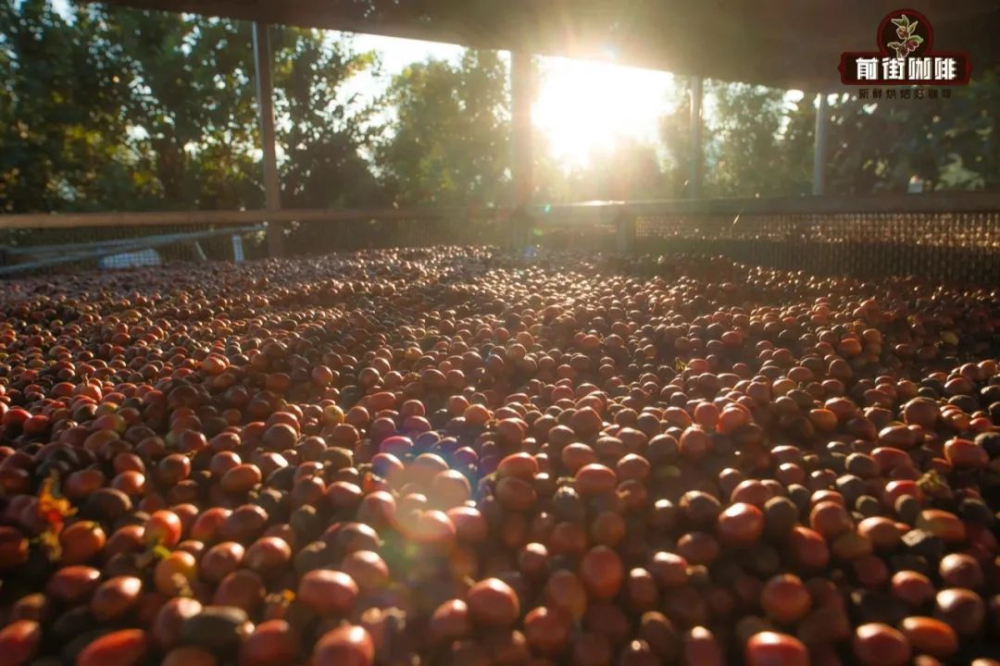
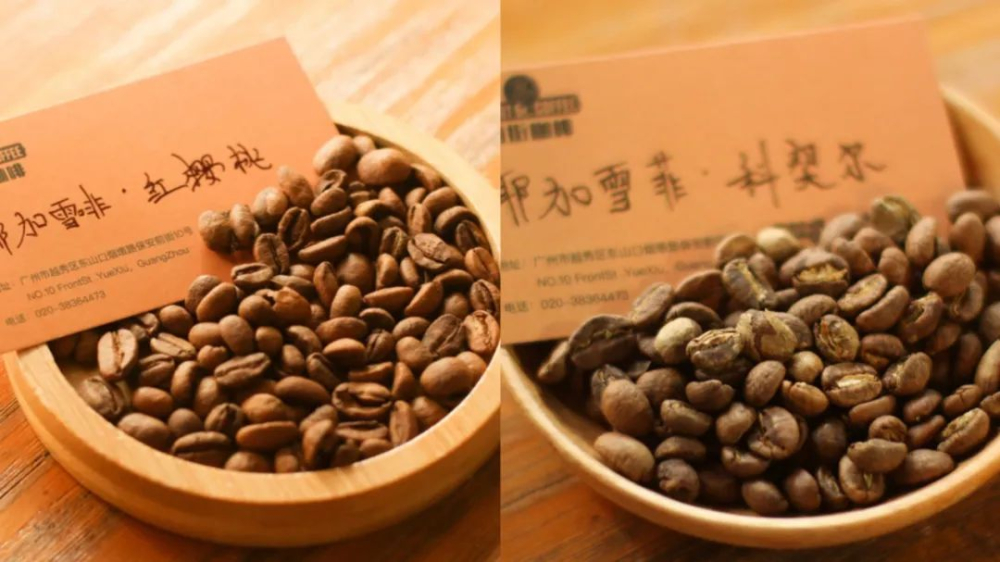
To help readers more clearly perceive how processing affects flavor, this article specifically selects Ethiopian coffee beans as tasting subjects. As one of coffee’s birthplaces, Ethiopia’s Yirgacheffe region produces beans with highly distinctive flavor profiles and widespread market recognition, effectively minimizing other variables and allowing tasters to focus on the differences brought by processing methods. For this tasting, we’ve chosen sun-dried Red Cherry and washed Kochere as the comparative standard samples.
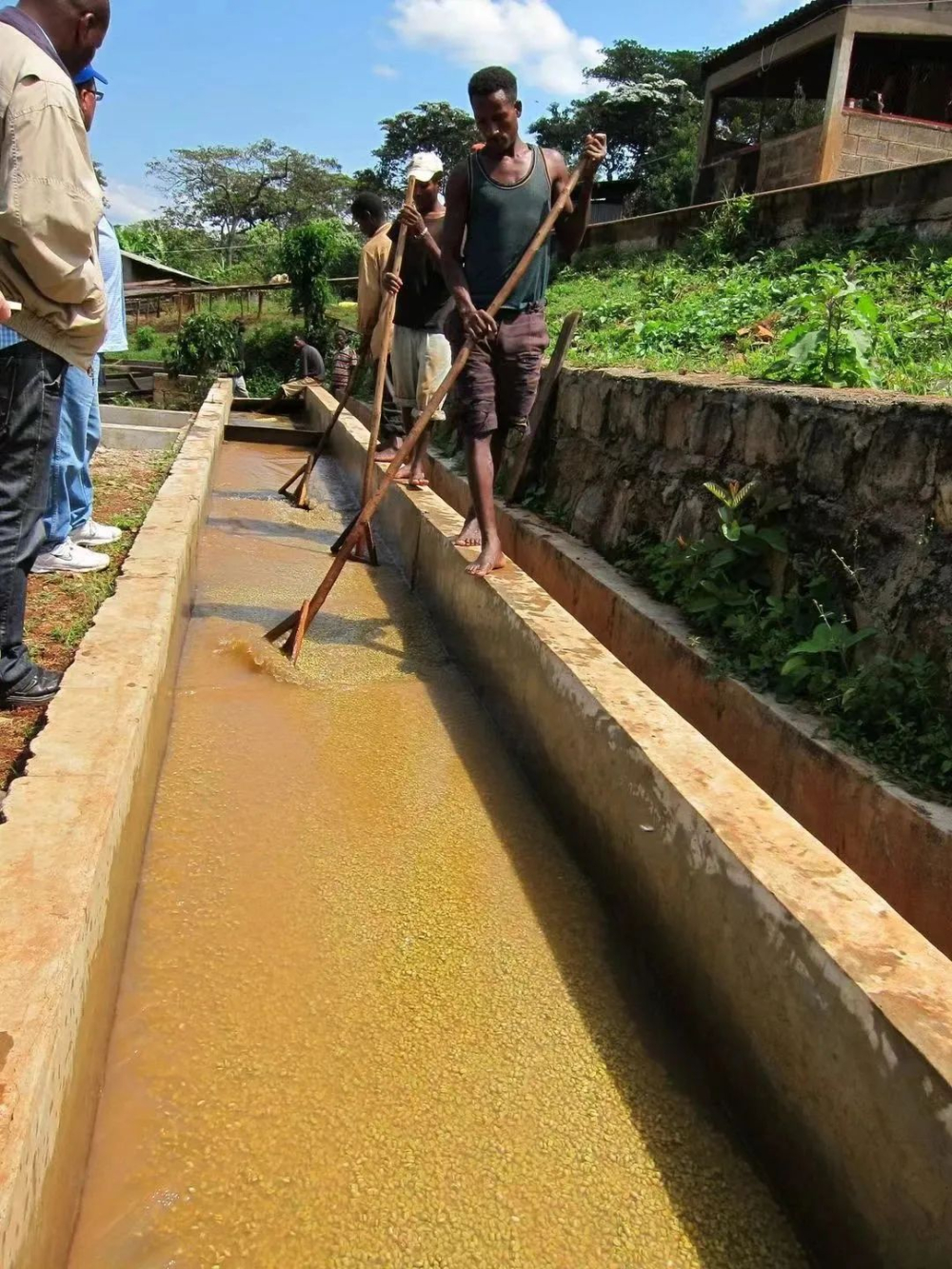
When you begin trying to taste and evaluate on your own, it’s recommended to prepare two sets of pour over equipment with identical grind sizes and extraction parameters—one for sun-dried beans and one for washed. Record each bean’s performance in aroma, acidity, sweetness, body, and aftertaste. Sun-dried beans typically exhibit richer fruitiness, blueberry or berry-like tones, distinct sweetness, and winey notes; whereas washed beans often present a cleaner mouthfeel, bright citrus acidity, and a tea-like mid-palate. Through repeated practical tasting and note-taking, you’ll gradually develop sensitivity to different processing methods.
For actual pour over brewing, it’s recommended to use a medium-light roast grind size (about the size of fine sugar), with water temperature controlled between 90–93°C. Employ a multi-pour extraction method: start with a 30% bloom pour for 30 seconds, then gradually add the remaining hot water. Aim for a total extraction time of around 2 to 2 minutes and 30 seconds. Pay attention to changes in coffee color and flow rate during brewing—these details will help you better understand each bean’s unique characteristics.

Coffee tasting is a skill that requires long-term accumulation. Through continuous tasting, comparison, and recording, you’ll gradually sharpen your sensitivity to processing methods, regional flavors, and roast levels. Whether it’s the intense fruitiness of sun-dried coffee or the clarity of washed acidity, each processing method has its own unique charm waiting to be discovered. Now, start your flavor exploration journey with the coffee beans at hand.
The above content is compiled by CoffeeHunters, a coffee news website.


