








Introduction:Luckin Coffee recently sparked widespread discussion by refusing job applicants with Shanghai household registration, exposing regional bias and cost considerations in the company’s employment strategy. This article delves into the underlying reasons behind this phenomenon, examines practical factors such as social insurance contribution bases and work intensity, and offers advice for job seekers facing similar situations—helping readers understand the hidden barriers in the labor market.
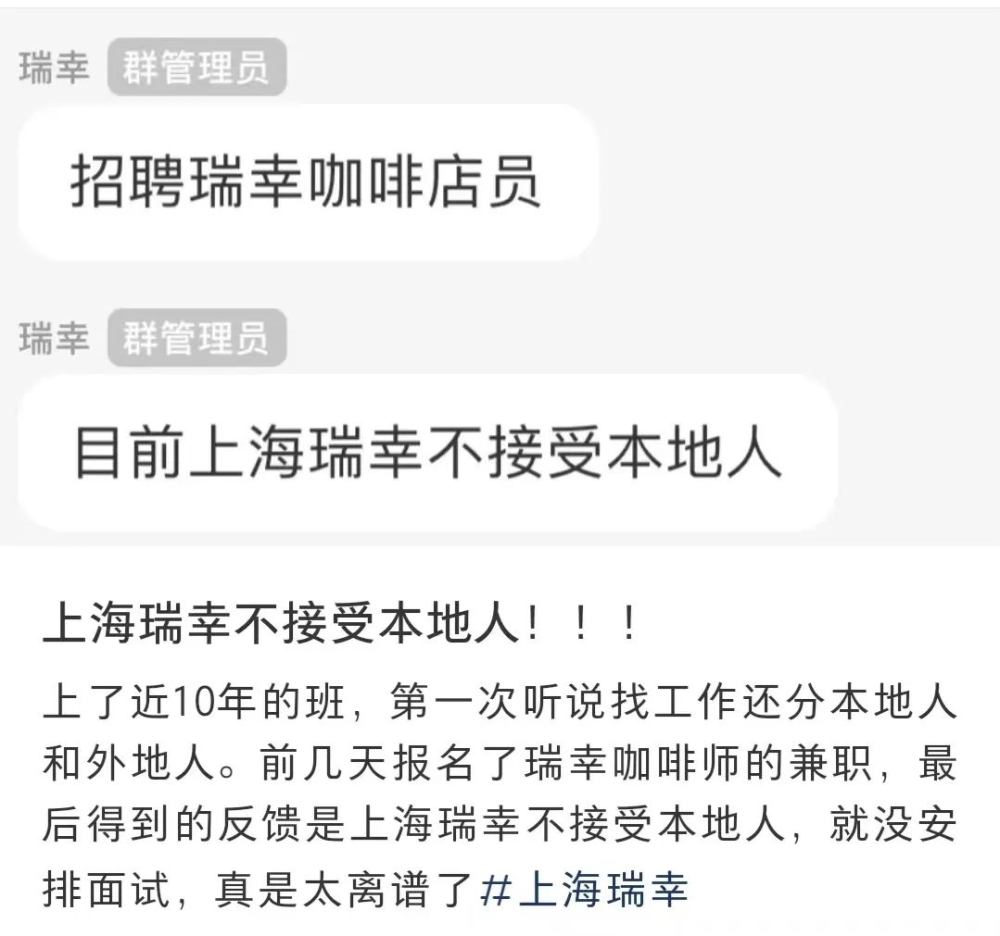
As Luckin expands, it has encountered a labor shortage. Despite frequently posting recruitment notices, reports have emerged that the brand is turning away local Shanghai applicants. One Shanghai netizen who applied for a part-time barista position was directly rejected because their ID number starts with “310,” with the reason given being “Shanghai Luckin does not accept locals at present.” This not only confused the applicant but also ignited heated discussions on social media.
It is understood that since Luckin adjusted its employment system last month, employee turnover at stores has intensified, and many outlets are facing manpower shortages. With graduation season underway, many young people dreaming of “working while enjoying coffee” have submitted their resumes, only to face unexpected rejections. This Shanghai job seeker had hoped to experience working as a barista, but after waiting several days, received a reply stating that no interview would be arranged.
Upon further inquiry, the job seeker learned that the rejection was specifically targeting individuals with Shanghai household registration numbers starting with “310,” including both native residents and long-term settlers. This response surprised her and also raised questions among netizens about the company’s employment policies.
In online discussions, some believe that Shanghai natives are often stereotyped as “bourgeois” or “refined,” leading some employers to think that local job seekers lack the resilience to endure hardship. The role of a Luckin barista is intense, requiring long hours of standing to prepare drinks and potentially handling hundreds of orders a day. Such a work environment may make employers worry that local employees won’t adapt well.
Another key factor is that Shanghai’s social insurance contribution base is among the highest in the nation. Most Shanghai job seekers expect companies to legally contribute to social insurance, which can increase labor costs for employers. Some merchants have pointed out that compared to migrant workers, local applicants usually have more stable living security, and are thus seen as “less able to endure hardship” or “more demanding.”
However, such regional screening is unfair to job seekers. Many Shanghai residents also need stable incomes and possess strong professional ethics. Using household registration as a screening criterion not only overlooks individual abilities but may also violate the principle of equal employment.
Experts suggest that when facing similar situations, job seekers can inquire about the specific reasons for rejection and understand their own rights. At the same time, companies should re-examine their employment policies to avoid missing out on suitable talent due to stereotypes. In a context where labor shortages and employment difficulties coexist, finding a balance is crucial.
This incident also reminds participants in the labor market that regional bias can invisibly hinder talent mobility. For chain brands like Luckin, how to control costs while maintaining a fair employment environment will be an important issue for long-term development.
The above content is compiled by CoffeeHunters, a coffee news website.


